2026 Top Solar Sunroom Features You Need to Know?
As the demand for sustainable living increases, the Solar Sunroom industry continues to innovate. According to a recent report by the Solar Energy Industries Association (SEIA), solar installations grew by 20% in 2022 alone. This trend indicates that homeowners are looking for ways to integrate solar technology into their living spaces. Experts like Dr. Jane Simmons, a renowned solar energy consultant, emphasize, “A well-designed Solar Sunroom not only enhances your home’s aesthetic but also serves as an effective energy-saving solution.”
The 2026 Top Solar Sunroom features offer exciting advancements. Homeowners can now enjoy improved insulation, energy-efficient materials, and smart technology integration. These features not only provide comfort but also demonstrate a commitment to sustainability. However, navigating this rapidly evolving market can be challenging. Many homeowners may feel overwhelmed by the array of options available. This complexity can lead to decisions that don’t fully align with their energy goals.
In conclusion, understanding the latest Solar Sunroom features is crucial for making informed choices. While the industry is advancing, some traditional models may not meet today’s standards. Homeowners need to reflect on their specific needs and lifestyle preferences before making a decision. This careful consideration will help them maximize both comfort and energy efficiency.
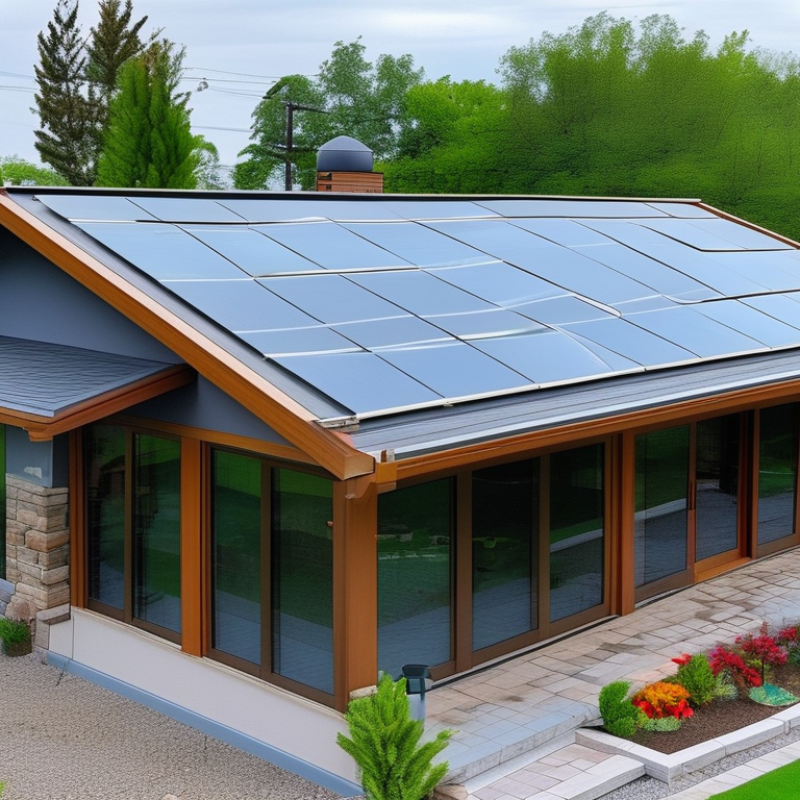
Innovative Materials and Technologies in Solar Sunroom Design
The future of solar sunroom design is driven by innovative materials and technologies. Advanced glazing options, such as low-E coatings, enhance energy efficiency by reflecting heat while allowing natural light. A report from the U.S. Department of Energy highlights that these materials can reduce energy consumption by up to 30%. This is vital for homeowners looking to lower their utility bills.
Additionally, structural integrity is paramount. Engineers now utilize lightweight, durable materials like fiberglass and composite frames. These materials resist weathering and provide better insulation. They can also be molded for unique designs, offering flexibility in aesthetics. Despite these advancements, some consumers struggle with the initial costs, which can be a barrier.
Moreover, smart technology integration is on the rise. Homeowners can control lighting, shading, and temperature through mobile apps. This technology not only improves comfort but also enhances efficiency. Reports indicate that homes with integrated smart systems can achieve energy savings of up to 20%. Yet, the learning curve for using these technologies can be overwhelming for some. This is an aspect that requires careful consideration for potential buyers.
Energy Efficiency Features for Optimal Sunroom Performance
In 2026, energy efficiency remains paramount for sunroom design. Modern sunrooms incorporate advanced insulation materials, significantly improving thermal performance. Reports indicate that well-insulated sunrooms can reduce heating and cooling costs by up to 50%. This reduction is essential for homeowners looking to minimize energy consumption.
One noteworthy feature in energy-efficient sunrooms is low-emissivity (low-E) glass. This type of glass reflects heat while allowing sunlight to enter, enhancing comfort throughout the year. A study by the Department of Energy highlighted that using low-E glass can increase energy savings by up to 30%, providing a compelling return on investment. Moreover, adding passive solar features further optimizes performance, allowing natural light to warm the space.
However, achieving optimal energy efficiency can be challenging. For instance, the orientation and placement of the sunroom greatly influence its performance. A poorly positioned sunroom may not harness sunlight effectively, leading to higher heating costs. Homeowners are encouraged to evaluate their specific site conditions and account for local climate variations in their sunroom designs. It's crucial to balance aesthetics with functionality to ensure long-term satisfaction and energy savings.
2026 Top Solar Sunroom Features You Need to Know
Integration with Smart Home Systems for Enhanced User Experience
Integrating solar sunrooms with smart home systems is changing the way homeowners interact with their living spaces. According to the National Association of Home Builders, about 75% of new homes now incorporate smart technology. This growing trend highlights a demand for efficient energy management and enhanced comfort. Homeowners can control shades, temperature, and lighting through their smartphones or voice assistants, maximizing the benefits of solar energy.
Smart home integration enables users to track solar energy production in real time. By pairing solar panels with smart devices, homeowners can monitor energy consumption patterns. This allows for better energy management. Homeowners can see how much energy their sunroom generates and adjust their usage accordingly. This level of awareness leads to increased savings on utility bills, as reports suggest that smart home devices can save homeowners up to 30% on energy costs.
Consider using automated shades to regulate sunlight. They not only improve temperature control but also protect furniture from UV damage. Additionally, integrating weather sensors can adjust the sunroom's environment based on real-time data. While the integration process may seem complex, many platforms offer intuitive setups. Homeowners should carefully evaluate their needs and available technologies to create a truly personalized smart sunroom experience.
Aesthetic Trends in Solar Sunroom Architecture for 2026
As we approach 2026, solar sunrooms are evolving in both function and design. Homeowners increasingly appreciate natural light and sustainable living. Integrating large glass panels allows for stunning vistas and energy efficiency. However, one must consider the balance between transparency and privacy. Glass treatments can offer both aesthetic appeal and protection from the outside world.
Another emerging trend is the use of biophilic design. This approach connects indoor spaces with nature. Living walls and indoor plants enhance the sunroom environment. They boost air quality and add pleasant colors. However, maintaining these aspects can be challenging. Homeowners need to think about proper care and the right plants for sunlight exposure.
Color palettes are also shifting toward earthy tones. Shades of green, brown, and warm grays create a calming atmosphere. These colors resonate with the desire for sustainability and comfort. Yet, overusing these tones can lead to a monotone effect. Mixing in vibrant accents is essential for visual interest. Thoughtful design in 2026 will blend natural elements with personal style.
Environmental Benefits of Modern Solar Sunrooms in Sustainable Living
Modern solar sunrooms offer significant environmental benefits. They harness sunlight, reducing reliance on traditional energy sources. By generating clean energy, they lower carbon footprints and enhance energy efficiency in homes. The integration of energy-efficient windows helps retain heat, making these spaces cozy year-round. Homeowners can enjoy natural light while minimizing their environmental impact.
When considering a solar sunroom, think about orientation. South-facing sunrooms capture more sunlight throughout the day. Strategic placement of plants around the sunroom can enhance air quality. This natural approach cultivates a healthier living environment.
Another aspect is thermal dynamics. Proper insulation plays a vital role in maintaining temperature. An improperly insulated sunroom might not yield energy savings. Regular maintenance and assessments are necessary to ensure optimal performance. Emphasizing these factors contributes to achieving sustainability goals in your living space.