Is Aerogel Insulation the Best Choice for Home Energy Savings?
As energy costs continue to soar, homeowners are increasingly seeking effective insulation solutions. Among the various options available, Aerogel Insulation for homes has gained significant attention. Known for its impressive thermal properties, aerogel offers a lightweight yet highly efficient barrier against heat loss.
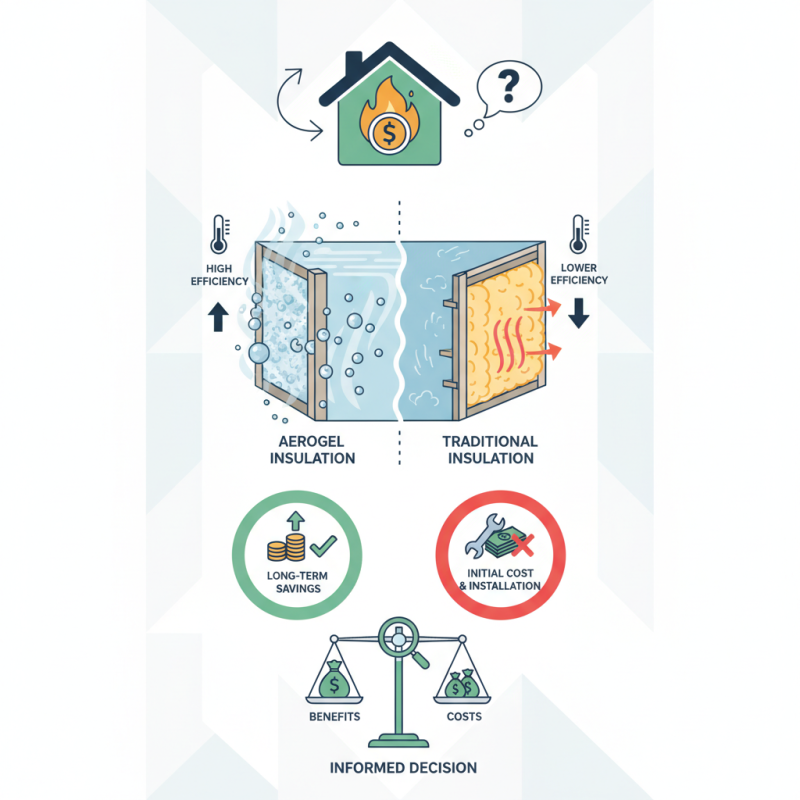
Aerogel is among the best insulating materials on the market today. Its unique structure allows it to trap air, reducing thermal conduction significantly. In fact, this material can outperform traditional insulations by a large margin. However, some question its practicality and cost-effectiveness for residential use.
While aerogel insulation may provide exceptional energy savings, challenges persist. The initial installation costs can be high, which raises concerns for budget-conscious homeowners. Additionally, the material's delicate nature may complicate installation processes. Thus, evaluating the long-term benefits versus initial expenses is essential for making informed decisions.
What is Aerogel and How Does it Function as Insulation?
Aerogel is a remarkable material known for its unique insulating properties. It is often called "frozen smoke" due to its lightweight and translucent appearance. Composed primarily of air, aerogel has a structure that traps air molecules, which makes it an excellent thermal insulator. Research shows that aerogel can achieve thermal resistance values up to R-10 per inch, significantly outperforming traditional insulation materials.
In practical terms, aerogel's low thermal conductivity can translate to substantial energy savings. A study by the U.S. Department of Energy indicates that homes using aerogel insulation may reduce energy costs by up to 30% annually. This efficiency stems from aerogel's ability to maintain stable indoor temperatures, thereby minimizing heating and cooling requirements. However, aerogel's production can be costly. Its price is still higher than conventional materials, which raises questions about its accessibility for average homeowners.
While aerogel excels in many areas, its performance can vary based on installation methods and environmental conditions. Improper placement can lead to gaps that diminish its insulating effectiveness. Additionally, its brittle nature raises concerns in specific applications. Therefore, while aerogel presents a promising option for energy savings, careful consideration of its advantages and limitations is essential for making an informed choice.
Comparison of Aerogel Insulation to Traditional Insulation Materials
Aerogel insulation is gaining attention as a modern solution for energy efficiency in homes. Unlike traditional insulation materials, which can be bulky and less effective, aerogel offers remarkable thermal performance. This advanced material is significantly lighter and thinner, yet provides exceptional insulation properties. Homeowners find it appealing because of its potential to reduce energy costs.
When comparing aerogel to traditional options like fiberglass or foam, there are notable differences. Aerogel can achieve higher insulation values in a smaller space. This means homeowners can use less material while still ensuring energy efficiency. However, it can be more expensive upfront. Budget-conscious consumers often weigh immediate costs against long-term savings.
Aerogel is also more resistant to moisture. Traditional insulation can absorb water, leading to mold and reduced performance. However, aerogel is not perfect. Installation can be tricky, requiring skilled labor for best results. Some users may find it overwhelming to choose the right product. Ultimately, while aerogel stands out in many aspects, its practicality depends on individual needs and budget considerations.
Is Aerogel Insulation the Best Choice for Home Energy Savings?
| Insulation Type | Thermal Conductivity (W/m·K) | R-Value per Inch | Cost per Square Foot ($) | Lifespan (years) | Environmental Impact |
| Aerogel | 0.013 | 10.3 | 3.00 | 50+ | Low |
| Fiberglass | 0.040 | 2.9 | 0.50 | 30 | Moderate |
| Foam Board | 0.030 | 5.0 | 1.00 | 40 | Moderate |
| Spray Foam | 0.020 | 6.5 | 2.50 | 30 | High |
Benefits of Using Aerogel for Home Energy Efficiency
Aerogel insulation presents significant benefits for enhancing home energy efficiency. With an impressive R-value ranging from 10 to 30, it outshines traditional materials. According to the U.S. Department of Energy, homes insulated with aerogel can reduce energy costs by 20-30%. This advanced material excels in thermal performance while remaining lightweight, making installation easier and cost-effective long-term.
Using aerogel can lead to a reduced carbon footprint. Its superior insulating properties minimize heat loss in winter and keep cool air inside during summer. This contributes to a stable indoor climate, enhancing comfort. Studies show that homes utilizing aerogel may see over 50% fewer energy peaks, leading to savings and sustainability.
**Tips:** Consider aerogel for retrofitting older homes. It occupies less space while providing effective insulation. Ensure proper installation for achieving maximum efficiency. Evaluate potential upgrade paths, as aerogel's initial cost may be higher, but savings over time can justify the investment. Never overlook the importance of ventilation alongside insulation for optimal performance.
Energy Savings Comparison of Different Insulation Materials
This chart compares the R-value per inch of various insulation materials, highlighting Aerogel as the most effective insulation option for improving home energy efficiency. A higher R-value indicates better insulation performance, leading to greater energy savings.
Cost Analysis of Aerogel Insulation Installation and Maintenance
When considering insulation for energy savings, aerogel stands out. This material offers exceptional thermal performance. Industry reports indicate that aerogel insulation can reduce energy costs by up to 30%. Despite its benefits, the cost of installation can be significant. Estimates suggest that installing aerogel insulation averages around $3 to $5 per square foot, which is higher than traditional materials.
Maintenance of aerogel is relatively low. Its durability ensures that it lasts for many years without the need for replacement. Nevertheless, homeowners must consider initial costs. A 2019 study found that while the payback period for aerogel can be longer, the overall energy savings often justify the investment.
Tip: Consider energy audits. These assessments can help determine the right insulation for your home. Knowing your energy needs is crucial.
Tip: Compare insulation options. While aerogel is effective, traditional materials might fit your budget better. Weigh the cost against potential savings.
A small price to pay for comfort and energy efficiency, yet reflection on personal budget constraints is necessary. Each home’s needs are unique, and aerogel may not be the best fit for everyone.
Long-Term Performance and Environmental Impact of Aerogel Insulation
Aerogel insulation is gaining attention for home energy savings. Its unique structure makes it one of the lightest solid materials on Earth. This material traps air in its tiny pores. It can provide superior thermal resistance. Homes with aerogel insulation often see reduced energy consumption.
Long-term performance is a critical factor. Aerogel does not absorb water, which helps maintain its effectiveness. However, its durability can vary based on installation. Improper fitting may lead to thermal bridging, reducing its benefits. Homeowners should ensure professional installation to maximize efficiency.
The environmental impact is also worth considering. Aerogel production requires energy, which can lead to a larger initial carbon footprint. Recycling options are limited, raising concerns about sustainability. Future developments may address these issues. Overall, the decision to use aerogel should involve careful consideration of these factors.