
What Is an Automatic Zipper Machine and How Does It Work?
An automatic zipper machine is a specialized production system that turns separate zipper components into a consistent, usable fastening product. It may feed zipper tape, position teeth, attach sliders, cut finished lengths, and inspect alignment. The exact process depends on the zipper type, material, and machine design.
Picture a roll of tape moving through guided rollers. Small teeth pass beneath sensors. A misaligned section can trigger an adjustment or stop the line. The machine works quickly. It does not think like a human technician. Its performance depends on careful calibration, clean feeding paths, stable air pressure, and regular maintenance.
Tadao Yoshida, the founder of YKK and a major zipper industry pioneer, expressed a useful manufacturing principle: “No one prospers unless he renders benefit to others.” That idea applies to modern zipper machinery. Reliable automation should improve product quality, worker safety, and production efficiency together. Speed alone is not enough.
This article explains what an automatic zipper machine is, how its main mechanisms work, and where operators must pay attention. It also examines feeding systems, tooth alignment, slider installation, sensors, and quality checks. A machine can produce thousands of pieces. One small setup error may repeat thousands of times. That is the uncomfortable part.
Automation is powerful. It is not perfect.
Understanding that limitation helps manufacturers choose suitable equipment, reduce material waste, and build a more dependable production process.
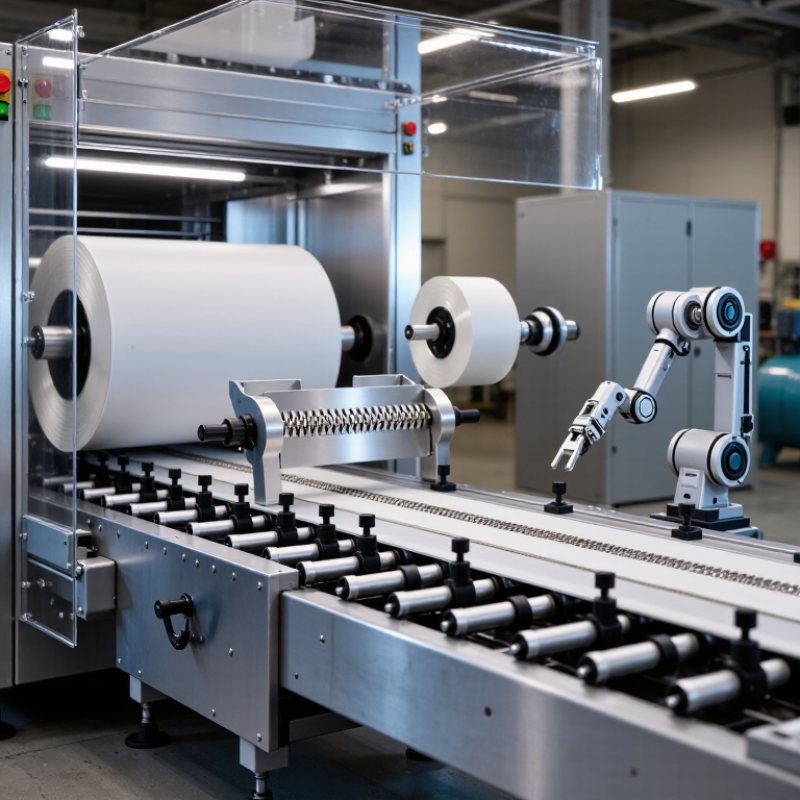
What Is an Automatic Zipper Machine?
An automatic zipper machine is industrial equipment that assembles zipper components with limited manual handling. It usually feeds two fabric tapes, aligns the teeth, inserts the slider, and cuts each zipper to a preset length. Some systems also add stops and inspect tooth spacing through sensors. The process resembles a carefully timed relay. Every station must transfer the material smoothly.
In practical production, the machine begins with tension control. Rollers keep the tapes flat and prevent twisting. A servo-driven unit then joins the teeth or molded elements. The slider is mounted afterward, often through a guided channel. Optical sensors check position, missing teeth, and abnormal gaps. According to Grand View Research’s 2024 zipper market analysis, the global zipper market was valued at approximately 14.9 billion U.S. dollars in 2023. That scale helps explain the demand for faster and more consistent assembly equipment.
Speed is only one measure. The machine must also protect fabric edges and maintain stable dimensions. The Fortune Business Insights Zipper Market report estimated a market value of about 14.8 billion U.S. dollars in 2023, with continued growth expected through 2032. These figures indicate expanding production needs, but they do not guarantee better quality. Automation is not flawless. A poorly adjusted guide can repeat the same defect thousands of times. Operators still need experience, calibration records, and regular sample checks. That human judgment remains essential.
What Are the Main Components of the Machine?
An automatic zipper machine combines several coordinated systems rather than one single mechanism. The feeding unit guides zipper tape, teeth, and sliders into position. A servo motor controls movement with steady speed and measured force. The assembly or sewing head then joins the zipper parts to fabric or prepares them for later processing. Depending on the machine design, cutting blades, pressing tools, and heating elements may also be included.
Sensors monitor tape position, material length, and possible blockages. A control panel stores speed, length, and tension settings. The tension system is especially important because loose tape can create waves, while excessive tension may damage fabric. During operation, the controller receives sensor signals and adjusts the motor or stops the machine when alignment changes. In factory testing, a small shift of only a few millimeters can affect the final zipper. No machine is perfectly self-correcting.
Tips: Clean the feeding path every day. Check sensor lenses for dust. Test tension with the actual fabric type, not only scrap tape. Listen for uneven motor sounds. They often reveal wear before visible defects appear. Operators should record recurring alignment errors, although this step is sometimes skipped during busy production. A short inspection can prevent repeated rejects and unnecessary adjustments.
What Is an Automatic Zipper Machine and How Does It Work? - What Are the Main Components of the Machine?
| Component or Data Dimension | Primary Function | How It Works in the Machine | Typical Materials or Features | Effect on Production |
|---|---|---|---|---|
| Material Feeding System | Supplies zipper tape, chain, or finished zipper sections to the processing area. | Rollers, guides, and tension devices move the material at a controlled speed and keep it aligned. | Guide rollers, feed wheels, tension controls, and adjustable feed paths. | Stable feeding helps reduce wrinkles, skewing, material waste, and interruptions. |
| Unwinding Unit | Holds and releases rolls of zipper tape or chain. | A powered or controlled reel rotates as material is pulled into the machine. Tension control prevents sudden unwinding. | Reel shaft, brake or servo control, roll supports, and edge guides. | Consistent unwinding supports uniform length and reliable machine timing. |
| Alignment and Centering Guides | Keeps the zipper tape, teeth, or coil centered before processing. | Adjustable guides position the material along the programmed travel path. | Low-friction guide plates, rollers, sensors, and lateral adjustment mechanisms. | Accurate alignment improves the position of cutting, sealing, slider insertion, and sewing operations. |
| Length Measurement System | Measures the required zipper length or feed distance. | An encoder, measuring wheel, or servo feedback system tracks material movement and sends data to the controller. | Measuring wheel, rotary encoder, proximity sensor, or servo feedback. | Precise measurement supports repeatable product dimensions and reduces overfeeding. |
| Cutting Unit | Cuts continuous zipper material into specified lengths. | A blade, die, or heated cutting tool operates after the controller confirms the programmed length. | Mechanical blades for tape and chain; heated tools may be used for some synthetic materials. | Clean, repeatable cuts improve output consistency and minimize frayed or uneven ends. |
| End Stop or Top-Stop Unit | Creates or positions stops at the end of a zipper. | The machine places, crimps, molds, or heat-sets a stop according to the zipper construction and production method. | Metal stop applicators, forming tools, molds, or thermal elements. | Correct stop placement helps prevent slider separation during normal use. |
| Slider Insertion Mechanism | Installs the slider onto the zipper chain. | Guides separate or joined zipper elements into the slider and advances the slider to the programmed position. | Insertion guides, positioning jaws, pneumatic actuators, and changeable tooling. | Automated insertion improves assembly speed and reduces variation caused by manual placement. |
| Clamping and Positioning System | Holds the zipper securely during cutting, stopping, insertion, or inspection. | Pneumatic, electric, or mechanical clamps grip the material while the operation is performed. | Clamping jaws, fixtures, stops, and adjustable holders. | Firm positioning prevents movement-related defects and improves repeatability. |
| Drive System | Provides movement for rollers, cutters, feeders, and other operating parts. | Servo motors, stepper motors, or other electric drives receive commands from the control system. | Motor, gearbox, coupling, drive controller, and motion feedback devices. | Accurate motion control affects production speed, synchronization, and product quality. |
| Pneumatic System | Operates cylinders, clamps, cutters, and positioning mechanisms where compressed air is used. | Valves direct compressed air to actuators in a programmed sequence. | Air preparation unit, valves, cylinders, tubing, pressure regulator, and exhaust controls. | Reliable air pressure supports fast and repeatable mechanical actions. |
| Control System | Coordinates the machine sequence and stores operating parameters. | A programmable controller receives sensor signals and commands motors, valves, cutters, and alarms. | PLC or industrial controller, input/output modules, and motion-control software. | Centralized control enables repeatable recipes, automatic sequencing, and fault monitoring. |
| Human-Machine Interface | Allows an operator to set parameters and monitor machine status. | An industrial display provides access to length settings, speed, counters, alarms, and operating modes. | Touchscreen or control panel with password-protected settings where required. | Clear controls shorten setup time and make troubleshooting more efficient. |
| Detection and Inspection Sensors | Detects material presence, position, length, faults, and operating conditions. | Optical, proximity, pressure, or encoder signals are compared with programmed conditions. | Photoelectric sensors, proximity switches, limit switches, and vision systems when installed. | Automatic detection can reduce missed cuts, empty cycles, misalignment, and defective output. |
| Conveyor or Collection System | Transfers completed zipper pieces to a collection area or the next process. | Finished pieces are discharged by conveyor, chute, stacker, or guided collection tray. | Belts, trays, bins, stackers, and adjustable discharge guides. | Organized collection helps maintain continuous operation and simplifies counting and packing. |
| Safety System | Protects operators from moving parts, cutting tools, and unexpected machine operation. | Guards, interlocks, emergency stops, and safety circuits stop or inhibit hazardous motion. | Safety doors, emergency-stop buttons, protective covers, and safety relays. | Proper safety controls support safer operation and reduce the risk of injury or equipment damage. |
| Lubrication and Maintenance Points | Reduces wear and maintains smooth operation of mechanical parts. | Specified bearings, chains, guides, and moving assemblies receive periodic lubrication or inspection. | Lubrication ports, grease points, service panels, and replaceable wear parts. | Regular maintenance helps preserve accuracy, reduce downtime, and extend component life. |
Note: The exact configuration of an automatic zipper machine varies according to zipper type, material, processing steps, required length range, and production volume.
How Does the Automatic Zipper-Making Process Work?
An automatic zipper machine turns separate materials into a finished zipper through coordinated feeding, forming, joining, and inspection. The exact setup depends on the zipper type, such as metal, molded plastic, or coil. Each material needs different pressure, temperature, and timing.
The process starts when fabric tapes enter the machine through guided rollers. Sensors keep both tapes aligned and control their tension. A forming unit then creates teeth from metal wire, plastic, or synthetic filament. For coil zippers, the machine winds and fixes a continuous spiral onto the tape. For molded zippers, heated plastic enters small molds and cools into matching teeth. Metal versions require precise shaping and firm attachment. Small errors matter.
A joining section brings the two sides together. The slider may be installed automatically, depending on the production line. Cutting units create the required length, while top and bottom stops prevent the slider from leaving the chain. Cameras or mechanical gauges check tooth spacing, tape position, and opening force. Operators still inspect samples by hand. They pull the slider repeatedly and examine the seams under bright light. Automation improves consistency, but it is not flawless. Dust, uneven tension, or a worn forming tool can cause skipped teeth. A careful technician must adjust settings and record these defects instead of trusting every sensor. Even a fast machine needs human judgment.
What Types of Zippers Can It Produce?
An automatic zipper machine forms, joins, and checks zipper components with limited manual handling. Its rollers guide fabric tape through heating, molding, or metal-forming stations. Sensors monitor spacing, alignment, and chain movement. The machine can then cut continuous zipper lengths or prepare finished pieces. Production speed is useful, but accurate setup matters more than speed alone.
Different machines produce different zipper types. Coil zipper machines wind nylon or polyester filament into flexible teeth. These zippers suit bags, sportswear, and lightweight garments. Plastic molded zipper machines create individual teeth from engineered plastic. They provide a firm, modern appearance and resist moisture reasonably well. Metal zipper machines shape teeth from materials such as aluminum or brass. They are common in denim, workwear, and heavy bags. Some systems also make invisible zippers, where the teeth remain hidden beneath the fabric seam. Open-end and closed-end designs require different cutting and assembly settings.
Tips: Check tooth size, tape width, and slider compatibility before production. Adjust heat carefully for coil materials. Excessive heat may distort the teeth. Inspect several pieces from the middle of the batch, not only the first one. This catches drift that early samples can miss. In practice, no machine handles every zipper equally well. Operators still need experience, especially when materials change. I have found that small alignment errors can create repeated failures. That detail is easy to underestimate. Regular cleaning, calibration, and pull testing improve reliability. Still, testing should match the garment or product’s real use.
What Is an Automatic Zipper Machine and How Does It Work?
What Types of Zippers Can It Produce?
Automatic zipper machines can align zipper tape, form or attach teeth, join the two sides, insert sliders, and cut finished lengths with consistent speed and positioning. The chart shows commonly used nominal zipper size codes by zipper type. A zipper size number generally refers to the approximate chain width in millimeters when the zipper is closed.
Common industry size examples: coil zippers are widely produced in #3, #5, and #8; molded-plastic and metal zippers commonly include #3, #5, #8, and #10; invisible zippers are most commonly produced in #3. Actual machine capability depends on the tooling, tape construction, and product specification.
What Are Its Industrial Applications and Benefits?
An automatic zipper machine feeds, aligns, closes, and checks zippers with limited manual handling. Its sensors detect tape position, while rollers maintain steady tension during production. In garment factories, it supports jackets, trousers, bags, tents, and protective covers. It can process repeated zipper patterns faster than hand sewing. The result is more consistent spacing and fewer alignment errors. Still, it is not magic. Material differences can affect performance.
Industrial users value its speed, stable output, and reduced labor pressure. A well-adjusted machine can produce clean seams across long production runs. It also helps reduce repetitive hand movements, which may improve operator comfort. Quality teams can inspect teeth engagement, stitch strength, and zipper movement during sampling. In busy workshops, this supports predictable delivery schedules. However, poorly set tension may damage delicate fabric or cause uneven seams. Real production results depend on maintenance, training, and material quality.
Tips: Match the machine settings to the zipper and fabric before full production. Run a small test batch first. Check needle condition, feed alignment, and thread tension regularly. Keep the working area clean, because lint can affect sensors and moving parts. Record defects by type, not only by quantity. This makes adjustments more useful. One practical lesson is easy to overlook: saving time means little if rework increases. Review samples during the shift, not only at the end.
