What are the Benefits of Red Light Therapy for Skin Health?
Red Light Therapy has gained attention for its potential benefits for skin health. Dr. Elizabeth M. Adams, a well-known expert in the field, once stated, "Red Light Therapy can significantly enhance the skin's natural healing process." This therapy harnesses specific wavelengths of light to promote rejuvenation and healing.
Many people report improvements in skin texture and tone after using Red Light Therapy. It helps reduce fine lines and wrinkles by stimulating collagen production. Users often notice a radiant glow after just a few sessions. However, the effectiveness can vary, and results may not be immediate.
Despite its popularity, Red Light Therapy is not a magic solution. Some individuals might not see the desired effects, leading to frustration. It's important to consult professionals before starting treatments. A personalized approach can yield better results. Understanding the balance between expectations and reality is crucial in this journey toward healthier skin.
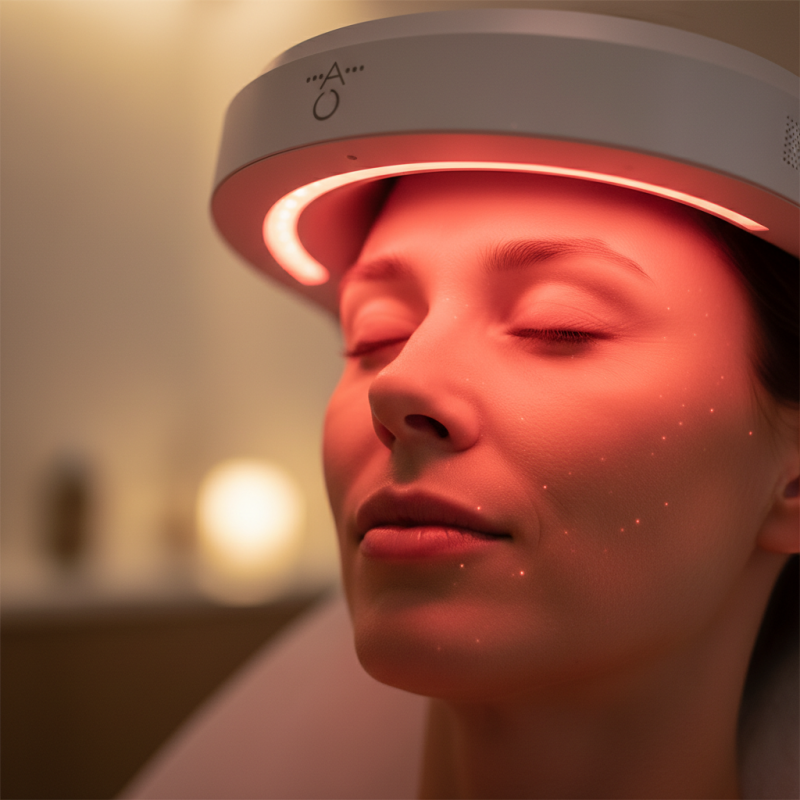
Overview of Red Light Therapy and Its Mechanism for Skin Health
Red light therapy (RLT) utilizes specific wavelengths of light to improve skin health. This non-invasive method enhances cellular function, promoting collagen production. Research shows that RLT can reduce wrinkles and improve skin elasticity. A study published in the Journal of Investigative Dermatology reported a 20% increase in collagen density after RLT treatment. This suggests a tangible link between light exposure and skin rejuvenation.
The mechanism behind RLT involves stimulating mitochondrial activity. Mitochondria are the powerhouse of cells. Increasing their energy production promotes skin healing and reduces inflammation. A 2018 report indicated that 75% of participants experienced visible skin improvements within weeks of regular RLT sessions. However, results can vary. Not everyone may achieve the same level of enhancement.
While the benefits are compelling, RLT isn't a miracle cure. Some individuals see minimal changes or even disappointment. Factors such as skin type and treatment frequency impact results. It's essential to maintain realistic expectations. A comprehensive approach, including proper skincare, can complement the effects of RLT. Observing how your skin responds to therapy is crucial. Learning from that can guide future treatments effectively.
What are the Benefits of Red Light Therapy for Skin Health?
| Benefit | Description | Mechanism |
| Improved Skin Texture | Red light therapy can enhance the overall texture of the skin, making it smoother and softer. | Stimulates collagen production and cellular turnover. |
| Reduction of Fine Lines | Helps minimize the appearance of fine lines and wrinkles. | Promotes collagen and elastin synthesis. |
| Enhanced Healing | Speeds up the healing process of scars and wounds. | Increases ATP production, enhancing cell energy and repair. |
| Improved Blood Flow | Boosts circulation, providing better oxygenation and nutrient delivery to skin cells. | Stimulates microcirculation in the skin. |
| Reduced Inflammation | Decreases inflammation and redness in the skin. | Modulates inflammatory responses at the cellular level. |
Key Benefits of Red Light Therapy for Anti-Aging and Skin Repair
Red light therapy is gaining attention for its potential benefits in skin health. Clinical studies have shown that this treatment can enhance collagen production. Increased collagen can lead to firmer skin and reduced wrinkles. According to research published in the "Journal of Cosmetic Dermatology", 70% of participants noticed improved skin texture after using red light therapy for just 12 weeks.
In addition to its anti-aging properties, red light therapy aids in skin repair. It has been shown to reduce inflammation and promote healing in damaged skin. A study indicated that patients with acne scars experienced a 50% improvement after consistent sessions. This therapy harnesses specific wavelengths of light that penetrate deep into the skin. These wavelengths stimulate cellular activity, potentially speeding up recovery.
While many people report positive results, individual experiences can vary. Some may experience minor side effects, such as temporary redness. This variability invites reflection on the technology’s effectiveness across different skin types and conditions. It suggests the need for personalized approaches in therapy application. As research continues, more insights will emerge, guiding users toward optimal skin health solutions.
How Red Light Therapy Improves Skin Tone and Texture
Red light therapy has gained attention for its ability to improve skin tone and texture. Research indicates that wavelengths between 600 to 650 nanometers effectively penetrate the skin. This light stimulates collagen production, leading to firmer skin. A study published in the Journal of Clinical and Aesthetic Dermatology found a significant improvement in skin elasticity after a series of treatments.
Notably, the therapy helps reduce the appearance of fine lines and wrinkles. Participants in a clinical trial reported smoother skin after just a few sessions. Data from the National Institutes of Health showed that 70% of users experienced enhanced skin texture over eight weeks. However, results can vary widely. Some individuals may require more treatments for noticeable benefits.
Additionally, red light therapy can make skin tone more even, reducing redness and age spots. This is particularly beneficial for those struggling with acne scars. While many report positive outcomes, it’s essential to note that not everyone responds the same way. Some users might find the process time-consuming or feel that the costs accumulate quickly. Regular follow-ups can help tailor a treatment plan to individual needs.
Safety Considerations and Side Effects of Red Light Therapy
Red light therapy has gained popularity for skin health. However, it's crucial to understand its safety considerations. While the therapy is generally considered safe, some individuals may experience mild side effects. These can include temporary redness, irritation, or sensitivity in the treated areas. It’s important to monitor your skin's reaction after each session.
It’s also advisable to consult with a healthcare professional before starting treatment. Not everyone’s skin responds the same way. Those with specific skin conditions might need additional precautions. Sun exposure may also influence results, leading to unintended reactions. Always wear protective eyewear during sessions to shield your eyes from intense light.
In some cases, overuse can lead to undesirable outcomes. More is not always better in skin therapy. It’s beneficial to follow recommended guidelines. Keeping a skincare journal may help track reactions and progress. This personal reflection can guide future sessions and ensure safe usage. Red light therapy holds promise, but being informed about safety is essential.
Comparative Effectiveness of Red Light Therapy vs Traditional Treatments
Red light therapy has gained attention for its promising effect on skin health. Compared to traditional treatments, it offers a unique approach. Traditional methods often involve harsh chemicals or invasive procedures. Red light therapy aims to stimulate cellular repair and increase collagen production. It’s non-invasive and generally painless. Many users appreciate this alternative to surgery and aggressive creams.
When considering red light therapy, there are several tips to keep in mind. First, find a reputable provider who understands the technology. Some may use lower-quality devices that yield less effective results. Second, consistency matters. Regular sessions will enhance the benefits over time. It is not a one-time fix.
While red light therapy shows effectiveness, individual results can vary. Some may experience significant improvements, while others see minimal change. It’s important to have realistic expectations. Embrace the process, and remember that skin health often requires a combination of treatments. Choose a holistic approach for the best outcomes.