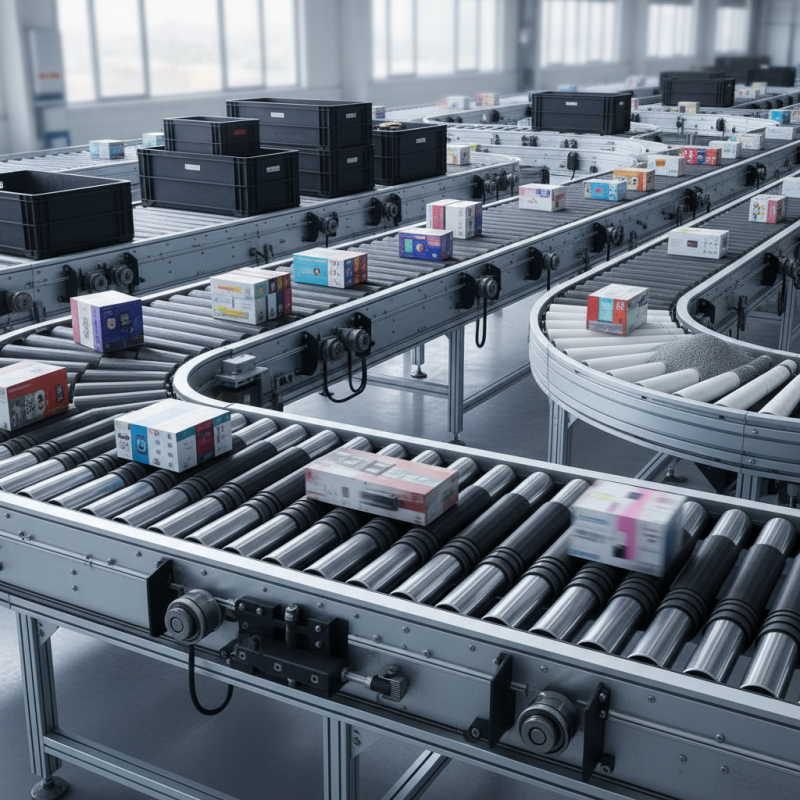
The Best Conveyor Belt Rollers for Smooth Operations?
In the world of material handling, conveyor belt rollers are crucial. They ensure efficiency and reliability in various industries. The right rollers can minimize friction and wear, optimizing movement.
Selecting suitable conveyor belt rollers is not always straightforward. Each environment demands specific characteristics. For instance, some rollers excel in heavy-duty settings while others are better for light loads. This complexity can lead to confusion.
Investing in quality rollers can increase productivity. However, companies often overlook this vital component. Ignoring the importance of conveyor belt rollers may result in costly downtime. Choosing wisely can make all the difference in smooth operations.
Types of Conveyor Belt Rollers and Their Specific Uses
Conveyor belt rollers are essential for effective material handling. They come in various types, each serving specific purposes. A key type is the idler roller. These rollers support the conveyor belt and help reduce friction. They ensure smooth movement of materials. Without them, the belt may sag, causing inefficiencies.
Another important type is the drive roller. This roller is responsible for moving the conveyor belt. It provides the necessary traction. If a drive roller malfunctions, it can halt operations. This can lead to significant downtime. Proper maintenance is critical for these rollers.
Moreover, there are return rollers. These rollers help keep the belt aligned during its return journey. Misalignment can cause wear and tear on the belt. Observing the condition of these rollers is vital. Over time, they may degrade, impacting overall performance. It’s essential to periodically assess their functionality. This will maintain the efficiency of the entire conveyor system.
Key Features to Consider When Choosing Conveyor Belt Rollers
When selecting conveyor belt rollers, various key features must be considered. Material is crucial; steel or plastic rollers exhibit different strengths. A study indicates that steel rollers have a load capacity up to 50% higher than plastic variants. This can greatly impact your operations, especially in heavy-duty environments.
Roller diameter also plays a significant role in performance. Larger diameters reduce friction and wear, affecting overall efficiency. Reports suggest that increasing roller size by just a few inches can enhance speed and reduce maintenance requirements by 20%. It’s essential to assess your operational needs and adjust accordingly.
Another important feature is bearing type. High-quality bearings ensure smoother movement and help reduce energy consumption. Some data indicates that proper bearing alignment can lead to energy savings of 10-15%. However, many companies overlook this detail. They face frequent breakdowns and unexpected costs. This highlights the need for thorough evaluation during selection. Ultimately, a careful analysis of these factors can lead to more efficient and cost-effective conveyor systems.
Benefits of Using Quality Conveyor Belt Rollers for Operations
Quality conveyor belt rollers are essential for smooth operations in various industries. They minimize friction and wear, which can lead to lower maintenance costs. According to industry reports, companies can reduce operational downtime by 20% when they invest in quality rollers. This enhancement not only improves productivity but also extends the lifespan of the conveyor system itself.
Tip: Regularly inspect your conveyor system. Look for any signs of wear and tear on rollers. Addressing these issues early can prevent costly repairs and improve efficiency. Additionally, using correctly sized rollers can significantly reduce belt misalignment and slippage, which are common problems that can disrupt operations.
The right conveyor belt rollers can make a significant difference. However, many companies still overlook their importance. Some facilities use outdated or inferior rollers. This choice can result in increased friction and energy consumption. Therefore, understanding the benefits of high-quality rollers is crucial. Regular training for maintenance staff can help in recognizing these pivotal components in the system.
The Best Conveyor Belt Rollers for Smooth Operations
| Roller Type | Material | Load Capacity (lbs) | Application | Benefits |
| Standard Roller | Steel | 400 | General Material Handling | Durability, High Load Support |
| Heavy-Duty Roller | Stainless Steel | 800 | Construction, Mining | Corrosion Resistance, Long Lifespan |
| Plastic Roller | Polyethylene | 300 | Food Industry | Non-Corrosive, Easy Cleaning |
| Impact Roller | Rubber Cover | 500 | Bulk Material Handling | Shock Absorption, Noise Reduction |
| Guide Roller | Aluminum | 200 | Belt Tracking | Improved Performance, Reduced Wear |
Maintenance Tips for Ensuring Longevity of Conveyor Belt Rollers
Maintaining conveyor belt rollers is essential for smooth operations. These components are not invincible. Regular care can extend their lifespan significantly. According to industry reports, proper maintenance can increase roller longevity by 30%.
Routine inspections are critical. Look for signs of wear and tear. Check for any misalignment that can cause friction. An unnoticed issue can lead to bigger problems. It is recommended to clean the rollers regularly to prevent the buildup of debris. This buildup can cause jams and disrupt the whole system. Simple cleaning can save time and money in the long run.
Lubrication also plays a vital role. Use the correct type of lubricant to avoid degradation. Reports indicate that improper lubrication can reduce roller life by 20%. Keep a log of maintenance activities. This habit helps identify patterns over time. Each roller has its own needs, and regular observation can uncover some surprising issues. Neglect can lead to unexpected downtime.
Top Brands of Conveyor Belt Rollers and Their Advantages
When it comes to conveyor belt rollers, several brands stand out for their quality and performance. These rollers play a crucial role in ensuring smooth operations. A well-designed roller reduces friction, enhances the belt's lifespan, and improves overall efficiency. Each brand offers unique features worth considering.
Some brands focus on durability. They use high-quality materials that resist wear and tears. Others emphasize lightweight designs for easier installation and handling. There are also options with special coatings that protect against harsh environments. These features can make a significant difference in maintaining consistent production flows.
However, selecting the right roller isn't always easy. Sometimes, brands do not deliver on their promises. It’s vital to research user reviews or case studies to see actual performance metrics. Users should also assess their specific needs, as what works for one operation may not suit another. This thoughtfulness is essential for making informed choices.