What Is the Best Microgrid Solution for 2026?
In 2026, the best Microgrid Solution will not be a single product or a fixed equipment package. It will be a system designed around a community’s actual loads, local energy resources, budget, and resilience goals. A rural clinic may need dependable backup for refrigeration and essential medical equipment. A factory may care more about peak demand, power quality, and keeping production lines running. The difference matters.
Microgrid pioneer Robert H. Lasseter described a microgrid as “a cluster of loads and microsources operating as a single controllable system that provides both power and heat to its local area.” That idea remains useful: generation, storage, controls, and loads must work together. In practice, that could mean rooftop solar, a battery room, switchgear, and a controller that can disconnect the site from the utility during an outage. The right design also needs clear operating plans, tested islanding controls, and maintenance support—not just impressive equipment specifications.
There is no universal winner. A strong solution should be sized using measured load data, realistic outage scenarios, and local resource conditions. It should also explain how it will be commissioned, monitored, and expanded. Those details are easy to overlook. And projections can be wrong; weather, demand, and equipment costs change. This guide compares the main options and the questions buyers should ask before choosing a Microgrid Solution for 2026.
What a Microgrid Solution Includes and How It Works
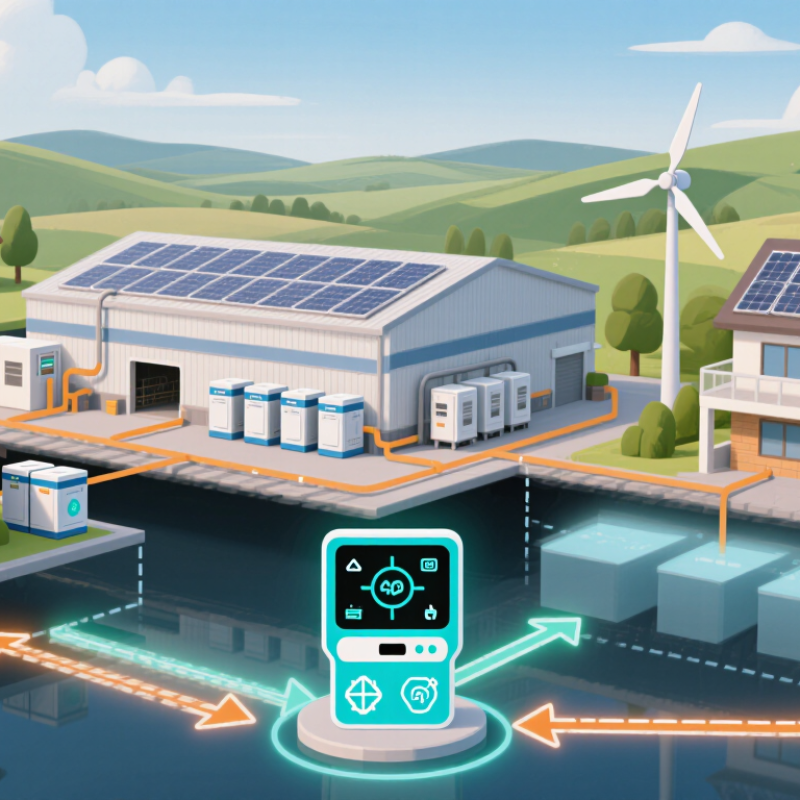
A microgrid is a local energy system built around specific buildings or facilities. It usually combines electricity sources, storage, controls, and switchgear. Sources may include rooftop solar or a generator, depending on site needs. Batteries store surplus power and release it when production falls or demand rises. A controller monitors output, battery charge, and electrical loads, then coordinates how power is used. Not magic.
When connected to the main grid, a microgrid can draw power from it and export electricity if its design allows. If the connection fails, protective equipment can separate the microgrid and let it operate independently. The controller may then reserve energy for critical loads, such as refrigeration, communications, or medical equipment. This islanded mode requires careful planning; a battery may not support every load through a long outage. Protection settings, equipment compatibility, and local operating conditions all matter. Commissioning should test real transitions, not just screen displays. Forecasts can be wrong, and that is worth admitting: reliable operation depends on clear priorities, maintained equipment, and people who know what the system can—and cannot—do.
Which Performance Criteria Matter Most in 2026
What Is the Best Microgrid Solution for 2026?
Which Performance Criteria Matter Most in 2026
The best microgrid is the one that meets a site’s real operating needs, not the one with the longest feature list. In 2026, compare reliability, islanding response, energy efficiency, and lifecycle cost. Ask how quickly the system can separate from the grid during an outage and keep critical loads running. Numbers need context. Check performance under changing demand, low renewable output, and equipment failure—not only under ideal conditions. Review maintenance access, replacement timelines, and whether the system can work with existing equipment.
Tips: Request measured results from comparable sites. Check how the supplier defines availability and includes downtime. Test controls during a planned outage, where safe and practical. A short test can reveal slow transitions or confusing alerts.
Cybersecurity and interoperability also deserve careful review. Confirm access controls, update procedures, data ownership, and how different energy assets exchange information. Ask for a clear explanation of system limits and support responsibilities. Test it live. No scorecard is perfect: a low-cost design may carry higher maintenance needs, while extra capacity can sit unused. Compare options using your site’s outage risks, load profile, and budget assumptions, then revisit those assumptions as conditions change.
What Is the Best Microgrid Solution for 2026?
Key performance criteria and illustrative project targets
A strong microgrid design balances resilience, reliability, clean energy, and efficiency. These illustrative targets are project-planning examples, not universal guarantees: critical-load service applies during an islanding event; availability is annual; renewable share is the fraction of annual electricity supplied by renewables; battery round-trip efficiency measures energy recovered versus energy stored; and emissions reduction is relative to a defined baseline.
How Grid-Connected, Islandable, and Remote Microgrids Differ
What Is the Best Microgrid Solution for 2026?
How Grid-Connected, Islandable, and Remote Microgrids Differ
The best fit depends on what happens when the utility line fails. A grid-connected microgrid exchanges power with the local network and can help manage peak demand. It suits campuses, factories, and commercial sites with reliable utility service. But it cannot necessarily keep critical loads running during an outage.
An islandable system adds protective switchgear, controls, and often batteries or onsite generation. When a feeder trips, it can disconnect and serve selected loads, such as refrigeration, pumps, or clinic equipment. That is not automatic. Operators need to test black-start procedures and confirm that generation can meet demand. The IEA’s Electricity 2024 report projects average global electricity-demand growth of 3.4% annually through 2026. That is a system-wide forecast, not a guarantee for any one microgrid.
Remote microgrids have no dependable utility connection. They must cover night loads, seasonal peaks, and delivery delays, often combining solar, storage, and dispatchable backup. The IEA’s Renewables 2024 report forecasts nearly 5,500 GW of renewable capacity growth over 2024–2030. Yet that global figure says little about a remote site’s battery replacement schedule or fuel deliveries. A design can look elegant on paper and still fail at 2 a.m. That detail gets missed.
Which Microgrid Design Best Fits Each Use Case in 2026
A microgrid works best when its design matches the site’s daily loads, fuel access, and outage risks. In 2026, a remote community may need solar, battery storage, and dispatchable backup sized for several low-sun days. A hospital campus has different priorities: critical circuits, tested islanding controls, and enough stored energy to bridge outages. No design fits every site.
Tips: Map critical loads by hour, not just by total monthly use. Test islanding plans with facility staff. Keep room for future capacity.
For factories and commercial buildings, a grid-connected microgrid can coordinate rooftop generation, batteries, and flexible equipment. This may reduce peak demand, but only when operating schedules and tariffs support the investment. A data center may favor fast-response storage and redundant power paths. A farm may need simpler controls and backup that can run for longer periods. These are starting points, not guarantees.
Before choosing equipment, review interval meter data, outage history, available space, and maintenance skills. Model seasonal conditions, then test the design against a real operating scenario. The awkward part is that forecasts can be wrong. Revisit assumptions as loads change, and confirm that operators can manage the system safely.