
10 Best Outdoor Light Bulbs for Any Weather?
Choosing dependable Outdoor Light Bulbs involves more than comparing brightness and price. Rain, snow, salt air, dust, and summer heat can quickly expose weak designs. A bulb that performs well on a covered porch may fail beside an unprotected driveway. The right choice depends on the fixture, local climate, socket type, and expected use.
Lighting designer Randall Whitehead offers a useful perspective: “The best lighting is the lighting you do not notice.” That idea guides this review. We examine bulbs that provide comfortable visibility without harsh glare or unnecessary energy use. We also consider weather ratings, LED efficiency, color temperature, dimming support, startup performance, and expected lifespan. Small details matter. A sealed base can resist moisture. A warm 2700K glow can make a patio feel calmer. A brighter 5000K bulb may improve visibility near a garage, but it can feel overly sharp at night.
Our comparisons focus on real outdoor situations, including wet entryways, windy balconies, and exposed garden fixtures. No bulb is perfect for every climate. Even careful testing has limits, especially when seasonal weather changes slowly. We may have overlooked a minor weakness in early testing. That is worth admitting. Buyers should still check the fixture’s wet-location approval and the bulb’s operating range. This guide to the 10 Best Outdoor Light Bulbs for Any Weather aims to make that decision clearer, safer, and more practical.
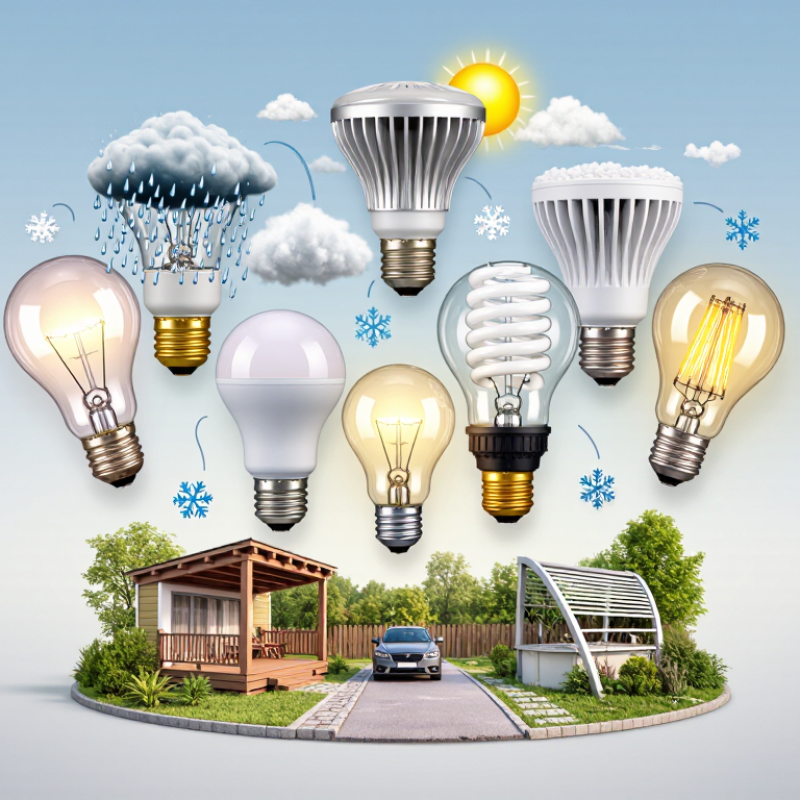
What Makes an Outdoor Light Bulb Suitable for Any Weather
An outdoor light bulb must survive more than rain. It faces condensation, dust, wind-driven water, heat, and freezing nights. Look for a wet-location rating, not merely “outdoor use.” The IEC 60529 standard defines IP protection levels; an IP65 enclosure resists dust and water jets, while IP67 adds temporary immersion protection. The bulb socket and fixture still matter. A sealed bulb in a poorly protected fitting can fail early.
LEDs usually suit demanding outdoor conditions because they produce less heat and tolerate frequent switching. The U.S. Department of Energy reports that residential LEDs use at least 75% less energy and can last up to 25 times longer than incandescent lamps. ENERGY STAR testing also evaluates lumen maintenance, electrical safety, and performance over time. Check the rated operating temperature. A bulb designed for 0°C may struggle during a harsh winter. Choose a wider temperature range when possible.
Corrosion resistance deserves attention near roads or coastlines. Salt air can attack contacts before the glass shows damage. I look for protected terminals, durable seals, and a fixture with drainage. Small details matter. Surge protection is useful where storms are common, though it cannot prevent every failure. No bulb is truly suitable for every weather condition. That claim needs skepticism. Installation quality, trapped moisture, and local climate can matter more than the package label.
10 Best Outdoor Light Bulbs for Any Weather? - What Makes an Outdoor Light Bulb Suitable for Any Weather
| No. | Outdoor Bulb Type | Typical Base | Typical Wattage | Typical Brightness | Color Temperature | Weather Rating to Look For | Suitable Outdoor Use | Cold-Weather Performance | Expected Service Life |
|---|---|---|---|---|---|---|---|---|---|
| 1 | Weather-resistant A19 LED | E26 medium | 8–12 W | 800–1,100 lm | 2,700–5,000 K | Damp- or wet-location listed | Porches, wall lanterns, covered fixtures | Generally good; verify the stated temperature range | 15,000–25,000 hours |
| 2 | High-lumen PAR38 LED | E26 medium | 12–20 W | 1,200–2,000 lm | 2,700–4,000 K | Wet-location listed | Floodlights, driveways, large entrances | Good heat dissipation; cold starts are usually reliable | 15,000–25,000 hours |
| 3 | Dusk-to-dawn LED bulb | E26 medium | 8–14 W | 800–1,300 lm | 2,700–3,000 K | Wet-location listed when exposed | Security lights, gateways, exterior fixtures | Good if the sensor remains within its rated range | 15,000–25,000 hours |
| 4 | Motion-sensor LED bulb | E26 medium | 9–15 W | 800–1,500 lm | 2,700–5,000 K | Wet-location listed | Side doors, garages, walkways, utility areas | Check sensor operation below freezing | 15,000–25,000 hours |
| 5 | Shatter-resistant LED globe | E26 medium | 5–10 W | 450–900 lm | 2,200–3,000 K | Damp- or wet-location listed | String lights, patios, covered dining areas | Durable housing helps resist impact and temperature changes | 15,000–25,000 hours |
| 6 | Decorative filament LED | E26 or E12 | 4–8 W | 300–800 lm | 2,200–2,700 K | Use only in a compatible damp/wet fixture | Lanterns, sconces, decorative porches | Usually suitable for moderate cold; verify the label | 15,000–20,000 hours |
| 7 | Color-selectable outdoor LED | E26 medium | 9–14 W | 800–1,300 lm | 2,700–6,500 K | Wet-location listed | Porches, seasonal lighting, entertaining spaces | Electronics require the manufacturer’s temperature rating | 15,000–25,000 hours |
| 8 | Low-voltage landscape LED | Bi-pin or specialty base | 1–7 W | 100–600 lm | 2,700–3,000 K | Outdoor-rated housing; commonly IP65 or higher | Path lights, garden fixtures, accent lighting | Good when sealed against water and installed correctly | 20,000–50,000 hours |
| 9 | Solar rechargeable LED bulb | Integrated or specialty base | 2–8 W equivalent | 100–800 lm | 2,700–6,500 K | IP44 minimum; IP65 preferred for exposed locations | Sheds, pathways, emergency or off-grid lighting | Output and charging can fall in cold or cloudy weather | 2–5 years for rechargeable battery; LED lasts longer |
| 10 | Heavy-duty LED work bulb | E26 medium | 10–20 W | 1,000–2,000 lm | 4,000–5,000 K | Wet-location listed; impact-resistant housing preferred | Workshops, barns, utility rooms, exterior maintenance | Designed for broad temperature use; confirm the product range | 15,000–25,000 hours |
Specifications are typical ranges for the listed bulb categories. Always check the product label, fixture rating, socket type, voltage, and local electrical requirements before installation.
Key Types of Outdoor Light Bulbs and Their Best Uses
Outdoor light bulbs must match the fixture, exposure, and task. LED bulbs suit most porches, paths, and security lights because they use little energy and start quickly in cold weather. Choose a damp-rated bulb under a covered roof, but use a wet-rated bulb where rain can reach it directly. Check the fixture label first.
I once installed a bright bulb beneath an open eave, then noticed moisture inside the socket after a storm. The bulb worked, but the setup was wrong.
Halogen bulbs produce warm, familiar light and excellent color, making them useful for entrances, dining patios, and decorative lanterns. They become very hot, however, so keep leaves, fabric, and plastic away from the fixture. Compact fluorescent bulbs can work in enclosed outdoor fixtures, but cold temperatures may delay startup. Their performance also varies by design. Solar bulbs fit garden paths and remote corners where wiring is difficult. They need direct sunlight, and shaded winter locations often disappoint.
Smart bulbs add schedules, dimming, and remote control to covered fixtures. They are practical near doors, but wireless signals may weaken through thick walls. For broad yards, select higher-lumen flood bulbs with a suitable beam angle. For steps, softer light reduces glare and preserves visibility.
Color temperature matters too: warm white feels inviting, while cooler white can reveal detail around gates. I still question very high brightness claims; measured lumens and real placement matter more than packaging language. Inspect seals, sockets, and bulbs each season, especially after heavy rain or freezing weather.
Weather-Resistance Ratings, Materials, and Safety Features
10 Best Outdoor Light Bulbs for Any Weather?
Weather resistance begins with the rating, not the package’s bright claims. The IEC 60529 standard defines IP protection against dust and water. For exposed locations, look for bulbs or fixtures marked for wet locations. IP44 resists splashing, while IP65 offers stronger protection against water jets. Ratings matter.
Materials also affect service life. UV-resistant polycarbonate handles sunlight better than ordinary plastic. Coated aluminum can resist corrosion, but damaged coatings may expose the metal beneath. Glass tolerates heat well, yet it can crack after sudden temperature changes. Outdoor-rated seals should remain flexible, not brittle. Small details matter.
The U.S. Department of Energy reports that LED lighting uses at least 75% less energy than incandescent lighting and lasts up to 25 times longer. That advantage can shrink when moisture enters the socket or heat builds inside a sealed fixture. Choose bulbs with suitable operating-temperature ranges and enclosed-fixture approval when required. A ground-fault-protected circuit adds safety near damp areas. Never rely on an indoor bulb beneath an uncovered porch. I have seen that shortcut fail after one wet season. The label looked reassuring. It was not enough. Inspect sockets for rust, loose contacts, and cracked seals before installation. A weather rating protects equipment, not careless wiring.
10 Best Outdoor Light Bulbs for Any Weather? Weather-Resistance Ratings, Materials, and Safety Features
This chart compares ten standardized IP ratings commonly used for outdoor lighting. A higher second digit indicates stronger tested protection against water, while the first digit describes protection against solid particles. IP ratings do not replace local wet-location requirements or electrical safety certification.
For exposed locations, look for sealed housings, UV-resistant polycarbonate or glass, corrosion-resistant metal parts, silicone gaskets, enclosed sockets, strain relief, and protection against overheating. IPX4 is intended for splashing water, IPX5 and IPX6 withstand water jets, IPX7 supports temporary immersion, and IPX8 is intended for continuous immersion under conditions specified by the manufacturer.
How to Compare Brightness, Color, Energy Use, and Lifespan
Choosing outdoor bulbs starts with lumens, not watts. For a porch, 450–800 lumens often gives comfortable visibility without harsh glare. Path lights may need less, while driveway fixtures can require 1,000 lumens or more. I once chose a brighter bulb for a narrow entry and regretted it; the white wall reflected too much light. Check the fixture’s beam direction, shade, and mounting height before comparing packages.
Color temperature changes the mood and visibility. Warm light around 2700–3000K feels inviting and reduces the stark look of wet pavement. Neutral light near 3500–4000K shows steps and house numbers more clearly. Very cool light can appear blue outdoors. Look for a color rendering index of 80 or higher when accurate colors matter. Still, numbers do not tell everything; nearby walls, foliage, and rain can change what your eyes perceive.
For energy use, compare lumens per watt rather than wattage alone. An efficient LED can deliver strong light while drawing roughly 8–15 watts. Confirm that the bulb suits damp or wet locations, depending on the fixture’s exposure. Cold weather usually affects startup less than heat, trapped moisture, or frequent switching. Lifespan claims often assume ideal conditions. A bulb rated for 15,000 hours may last less beside salty air or a hot metal housing. My buying mistake was ignoring replacement access; a long-lasting bulb is useless if the fixture is difficult to open. That detail deserves attention.
Choosing the Best Outdoor Light Bulb for Different Environments
Outdoor lighting should match the location, not just the socket. For a covered porch, a standard damp-location LED bulb may be enough. Exposed walls, open decks, and areas near sprinklers need a wet-location rating. Look for clear markings on the bulb and fixture. An IP65 rating offers stronger protection against dust and water jets, although ratings do not guarantee resistance to every storm. Check the fixture too. A sealed bulb cannot repair a cracked housing.
Cold climates need careful selection. The U.S. Department of Energy reports that LEDs use at least 75% less energy and last up to 25 times longer than incandescent bulbs. They also start reliably in cold weather, but extreme heat can shorten their service life. In snowy regions, choose a bulb rated for low temperatures and keep the lens clear of ice. Near the coast, salt air can corrode contacts quickly. Sealed fixtures and corrosion-resistant sockets matter more than extra brightness.
Brightness should fit the task. A small entryway often needs about 300 to 800 lumens, while a driveway may require more, depending on mounting height. Warm light around 2700K feels comfortable near living spaces; 3000K to 4000K can improve visibility around paths. The Illuminating Engineering Society emphasizes controlling glare and light trespass. That advice is easy to overlook. I once chose a very bright bulb for security, but it created harsh shadows and disturbed nearby rooms. Lower output, better shielding, and a motion sensor would have worked better. Check the label, test the beam, and rethink the setting after rain.
Related Posts
-
Top Benefits of Using LED Warehouse Lighting in 2025 for Efficiency and Safety
-
2026 Best Small LED Lights for Home and Outdoor Use?
-
7 Reasons Why Best Exterior Led Lighting is Essential for Sustainable Urban Development
-
Exploring Innovative Applications of LED Light Fixtures in Modern Industries
-
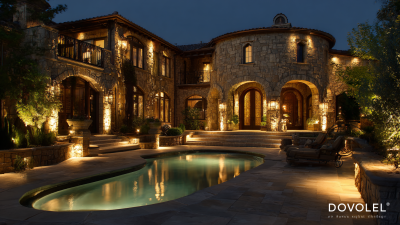
Innovative Examples of Best Outdoor Led Lights Transforming Spaces with Energy Efficiency
-

5 Key Advantages of LED Lighting Solutions for Global Buyers in 2023
