Best Rotational Molded Parts for Global Buyers in China?
The demand for high-quality Rotational Molded Parts is rapidly increasing globally. Manufacturers in China are leading the charge in producing these essential components. Their expertise in rotational molding technology has positioned them as key players in various industries.
China's market for Rotational Molded Parts benefits from a blend of advanced machinery and skilled labor. This results in parts that are often durable and cost-effective. However, not all manufacturers are equal. Quality control can vary widely among suppliers, making it crucial for buyers to do thorough research.
Buyers should seek partnerships with reputable companies known for their reliability. Understanding the production process can help mitigate risks. Consideration of both design and material selection is essential for achieving optimal performance. As the industry continues to evolve, staying informed about the latest advancements and trends will be vital for any buyer aiming to source the best Rotational Molded Parts.
Overview of Rotational Molding Process in China
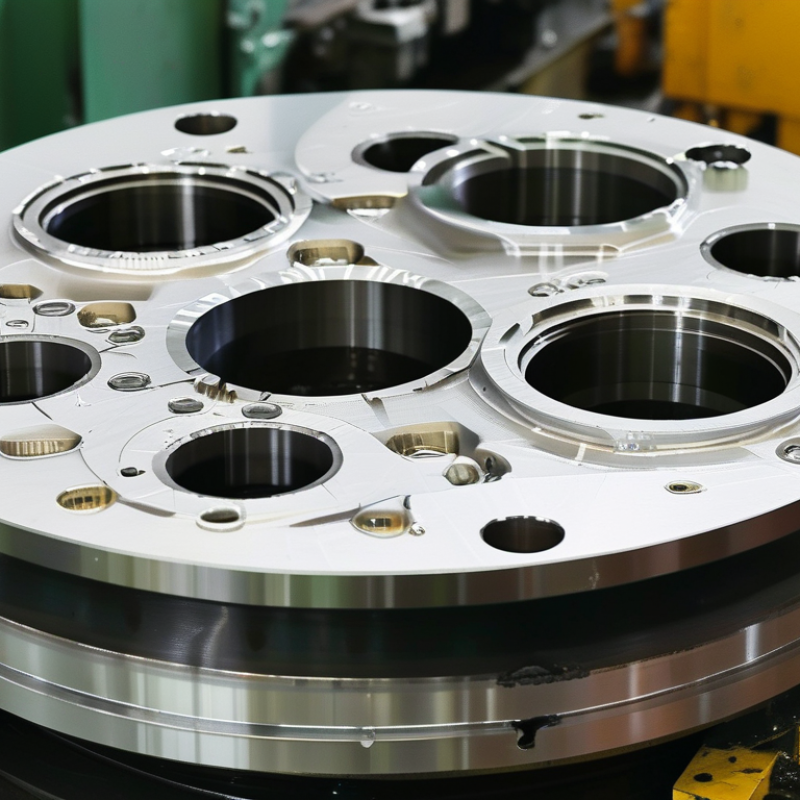
Rotational molding is a unique manufacturing process used for creating hollow plastic parts. In China, this technique is gaining popularity due to its versatility and cost-effectiveness. The process involves heating plastic granules in a mold that rotates on two axes. This method allows the plastic to coat the interior surfaces evenly, resulting in a product with a consistent wall thickness.
One key benefit of rotational molding is the ability to create complex shapes with minimal waste. The production cycle can be adjusted to accommodate different sizes and designs. However, achieving precise dimensions can sometimes be challenging. The mold must be carefully designed to ensure proper material flow during the heating phase.
Tips: Always conduct thorough research on local manufacturers. Look for those with a proven track record in rotational molding. Consider visiting factories to inspect their equipment and processes firsthand. Choose partners who prioritize quality control to prevent unexpected outcomes. An open line of communication is essential throughout the production process.
Key Industries Utilizing Rotational Molded Parts
Rotational molded parts have found extensive applications across various industries in China. These versatile components are particularly popular in sectors such as automotive, marine, and consumer goods. In the automotive industry, these components are often used for plastic fuel tanks, dashboard panels, and interior parts. The lightweight and durable nature of rotational molded parts makes them ideal for reducing vehicle weight and improving fuel efficiency.
The marine industry utilizes these parts for products like kayaks, storage bins, and other watercraft components. Their resistance to harsh weather conditions and chemicals is a significant advantage in such applications. Additionally, in consumer goods, companies employ rotational molding for creating playground equipment, furniture, and storage solutions. The vibrant colors and customizable shapes enhance appeal and functionality.
While the benefits are clear, challenges exist. Sourcing can be tricky, and quality control may vary among manufacturers. Understanding the nuances of each manufacturing process is crucial for global buyers. Balancing cost and quality can lead to better outcomes. The diverse applications of rotational molded parts require a thoughtful approach to sourcing from China. The right choice can yield innovative solutions across industries.
Best Rotational Molded Parts for Global Buyers in China? - Key Industries Utilizing Rotational Molded Parts
| Industry | Application | Common Materials | Benefits of Rotational Molding |
| Automotive | Car interiors and components | Polyethylene, Polypropylene | Lightweight, durable, cost-effective |
| Consumer Goods | Outdoor furniture and containers | HDPE, PVC | Customization, UV resistance |
| Healthcare | Medical storage and transport | Medical grade polyethylene | Hygienic, lightweight, easy to clean |
| Industrial | Storage tanks and bins | Polyethylene, Polypropylene | Seamless construction, corrosion resistant |
| Agriculture | Water troughs and planters | HDPE | Durable, UV stability |
Criteria for Selecting Quality Rotational Molded Parts
When selecting rotational molded parts, the criteria can significantly impact quality. Buyers should focus on material selection. High-density polyethylene (HDPE) is a popular choice due to its durability and chemical resistance. A study by the Society of Plastics Engineers indicates that parts made of HDPE can last up to 50% longer than other materials in harsh environments.
Manufacturing processes matter too. Precision in molding ensures a uniform wall thickness, which is crucial for strength. Reports suggest that inconsistent thickness can reduce product life by up to 30%. Buyers should seek suppliers with automated technology for consistency.
Additionally, consider the supplier's experience. Companies with a track record in rotational molding often produce higher quality parts. According to industry analysis, suppliers who have been in business for over a decade have a 60% lower defect rate. This data underscores the importance of choosing the right manufacturing partner. A collaborative approach may help identify potential issues before they arise. This proactive stance could be key to achieving the desired quality in rotational molded parts.
Top Manufacturers of Rotational Molded Parts in China
China has positioned itself as a leading player in the production of rotational molded parts. The country has ramped up its manufacturing capabilities, with the market for rotational molding projected to reach $6 billion globally by 2027. This growth highlights the increasing demand for durable and lightweight parts in various industries.
Several manufacturers excel in this domain, leveraging advanced technologies. These companies often focus on custom designs, tailoring products to meet specific client needs. They utilize innovative materials that enhance product longevity. However, not all manufacturers maintain high standards. Potential buyers should evaluate quality certifications and production capacities carefully.
Tip: Always request samples before making bulk purchases. This ensures the quality meets your expectations.
Additionally, consider the logistical aspects of sourcing from China. Shipping costs and delivery times can significantly impact your project timelines. It is essential to work with reliable partners who can offer transparency in their processes.
Tip: Establish clear communication with your supplier. This can prevent misunderstandings and ensure a smoother production timeline.
The rotational molding industry in China is dynamic, but vigilance is crucial for making informed choices.
Future Trends in Rotational Molding for Global Markets
Rotational molding is evolving rapidly, catering to a diverse range of industries. Recent studies indicate that the global rotational molding market could reach approximately $5 billion by 2025. This growth reflects increased demand for customized parts and lightweight products. Companies are now leveraging advanced materials and technologies, which improve efficiency and reduce costs.
The future trends indicate a shift towards sustainable practices. Recyclable materials are expected to dominate the production landscape. In fact, a report from a leading industry analyst noted that nearly 30% of manufacturers are exploring bio-based polymers. This transition not only addresses environmental concerns but also aligns with consumer preferences for eco-friendly products.
Moreover, automation is becoming a central theme in rotational molding. By integrating smart technologies, manufacturers enhance precision and reduce waste significantly. However, the challenge remains in balancing innovation with the skilled labor demand. While automation promises efficiency, the industry must ensure that workers are trained to adapt to these new technologies. This evolving landscape presents both opportunities and hurdles for global buyers in China and beyond.