Best Stainless Hex Nuts for Your Projects What to Consider?
When embarking on projects that require robust fastening solutions, choosing the right components is crucial. Stainless Hex Nuts are often overlooked but are essential for ensuring durability and performance. These nuts provide a secure and corrosion-resistant hold in various applications, including construction and automotive, where reliability is key.
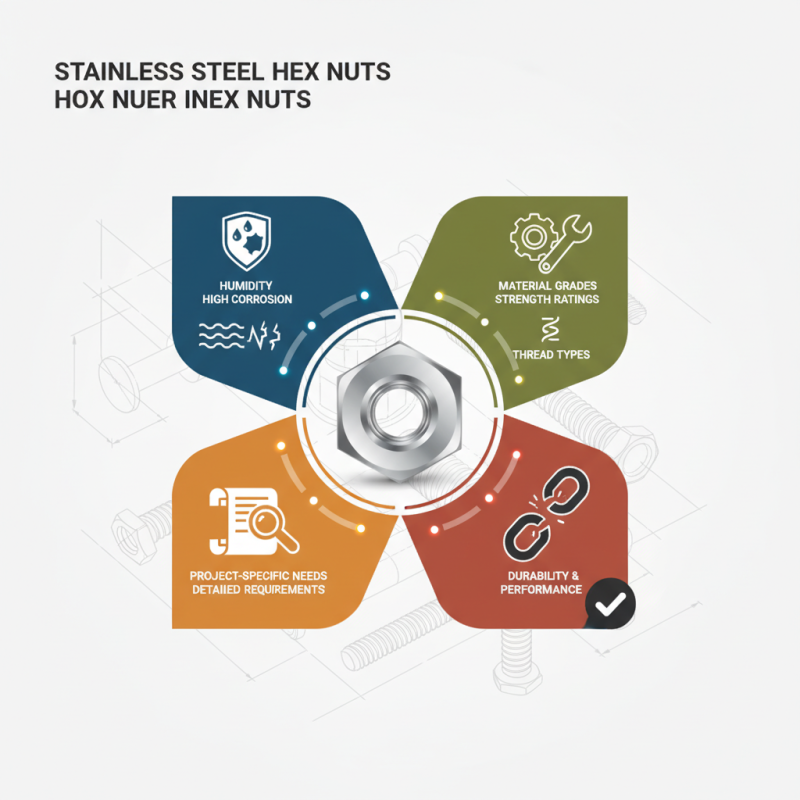
However, selecting the best Stainless Hex Nuts isn't as straightforward as it seems. Many factors come into play, including material grades, thread types, and strength ratings. It's easy to get lost in specifications. Sometimes, the perfect nut isn't what you expect. For instance, not all stainless steel is created equal. Some offer better resistance to rust, while others may not hold up under stress.
In addition, understanding your project's specific needs is vital. Are you working in a humid environment or a highly corrosive one? Thus, taking a moment to reflect on your requirements will help you make the right choice. Make sure to pay close attention to details that may seem minor. Remember that the smallest components can make or break your project.
Understanding Stainless Hex Nuts: An Overview of Their Uses
Stainless hex nuts are vital components in many projects. They offer strength and corrosion resistance, making them a go-to choice in construction and manufacturing. According to industry reports, stainless hex nuts are shown to last longer than their carbon steel counterparts, especially in harsh environments. This durability adds value for long-term applications.
When selecting stainless hex nuts, consider factors like material grade, size, and thread type. The most common grades, such as 304 and 316, have unique properties suited for different environments. For example, 316 is more resistant to chlorides, making it ideal for marine applications. The right choice can enhance project longevity.
Tips: Always verify the nut’s compatibility with your bolt grade. The right pairing improves overall strength. Additionally, maintaining a proper installation torque is essential. Too loose, and they might fail; too tight, and you risk stripping the threads. It’s a delicate balance that requires attention. Reflecting on these elements can steer you toward better project outcomes.
Key Factors to Consider When Choosing Stainless Hex Nuts
When selecting stainless hex nuts, there are key factors to consider. The material type is essential. Stainless steel is durable and resistant to corrosion. Grades like 304 and 316 have different properties. Grade 316 offers more corrosion resistance, making it ideal for marine environments. According to a market report, the global stainless steel fasteners market is expected to grow significantly, reflecting the increasing demand for durable materials.
Another important aspect is the size and thread type. Hex nuts come in various dimensions. It's crucial to choose the right size to ensure a proper fit. Using incorrect sizes leads to failures. Thread types also matter. Coarse and fine threads serve different purposes. For heavy loads, coarse threads might be more suitable.
Tips: Always check strength ratings. This will help ensure the nuts can handle the required load. Moreover, consider the environment where they will be used. In humid or salty conditions, opt for higher-grade stainless options. Remember that not every hex nut suits every project. Be mindful of compatibility with bolts. Choosing the wrong combination can lead to serious issues.
Different Grades of Stainless Steel for Hex Nuts and Their Applications
When selecting stainless hex nuts for your projects, understanding the different grades of stainless steel is crucial. Stainless steel hex nuts are available in various grades, each with unique properties. For example, A2 stainless steel is commonly used for general applications. It offers good corrosion resistance and is suitable for indoor and outdoor projects. However, in marine or extreme environments, this grade may not be sufficient.
Another important grade is A4, which contains molybdenum. This enhances its resistance to pitting and crevice corrosion. A4 nuts are more suited for harsh environments, like coastal areas. Yet, they are often more expensive, which may impact budget-conscious projects. You have to weigh the cost against the benefits.
Sometimes, choosing the right grade feels overwhelming. It’s tempting to go for the cheaper option, but this may lead to problems later. Corrosion could shorten the life of your project. Some projects may require specific properties, like heat resistance. Thus, learning about each grade becomes crucial for success. Always remember that the right material can make a significant difference in durability and performance.
Common Sizes and Dimensions for Stainless Hex Nuts
When selecting stainless hex nuts for your projects, understanding common sizes and dimensions is crucial. A standard hex nut typically has a width across flats varying from 1/4 inch to 1 inch, with heights ranging from 0.2 inches to 0.5 inches. These dimensions help ensure compatibility with various bolts and screws. According to the American National Standards Institute (ANSI), most sizes follow specific thread standards, with UNC and UNF being the most common.
The material grade also matters. For stainless steel, grades 304 and 316 are popular. Grade 304 is often resistant to corrosion in most environments, while 316 provides stronger protection against saltwater. According to industry data, 316 stainless steel exhibits about 2-3% better corrosion resistance than 304. This can be critical in coastal applications or areas with high humidity.
Tips: Always measure your requirements carefully. A slight deviation in size can cause fitting problems. It's important to note that some nut types may not align perfectly with corresponding hardware. When in doubt, consult technical specifications. This reduces the risk of using incorrect sizes in your applications.
Maintenance and Care Tips for Stainless Hex Nuts in Projects
Stainless hex nuts are essential in many projects. To maintain their integrity, regular care is crucial. Clean them often to avoid corrosion. A simple cloth can remove dirt and grime. But don't forget; some stubborn stains might need a gentle scrub.
Storage is another key factor. Keep the nuts in a dry place. Moisture can lead to rust, even in stainless steel. Use containers that minimize exposure to air. If you notice any discoloration, it might be time to replace them.
Inspect your hex nuts periodically during your projects. Look for signs of wear or damage. It’s easy to overlook this step, yet it can save you time and effort in the long run. Remember, these small components hold significant value in your work. Taking the time to care for them ensures your projects stand the test of time.