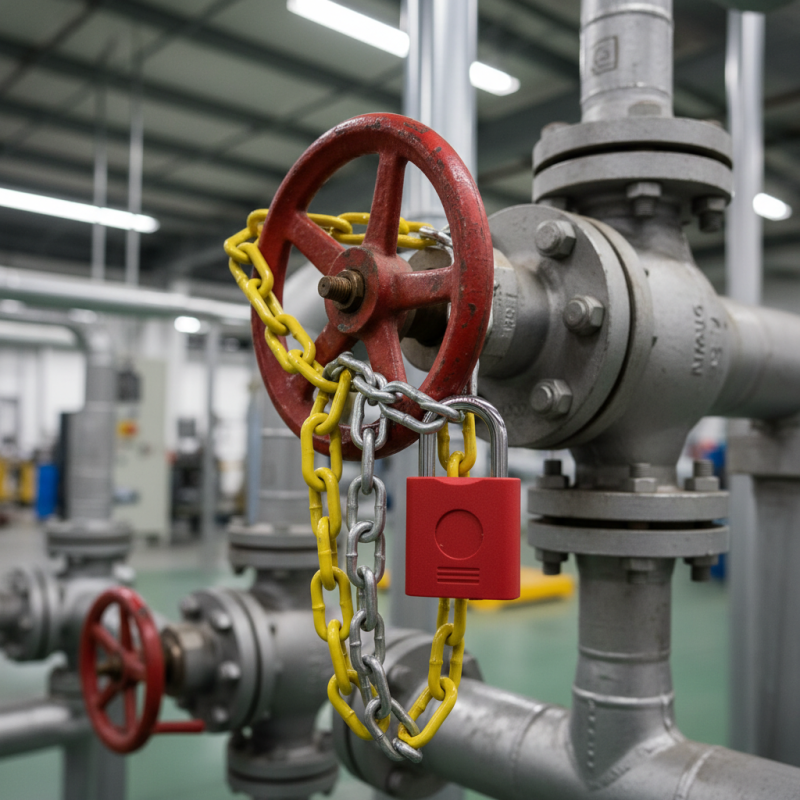
Best Valve Lockout Chain Solutions for Your Safety Needs?
When it comes to workplace safety, understanding the best practices is crucial. Valve Lockout Chain systems are vital for preventing accidental valve operation. These solutions ensure that equipment cannot be unintentionally activated during maintenance.
Properly implemented Valve Lockout Chains provide peace of mind. They offer a reliable method to secure valves and protect workers during repairs. However, not all chains are created equal. Evaluating their materials and designs is essential for optimum safety.
Selecting the right Valve Lockout Chain requires expertise. Factors like durability and ease of use play significant roles. The wrong choice can lead to serious consequences. Therefore, investing time in understanding these solutions is a necessity for any safety-conscious organization.
Understanding Valve Lockout: Importance and Safety Considerations
Valve lockout is essential in industrial settings where safety is paramount. Understanding its importance can save lives and prevent accidents. These devices ensure valves remain secure during maintenance or repair. Each year, countless incidents occur due to improper valve management. The consequences are often severe. Workers can face injuries or exposure to hazardous materials.
Safety considerations should never be taken lightly. A clear lockout procedure provides guidelines for workers. This includes using lockout chains and tags to indicate a valve is under maintenance. Proper training is crucial. Workers must know how to use these devices effectively. Rushing through safety protocols increases risk. Details matter, such as inspecting chains and confirming their durability.
Implementing a reliable valve lockout system requires ongoing reflection. Teams should routinely assess their process and identify weaknesses. Encouraging feedback can improve safety practices. It's vital to create a culture where team members feel empowered to raise concerns. Maintaining safety is a continuous journey, not a one-time task. This commitment ensures the well-being of all workers on site.
Types of Valve Lockout Chains: Features and Benefits
When it comes to safety in industrial settings, valve lockout chains play a crucial role. These chains are designed to prevent unauthorized access to valves during maintenance or inspections. Their robust construction ensures that workers remain safe from accidental releases of hazardous materials. Different types of valve lockout chains offer varying features and benefits tailored to specific safety needs.
One common type is the long chain lockout solution. This variant can secure multiple valves at once, making it ideal for larger facilities. The flexibility of the chain allows it to adapt to various valve sizes and configurations. Alternatively, there are specialized chains designed for extreme environments. These often feature corrosion-resistant materials, ensuring reliability even under harsh conditions. Each type reflects a commitment to safety. However, choosing the right chain requires careful consideration of your specific needs and surroundings.
Safety equipment must meet high standards, but imperfections can occur. Regular maintenance of lockout chains is essential to ensure their effectiveness. Moreover, training for staff on lockout procedures is crucial for avoiding mishaps. Mistakes in application can lead to dangerous situations. It’s vital to reflect on past experiences and improve protocols continuously. This evolution can significantly enhance overall safety culture in any facility.
Choosing the Right Material for Valve Lockout Chains
When selecting a valve lockout chain, the material plays a crucial role in its effectiveness. Chains made from steel offer superior strength and durability. Steel is resistant to rust and wear, making it ideal for heavy-duty environments. However, they can be heavy and may require more effort to handle.
On the other hand, plastic chains are lightweight and easy to use. They are often preferred for smaller applications or where portability is needed. However, plastic may not withstand heavy loads as well as metal. For many, the choice between steel and plastic boils down to specific safety needs and the environments they work in.
It's essential to consider the visibility of the material. Brightly colored chains can enhance safety by making the lockout procedure more noticeable. This can prevent accidental valve operations, which could lead to hazardous situations. Take time to analyze your requirements. Each situation is unique, and the right choice may not always be obvious. Reflection on past experiences can guide future decisions regarding materials for lockout chains.
Best Practices for Implementing Valve Lockout Procedures
Implementing effective valve lockout procedures is crucial for workplace safety. According to the Occupational Safety and Health Administration (OSHA), around 10% of workplace injuries are related to the failure of lockout/tagout procedures. Proper training and best practices can significantly reduce these incidents. Knowing how to apply lockout chains correctly can help ensure machinery remains inoperative during maintenance.
Developing a comprehensive lockout program begins with employee training. Workers should be familiar with all equipment in their area. Regular training sessions can help reinforce the importance of following protocols. A study found that facilities with ongoing safety training see a 25% decrease in accidents. Documenting these procedures creates accountability and transparency. This practice can also highlight the areas needing improvement, fostering a culture of safety.
Utilizing valve lockout chains requires careful consideration of the equipment used. Selecting the appropriate chain length and strength prevents unauthorized access during maintenance. Regular inspections of the locking devices are essential, as wear can compromise safety. Companies should track compliance and address any gaps in lockout performance. This ongoing evaluation helps maintain reliability in operations, ensuring safety is always prioritized.
Maintaining and Storing Your Valve Lockout Chains Properly
Proper maintenance and storage of valve lockout chains are essential for workplace safety. Regular checks are crucial. Inspect chains for wear and tear, ensuring they remain fit for use. Chains should be cleaned often to avoid buildup of dirt and grease. This will enhance their durability and effectiveness.
When it comes to storage, a dedicated space is crucial. Chains should be hung or stored flat to prevent kinks and damage. Keep them away from extreme temperatures and direct sunlight. This helps maintain their integrity. Having a clear labeling system can simplify retrieval and ensure that the right chains are used for specific jobs.
Training staff on correct handling is often overlooked. Proper training fosters a culture of safety. Employees need to know how to inspect and utilize the chains effectively. A quick refresher can help avoid misconceptions about their usage. Even experienced workers benefit from consistent reviews of procedures. Effective practices evolve, and staying informed is key.