How to Choose the Best LED Garden Light at Canton Fair 2026?
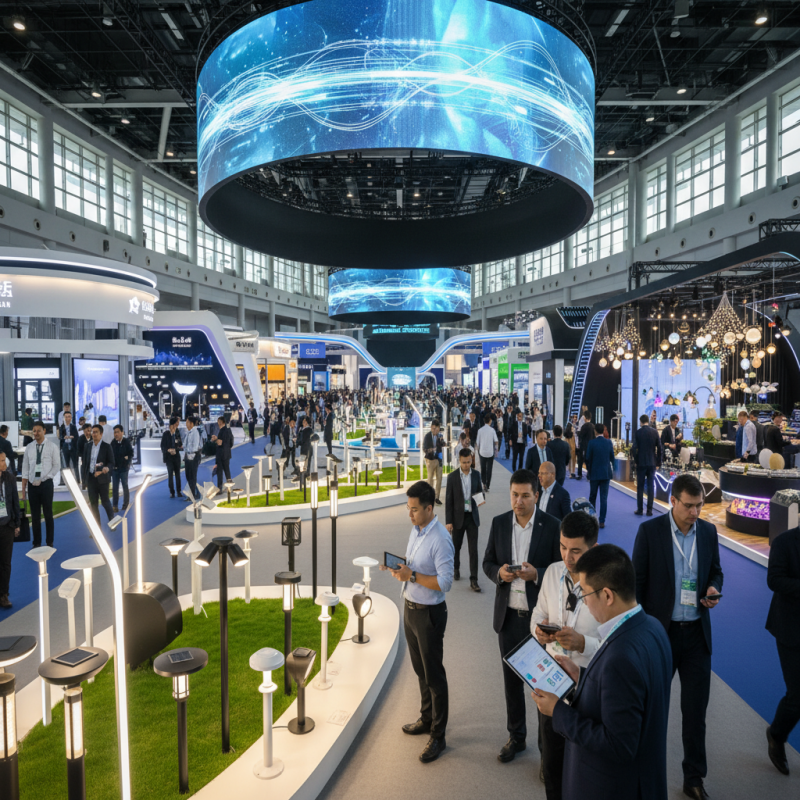
The upcoming Canton Fair 2026 promises to be a significant platform for sourcing the best led garden light. With a focus on advanced manufacturing and home quality products, the event attracts industry leaders and innovators. According to a recent market report, the global LED garden light market is expected to grow at a CAGR of 15% from 2023 to 2030, emphasizing the demand for energy-efficient outdoor lighting solutions.
Effective navigation through the expansive 155,000 square meter venue is crucial. The Fair's new AI-driven search features will help buyers easily identify suppliers with essential certifications, like ISO and CE. This innovative approach significantly increases the efficiency of the sourcing process in this competitive market.
Buyers face challenges in distinguishing quality products among the variety of vendors. Finding reliable products requires careful consideration of features such as brightness, durability, and design. While many LED garden lights are marketed with high lumens, actual performance can vary greatly. This year, reflecting on these discrepancies will help buyers make informed decisions, ensuring they invest in products that truly meet their needs.
The Importance of Lumens and Watts in LED Garden Lights
When choosing LED garden lights at Canton Fair 2026, understanding lumens and watts is crucial. Lumens measure brightness, while watts indicate energy use. According to the International Energy Agency, efficient LEDs deliver about 80-100 lumens per watt. A light with 800 lumens and 10 watts is more efficient than one with 800 lumens but 15 watts. Many buyers confuse watts as brightness, causing poor choices and energy waste.
Lumens affect how your garden looks at night. A small pathway may need 100-300 lumens for subtle lighting. Larger areas like patios require 700-1,200 lumens for clear visibility. The Illuminating Engineering Society recommends these ranges for safety and ambiance. But sometimes, more lumens means glare, which can spoil the garden’s atmosphere. Balance is key, but hard to get right without testing.
Tips: Check the lumen-to-watt ratio before buying. Avoid very high wattage LEDs with low lumens—they waste power. Also, be cautious: brightness needs depend on garden size and mood you want. Too bright hurts plants, too dim reduces safety. Luckily, many lights show lumen output clearly, yet shoppers often overlook this. Reflect on past mistakes, and try different settings. Lighting is an art, not just numbers.
Understanding Color Temperature for Optimal Garden Ambiance
When choosing LED garden lights, color temperature plays a vital role. Understanding it can transform your outdoor space. Color temperature is measured in Kelvin (K). Lower values, around 2700K to 3000K, emit warm hues. They create a cozy atmosphere. Higher values, such as 5000K or above, produce cooler, bluish light. These are brighter but less inviting.
Imagine your garden lit with string lights. Warm light wraps everything in a soft glow. This feels welcoming during evening gatherings. Conversely, bright white light may wash out colors. Flowers and greenery can lose their charm. Consider how each color affects mood and visibility.
It's essential to test the lights before commitment. Carry samples home, if possible. The light can appear different in various settings. Consider the layout and purpose of the garden. Experiment with different combinations. Some areas may benefit from warm light, while others need cool tones. Reflect on what ambiance you want to cultivate. Mixing temperatures can create depth and interest.
Evaluating IP Ratings for Weather Resistance in Outdoor Lighting
When selecting LED garden lights, understanding IP ratings is crucial. IP stands for Ingress Protection. It indicates how well a product can resist dust and moisture. For outdoor lighting, look for an IP rating of at least IP65. This level provides protection against dust and low-pressure water jets from any direction. A recent industry report highlights that over 70% of outdoor lighting failures result from inadequate weather resistance.
Not all light fittings are created equal. Lower-rated products can fail quickly. Many users find that lights with IP ratings below 65 burn out or corrode in harsh weather. In contrast, those rated IP67 or higher can withstand temporary immersion in water. It's wise to consider your environment. For areas with heavy rainfall or dust, selecting lights with the highest IP rating will yield better long-term performance.
While higher ratings often imply greater resilience, not every high-rated product guarantees quality. Some cheaper models may boast good IP ratings but lack durable materials. User reviews and detailed specifications can help. Industry data shows that approximately 30% of consumers are dissatisfied with weather resistance claims. Research carefully to avoid the pitfalls of making impulsive purchases based on ratings alone.
Comparing Energy Efficiency: LED vs. Traditional Garden Lights
When comparing energy efficiency, LED garden lights outshine traditional options. LEDs consume less energy while providing brighter illumination. They last longer too, often exceeding 25,000 hours. This longevity means fewer replacements and less waste, a win for the environment.
Tips for choosing LED garden lights include checking their lumens rating. Lumens indicate brightness, important for effective lighting. Look for lights with a high lumen output for vibrant gardens. Additionally, consider the color temperature. A warm white glow can create an inviting atmosphere.
However, not all LED lights are equal. Some may have a higher upfront cost but offer savings in the long run. Still, many cheap LEDs can underperform. They might flicker or fail prematurely. Researching reviews can lead to better choices. Balancing initial and long-term costs is crucial for a satisfactory purchase.
Energy Efficiency Comparison of LED and Traditional Garden Lights
Identifying Key Features to Look for in Smart LED Garden Lights
When considering smart LED garden lights, there are key features to look for. First, examine the brightness levels. Measured in lumens, a higher number means a brighter light. This can enhance both security and ambiance in your garden. It’s important to match brightness with your garden's needs.
Battery life is another crucial factor. Check how long the lights can stay powered. This affects the overall usability. Some lights may require frequent charging, which can be frustrating. Look for models that offer a good balance between power efficiency and duration.
Tips: Always check the waterproof rating. A higher rating ensures durability against weather elements. A light with a lower rating might fail after a storm. Also, consider the design and placement options. Flexibility in positioning can greatly enhance your garden's layout.
Smart features are vital. Integration with apps offers convenience. You should be able to control lights from your phone. However, ensure that the app is user-friendly. Sometimes, complicated interfaces can be a hassle.
Reflect on your specific garden needs. Not all features will suit every space. Analyze what works best for your garden's layout and your personal preferences.