How to Choose the Best Warehouse LED Lighting?

Choosing the best warehouse LED lighting requires more than comparing wattage and product prices. A reliable system must support safe movement, accurate picking, clear labeling, and comfortable work throughout long shifts. In a busy warehouse, poor illumination can hide damaged cartons, create glare on shrink wrap, or leave dark areas between storage racks. These details matter.

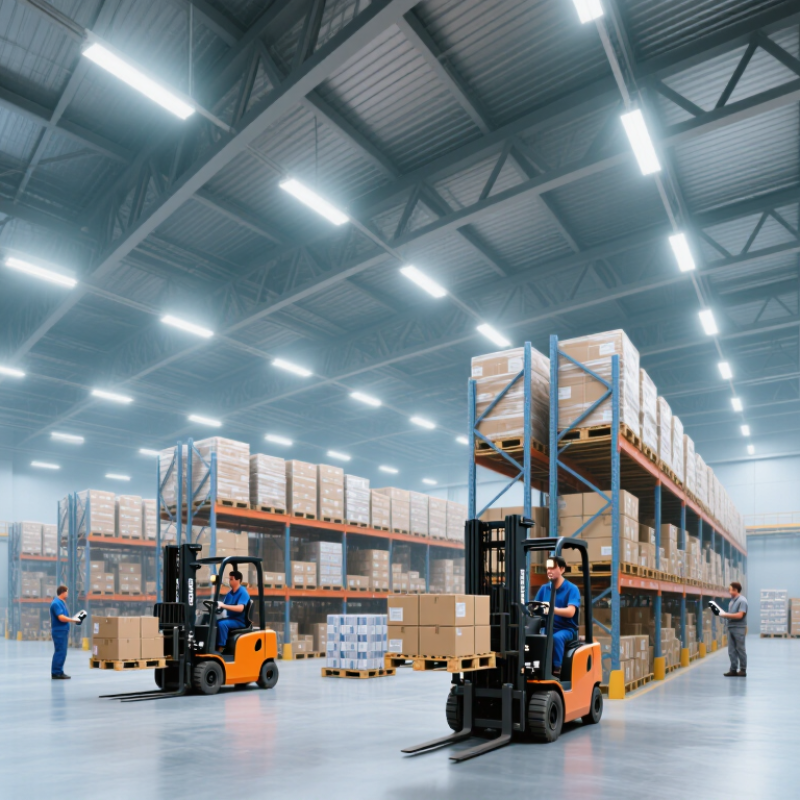
Warehouse Lighting Led solutions can improve visibility while reducing energy use and maintenance interruptions. However, the right choice depends on ceiling height, aisle width, rack layout, operating hours, and local safety requirements. High-bay fixtures may suit a tall distribution center, while focused aisle lighting can work better in narrow storage zones. Color temperature and color rendering also deserve attention, especially where employees read small labels or inspect product surfaces.

Measure the space first.

In practical projects, small assumptions often cause expensive mistakes. A fixture that looks bright in an empty room may perform poorly after racks, equipment, and stored goods are installed. Lighting calculations, on-site testing, and professional installation provide stronger evidence than photographs or sales claims. Still, no recommendation fits every facility. Dust, temperature, humidity, and future layout changes can alter performance over time.

This guide explains how to compare LED fixture types, lighting levels, controls, efficiency, durability, and maintenance needs. It also highlights common selection errors, because even experienced teams can overlook glare or uneven illumination. A thoughtful decision balances worker comfort, operational accuracy, long-term cost, and dependable performance.
How to Choose the Best Warehouse LED Lighting?

Warehouse Lighting Requirements and Operational Goals

How to Choose the Best Warehouse LED Lighting?

Warehouse lighting should serve the work, not merely brighten the ceiling. Start by mapping each task: pallet storage, forklift aisles, order picking, packing, and inspection. IES RP-7 guidance commonly places warehouse illuminance near 100–200 lux, while detailed picking tasks may require higher levels. Treat these figures as starting points. A lux meter at floor height can reveal dark corners that a computer layout misses. A neat lux number can still mislead.

Operational goals also shape the LED specification. High ceilings need suitable beam angles, stable output, and controlled glare. Picking areas benefit from better vertical illumination, because labels face sideways, not upward. The U.S. Department of Energy reports that modern solid-state lighting can exceed 100 lumens per watt, but efficiency alone does not guarantee useful light. Controls matter too. The U.S. Energy Information Administration’s 2018 CBECS data identifies lighting as about 17% of commercial building electricity use, making occupancy and daylight controls worth examining. Motion sensors may reduce waste, yet poorly timed settings can leave workers in darkness. That risk deserves testing. Color quality should support barcode reading and product checks; a CRI of 80 or higher is often practical, though demanding inspections may need more. Review glare, maintenance access, temperature, and emergency-lighting coordination before approval. The cheapest fixture may become expensive when failures interrupt a busy aisle.

LED Performance Factors: Brightness, Color, Efficiency, and Lifespan

How to Choose the Best Warehouse LED Lighting?

In a warehouse, brightness must support safe movement and accurate work. Aisles, packing benches, and loading docks often need different illumination levels. I once inspected a facility where bright fixtures created dark gaps between storage racks. Workers still struggled to read labels. Measure illuminance and uniformity at floor level, shelf height, and work surfaces. A calibrated light meter gives better evidence than visual judgment. Do not judge by brightness alone.

Color affects visibility, comfort, and error rates. A neutral color temperature around 4000K to 5000K usually suits active warehouse areas. Higher color rendering helps workers distinguish labels, wiring, and product colors. However, overly cool light can feel harsh during long shifts. Test a sample area at different times. Human comfort matters.

Efficiency includes more than watts per fixture. Compare useful lumens per watt, controls, maintenance needs, and energy use across operating hours. Occupancy sensors can reduce waste in quiet aisles, but poor settings may cause distracting delays. Lifespan ratings, such as L70, estimate when output falls to seventy percent of its initial level. Dust, heat, vibration, and frequent switching can shorten real performance. I have seen long-life claims disappoint when cleaning schedules were ignored. A lighting plan should include replacement access, measured results, and honest review after installation.

Choosing Fixtures for Racks, Aisles, Ceilings, and Work Areas

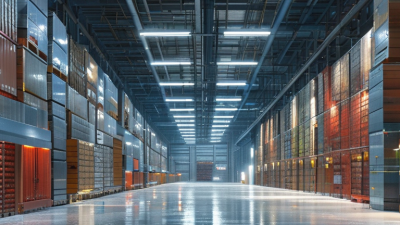
Choosing warehouse LED lighting starts with the work happening below each fixture. For tall racks, use narrow or aisle-focused beams that direct light onto labels and pallet faces. A wide beam may brighten the floor but leave upper shelves dim. Mount fixtures parallel with the aisles when possible. This reduces wasted light and improves forklift visibility. Check vertical illumination, not only horizontal lux readings.

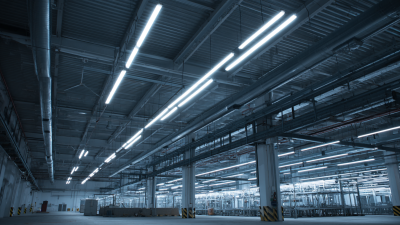
Aisles need controlled brightness without harsh glare. Look for fixtures with suitable optics, low flicker, and durable housings. High ceilings often require high-bay fixtures with strong lumen output and efficient heat management. Lower ceilings may need lower-output units to prevent overlighting. Small details matter. Dust, temperature changes, and frequent switching can affect long-term performance.

Work areas require a different approach. Packing benches, inspection stations, and repair tables benefit from higher color rendering and even light across the task surface. Add local fixtures where overhead lighting creates shadows. Occupancy sensors can reduce energy use in quiet aisles, but test their response before full installation. I once saw sensors placed behind storage columns; lights activated too slowly for workers entering the area. That mistake was avoidable. Review photometric layouts, sample measurements, and mounting conditions with a qualified lighting professional. No plan is perfect. Recheck the space after racks, machinery, and safety barriers are installed.

Controls, Sensors, and Smart Features for Energy Management

Warehouse LED lighting performs best when controls match real work patterns. Aisles may stay empty for hours, while loading areas need bright, consistent light. Occupancy sensors can reduce output in unused zones and restore full brightness within seconds. Use microwave or passive infrared sensors according to ceiling height, temperature, and movement. Small details matter. A sensor aimed at a busy doorway may keep an entire aisle fully lit.

Daylight sensors can dim fixtures near skylights or loading doors. Set gradual transitions to prevent distracting changes during cloudy weather. Scheduling also helps, but fixed schedules should not replace occupancy feedback. Delivery times often change. In practice, a layered system works better: scheduling provides a baseline, sensors adjust local output, and manual overrides support unusual tasks. Controls should also allow separate zones for storage racks, packing stations, offices, and emergency routes.

Energy dashboards can reveal runtime, peak demand, and failed sensors. Review this data monthly. A sudden rise in overnight consumption may indicate incorrect settings or a stuck control. During one commissioning process, the sensor map seemed efficient but left a corner too dark for safe picking. The zones needed adjustment. Not every saving is worthwhile. Verify visibility, worker comfort, maintenance access, and local electrical requirements before lowering light levels. Reliable systems include clear fallback settings when communication fails.

How to Choose the Best Warehouse LED Lighting? - Controls, Sensors, and Smart Features for Energy Management

Control, Sensor, or Smart Feature How It Works Recommended Warehouse Area Typical Planning Data Energy-Management Benefit Selection Considerations
Occupancy Sensor Detects movement or presence and switches fixtures to a lower output or standby level when an area is unoccupied. Storage aisles, secondary aisles, utility rooms, and low-traffic zones. Adjustable time delay is commonly set between 5 and 20 minutes; detection coverage must match mounting height and aisle geometry. Reduces operating hours during periods with no activity and avoids lighting entire zones continuously. Choose microwave, passive infrared, or dual-technology sensing according to rack layout, ceiling height, obstructions, and forklift movement.
Daylight-Harvesting Sensor Measures available daylight and dims nearby LED fixtures to maintain a target illumination level. Perimeter aisles, areas near skylights, loading doors, and warehouses with clerestory windows. Requires commissioning against the desired maintained illuminance; sensor placement should avoid direct glare and fixture reflections. Lowers LED output when natural light is sufficient, especially during daytime operating hours. Use separate daylight zones because perimeter and interior areas receive substantially different daylight levels.
High-Low or Bi-Level Dimming Provides a reduced background light level and increases output when occupancy or work activity is detected. Tall-rack storage aisles, infrequently used zones, and areas with intermittent forklift traffic. Common operating states include approximately 10% to 30% standby output and 100% task output, subject to safety requirements. Maintains wayfinding and basic visibility while reducing full-output operating time. Verify that the low-level setting does not create unsafe dark spots or interfere with cameras and emergency procedures.
Scheduling and Time-Based Control Uses programmed schedules to set lighting levels for operating hours, breaks, cleaning, maintenance, and shutdown periods. Whole facilities, offices within warehouses, loading areas, and shift-based operations. Schedules should reflect actual shift patterns, including weekends, holidays, seasonal changes, and planned maintenance. Prevents unnecessary lighting during predictable unoccupied periods and reduces manual switching. Include local override controls with automatic timeout so temporary overrides do not remain active indefinitely.
Digital Dimming and Addressable Control Allows individual fixtures or groups to receive adjustable light-level commands and report operating status. Large warehouses requiring flexible zoning, detailed fault reporting, or future layout changes. Common control functions include dimming, grouping, scene setting, occupancy response, and device-status feedback. Enables fine-grained control instead of operating all fixtures at the same output level. Confirm interoperability, commissioning tools, wiring topology, cybersecurity requirements, and future service support.
Wireless Mesh Control Connects luminaires and sensors through a local wireless network so zones and control rules can be configured without extensive control cabling. Existing buildings, retrofit projects, and facilities where new control wiring is difficult or disruptive. Network design must account for metal racks, concrete walls, ceiling height, interference, device density, and gateway placement. Can reduce installation disruption and supports zone-level scheduling, occupancy control, and monitoring. Require secure authentication, encrypted communication, offline behavior, battery-life specifications for sensors, and documented network coverage.
Energy Metering and Submetering Measures lighting electricity use by building, floor, zone, or operating area and presents consumption trends. Facilities with energy targets, multiple tenants, demand-management programs, or performance verification requirements. Useful reporting intervals include 15-minute or 30-minute energy data, with monthly kWh summaries for operational review. Shows whether schedules, dimming levels, and occupancy strategies are producing the expected reduction in electricity use. Use revenue-grade or appropriately certified meters when savings are tied to contracts, incentives, or formal verification.
Power and Fault Monitoring Tracks fixture status, operating hours, abnormal power behavior, control failures, and communication loss. High-bay storage, cold-chain support areas, production-adjacent warehouses, and sites with limited maintenance access. Useful data includes fixture runtime, last communication time, dimming level, fault status, and zone availability. Supports condition-based maintenance and can reduce time spent identifying failed or underperforming fixtures. Check whether alerts can be exported, assigned to maintenance staff, and retained for audit and troubleshooting purposes.
Light-Level and Task Zoning Groups fixtures according to visual tasks and sets different maintained illuminance targets for each zone. Picking and packing stations, storage aisles, inspection areas, offices, and loading docks. Typical planning ranges are about 100–200 lux for general storage aisles, 200–300 lux for picking or packing, and 150–300 lux for loading areas; confirm local standards and task needs. Avoids over-lighting low-detail areas while maintaining suitable visibility in visually demanding work zones. Design for uniformity, glare control, vertical illumination on rack faces, forklift visibility, and the actual reflectance of floors and storage systems.
Integration with Building Management Systems Shares lighting status, energy data, schedules, alarms, and control commands with wider building systems. Large distribution centers, multi-building sites, and facilities with centralized operations teams. Integration may use open communication protocols and should define points, permissions, data intervals, and fallback operation. Combines lighting data with occupancy, HVAC, access, and facility schedules to support coordinated energy management. Prioritize open interfaces, documented application programming interfaces, role-based access, and clear ownership of system data.
Emergency and Fail-Safe Operation Maintains required emergency-lighting operation or a defined safe lighting level when normal controls, power, or communications fail. All occupied areas, escape routes, stairways, exits, and locations where loss of light could create a safety risk. Emergency duration and illumination requirements depend on local regulations, building classification, and the approved life-safety design. Prevents energy-saving controls from compromising safe evacuation, equipment access, or required visibility. Ensure control failures default to a safe state and that emergency circuits, testing, signage, and inspection procedures remain compliant.

Note: The planning ranges shown are indicative industry values. Final illuminance, uniformity, glare, emergency-lighting, electrical, and energy-performance requirements should be verified through a site-specific lighting design and applicable local regulations.

Installation, Maintenance, Safety, and Cost Evaluation

How to Choose the Best Warehouse LED Lighting?

Installation should begin with a measured lighting plan, not a fixture catalogue. Record ceiling height, aisle width, rack arrangement, dust levels, and forklift routes. IES RP-7-20 recommends evaluating illuminance, uniformity, glare, and visibility for industrial spaces. Mount fixtures between rack rows when possible. This reduces dark vertical faces and dangerous shadows. The first layout is rarely perfect. A temporary mock-up can reveal glare that software misses.

Maintenance affects performance long after installation. The U.S. Department of Energy reports that LED products can use up to 75% less energy and last up to 25 times longer than incandescent lighting. However, warehouse results depend on heat, dust, drivers, and switching frequency. Keep a simple log for failures, lux readings, cleaning dates, and control settings. Inspect lenses, wiring, and mounting points during scheduled equipment checks. Dirt hides slowly.

Safety and cost must be evaluated together. Choose sealed housings for dusty areas, suitable ingress protection, low-flicker drivers, and emergency lighting that meets local requirements. Controls can reduce operating hours, but poorly positioned sensors may leave aisles dark. Calculate total cost of ownership using purchase price, installation labor, energy, maintenance, replacement access, and downtime. DOE life-cycle guidance supports this broader approach. A cheaper fixture may become expensive above a 12-meter rack. Recheck the assumptions annually.