How to Choose the Right Light Bulbs for Your Home?
Choosing the right light bulbs for your home can be more complex than it seems. The choice affects ambiance, energy cost, and even your health. According to lighting expert Dr. Emily Bright, “The right light bulbs can transform a space, impacting your mood and productivity.” This shows how important it is to consider both function and atmosphere when selecting light bulbs.
Light bulbs come in various types. Options include incandescent, LED, and CFLs. Each option has its pros and cons. Incandescent bulbs provide warm light but consume more electricity. LED bulbs last longer and are energy-efficient, yet they can be more expensive upfront. It is essential to weigh these factors based on your needs.
Many people overlook the significance of brightness and color temperature. These aspects can change how a room feels. There is a common misconception that all light bulbs are the same. In reality, the wrong choice can lead to dissatisfaction. Think about the rooms in your home carefully. Are they warm and inviting, or cold and unwelcoming? You may find that you need to experiment a little to achieve your desired atmosphere.
Understanding Different Types of Light Bulbs Available for Home Use
Choosing the right light bulbs involves understanding various types available for home use. Incandescent bulbs are the most traditional. They emit warm light and are inexpensive. However, they consume more energy and have a shorter lifespan, lasting roughly 1,000 hours.
LED bulbs are more energy-efficient. They can last between 15,000 to 25,000 hours, consuming up to 80% less energy. A study from the U.S. Department of Energy shows that widespread use of LEDs can save $30 billion in electricity costs annually. Compact fluorescent lamps (CFLs) are another option but contain mercury. This requires careful disposal, which can be a hassle.
**Tip:** When switching to LED, consider the color temperature. A warm white (2700K) mimics incandescent light, creating a cozy atmosphere. For task lighting, a cooler light (4000K) is preferable.
Remember to assess your lighting needs. Not every room is the same. Kitchen tasks require bright light, while bedrooms benefit from softer lighting. Experimenting with different bulbs may be necessary to find what feels right.
**Tip:** Look for bulbs with dimmable features for added flexibility. Adjusting the brightness can enhance the room's mood without incurring high energy costs.
How to Choose the Right Light Bulbs for Your Home?
| Type of Bulb | Energy Efficiency | Lifespan (hours) | Light Output (Lumens) | Color Temperature (Kelvin) |
|---|---|---|---|---|
| Incandescent | Low | 1,000 | 800 | 2700 |
| Compact Fluorescent | Medium | 7,000 | 800 | 3000 |
| LED | High | 15,000 - 50,000 | 800 - 1600 | 2700 - 6500 |
| Halogen | Medium | 2,000 - 4,000 | 750 - 1000 | 3000 |
Evaluating Brightness and Energy Efficiency Ratings for Your Lighting Needs
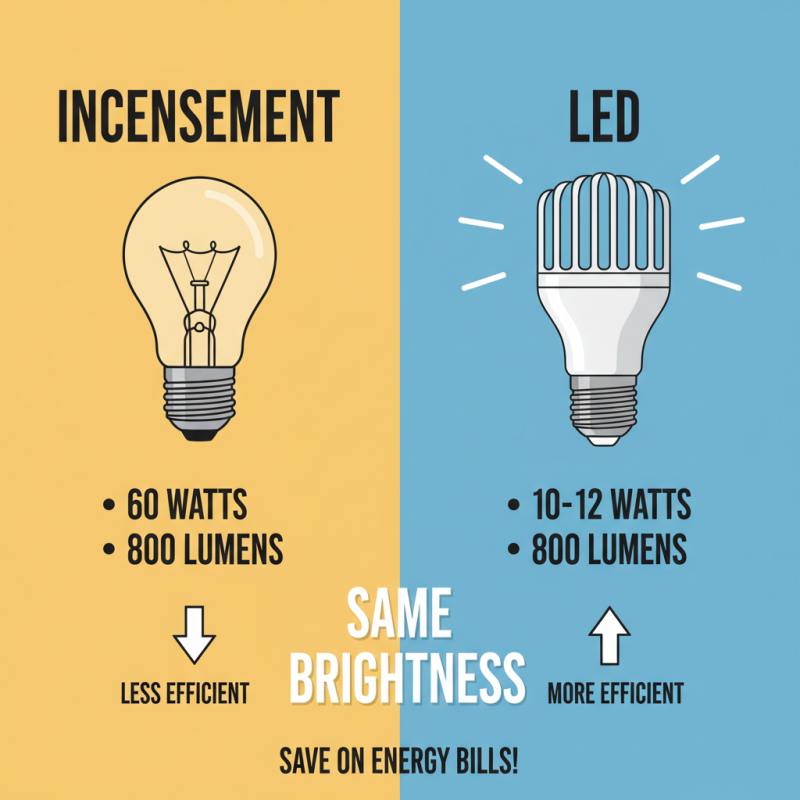
When selecting light bulbs, brightness and energy efficiency are key factors. Brightness is measured in lumens. Higher lumens mean brighter light. For example, a standard 60-watt incandescent bulb provides about 800 lumens. In contrast, an LED bulb can produce the same brightness while using only 10-12 watts. This can lead to significant savings on energy bills.
Energy efficiency ratings matter too. The U.S. Department of Energy reports that LED bulbs use at least 75% less energy than traditional bulbs. This can reduce your lighting costs significantly over time. However, many people still choose incandescent bulbs due to their warm light quality. It's a common reflection: people know the benefits but often stick to what they're used to.
Choose bulbs that suit your space. A living room may need softer light, while a kitchen benefits from brighter lighting. Some bulbs come with adjustable brightness settings. Yet, this versatility can lead to confusion. Consider the color temperature as well, measured in Kelvin. Warmer light (2700K) can create a cozy atmosphere, while cooler light (5000K) is ideal for task-oriented spaces. Balancing these factors is essential for a well-lit home.
Choosing the Right Color Temperature for Ambiance and Functionality
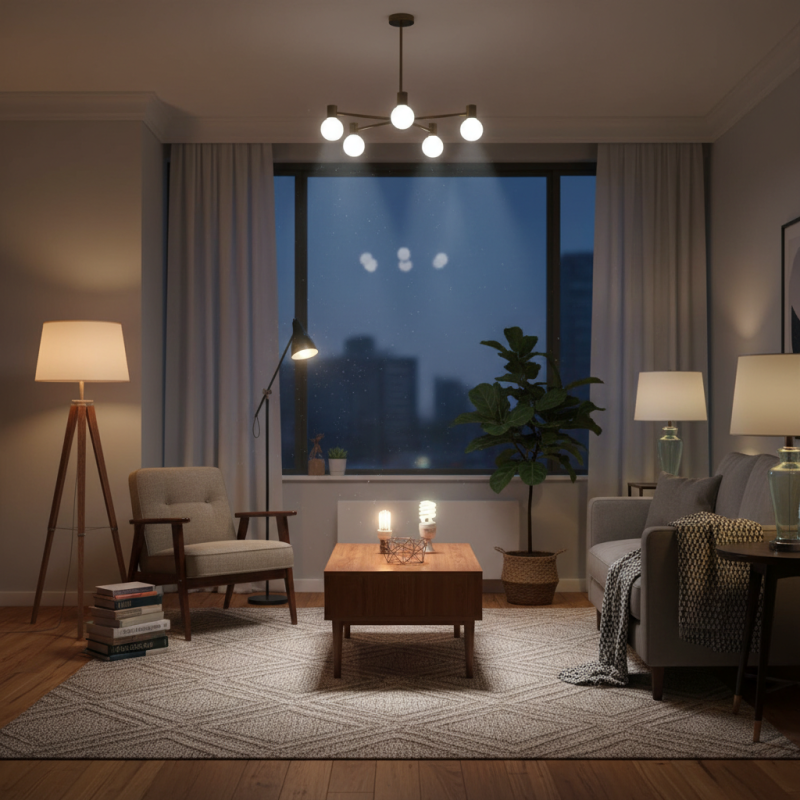
Choosing the right color temperature for your light bulbs can dramatically affect your home's atmosphere. Color temperature is measured in Kelvin (K). A lower temperature, around 2700K, emits a warm, cozy glow ideal for living rooms and bedrooms. This hue encourages relaxation and comfort. On the other hand, cooler temperatures, like 5000K, mimic daylight. These are perfect for kitchens or workspaces, as they enhance focus and productivity.
However, picking the right color can be tricky. Some might find the bright white light harsh in a bedroom. It may lead to sleepless nights and discomfort. Not every room needs the same lighting. Think about the activities you'll do in each space. If you often read or work, a cooler temperature might be beneficial. But if you host family dinners, opt for warmer tones that create an inviting atmosphere.
Experimenting is key to finding the right palette for your home. Test out different bulbs and observe how they change the room's feel at various times. Consider how colors appear under different lighting. Sometimes, a bulb may seem perfect in-store but fails to deliver the expected vibe once installed. Don't hesitate to adjust and try again until you find the ideal fit.
Assessing Lifespan and Cost Considerations for Long-Term Savings
Choosing the right light bulbs involves more than light quality.
Lifespan and cost are crucial factors for long-term savings.
Many homeowners overlook these aspects, focusing primarily on brightness or color.
Understanding potential savings can lead to smarter decisions.
LED bulbs, for instance, last about 25,000 hours.
This is significantly longer than traditional incandescent bulbs, which last only around 1,000 hours.
Data shows that switching to LED can save up to 75% on energy costs. However, the initial price for LED bulbs might seem high.
Many people hesitate, thinking they won’t recover their investment.
This perception can hinder energy efficiency and cost savings.
Consider your usage patterns. If you use lights for several hours daily, switching bulbs makes sense.
You might spend more upfront but save in the long run. Sometimes, it feels overwhelming to calculate these figures.
The decision doesn’t have to be perfect. Assess your needs and evaluate potential savings.
Reflect on what works best for your home and budget.
Exploring Smart Lighting Options for Modern Home Automation
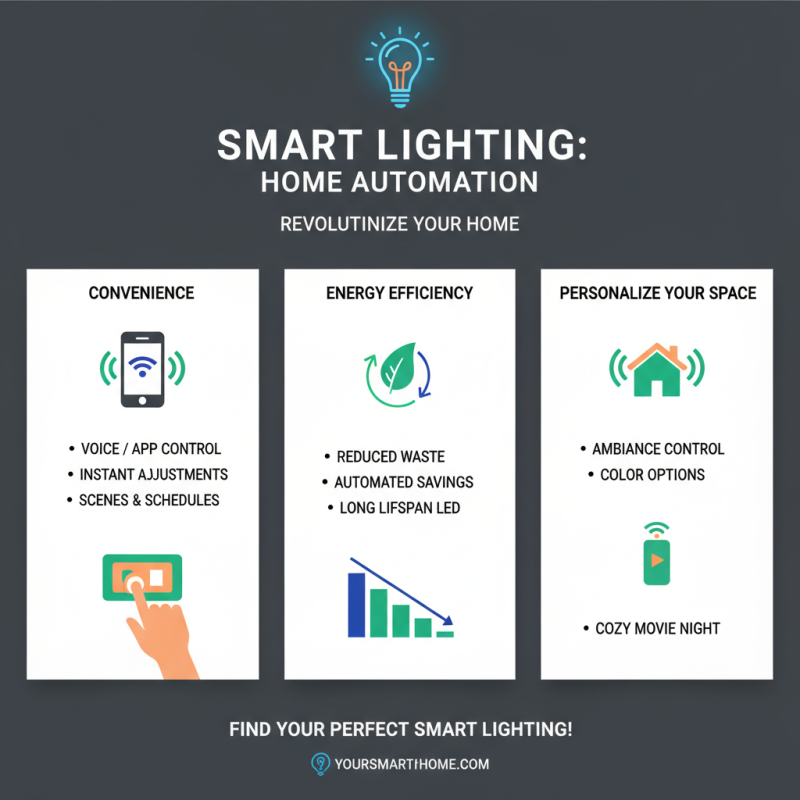
Smart lighting options have revolutionized home automation. They not only offer convenience but also enhance energy efficiency. With various choices available, it’s essential to consider what fits your lifestyle. Smart bulbs can be controlled via voice commands or smartphones. This flexibility allows for quick adjustments throughout the day. Imagine dimming the lights for a cozy movie night with just a simple command.
When exploring smart lighting, consider compatibility with your existing systems. Not all smart bulbs work with every device. Check if your setup supports the latest technologies. It’s important to think about the color temperature as well. Warm tones create a relaxing atmosphere, while cool tones can boost productivity.
Tips: Try smart bulbs that offer customizable colors. Select options that sync with your routines. Changing colors can invigorate your space or help you unwind. Experimenting with various settings may lead to discoveries about what you love. It’s okay if it takes time to find the perfect match. Home lighting significantly impacts mood, so take the journey to find what feels right for you.
Related Posts
-
Light Bulbs Market Forecast 2025: 7 Insights and Tips for Global Buyers to Succeed
-
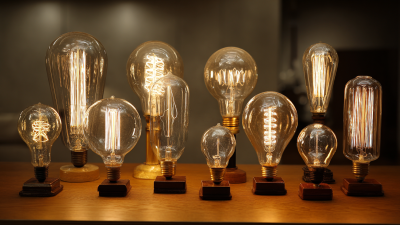
The Science Behind Different Types of Light Bulbs and Their Impact on Your Home
-

How China's Manufacturing Thrives Amidst US-China Tariff Challenges: The Rise of Best Lighting Solutions
-

Maximizing Return on Investment with LED Light Panels through Superior Support and Cost Efficient Repairs
-
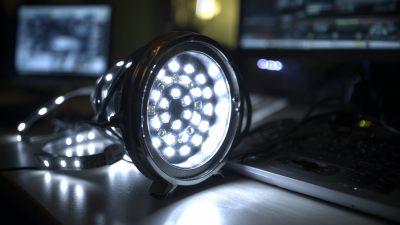
Understanding the Advantages of Choosing the Best Small LED Lights for Your Needs
-

How to Choose the Right Parking Lot Lights for Your Business Needs