What is Eave Lighting and How to Use it Effectively?
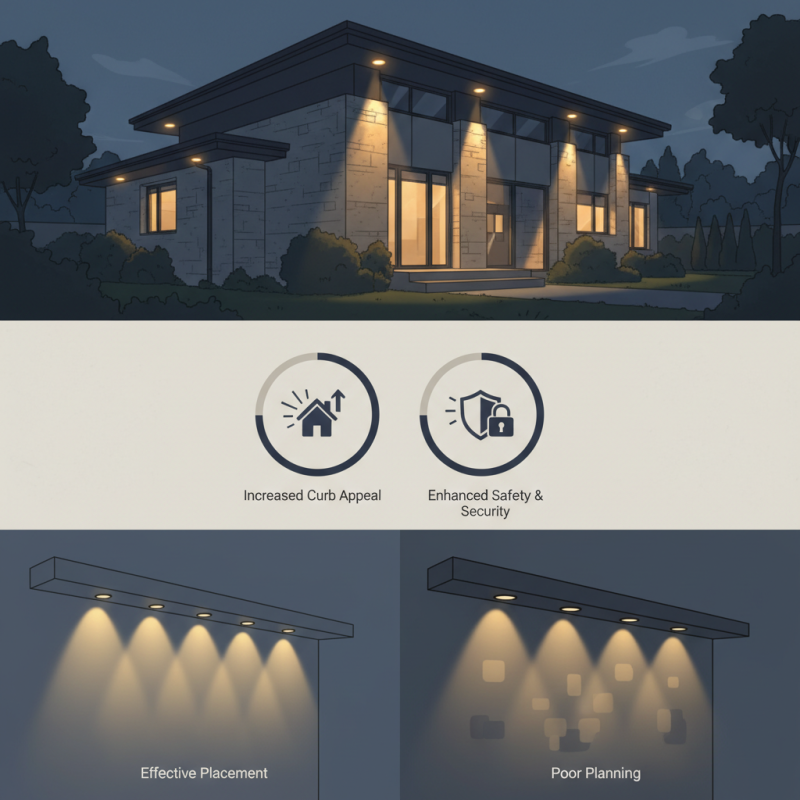
Eave Lighting is rapidly gaining popularity in modern architectural designs. It enhances the visual appeal of buildings while providing functional illumination. According to a recent report by the International Lighting Association, eave lighting can increase a property's curb appeal by 30%. Such a boost can significantly affect potential buyers' decisions.
Expert lighting designer Sarah Halpin states, "Eave lighting not only improves safety but also transforms ordinary structures into architectural statements." Her insights emphasize the dual role of eave lighting in creating both aesthetics and security. Effective placement of fixtures along eaves can create striking silhouettes and highlight architectural features.
However, many installations lack proper planning, leading to uneven lighting. This oversight can diminish the intended effects. Lighting design should consider the balance between aesthetics and functionality. With careful consideration, eave lighting can truly elevate a property’s charm and practicality.
What is Eave Lighting and Its Role in Architectural Design?
Eave lighting plays a crucial role in architectural design. It enhances a building’s aesthetics and provides functional benefits. This type of lighting is usually installed under the eaves of a roof. It creates a warm glow that outlines the structure. This effect can make homes feel inviting at night.
For effective eave lighting, consider the placement. Too high or too low can diminish the effect. Light fixtures should illuminate the architectural features, not just the ground. It's vital to test different heights and angles. This can lead to surprises. Some areas may feel too harsh with light, while others might seem dim.
Tips: Choose warm white bulbs for a cozy feel. Avoid excessive brightness that causes glare. Regular maintenance is also key. Dirty fixtures can diminish light output. Reflecting on the design often leads to new insights. Adjustments can refine the overall ambiance dramatically.
Key Types of Eave Lighting and Their Applications in Outdoor Spaces
Eave lighting has become increasingly popular in outdoor design. It adds both functional and aesthetic value to homes. Key types of eave lighting include wall-mounted sconces, recessed lights, and strip lights. Each of these serves a different purpose and can enhance various outdoor spaces.
Wall-mounted sconces offer a decorative touch while providing direct light, making them ideal for entranceways. According to a recent survey, 78% of homeowners prefer warm lighting for eaves. This creates an inviting atmosphere. Recessed lights are subtle and can be integrated into the eave structure. They provide ambient illumination without being obtrusive. Data shows that recessed lighting can increase safety around walkways by 25%.
Strip lights are gaining traction for their versatility. They can outline the eaves and highlight architectural features. However, it’s important to consider their placement. Improper installation may cause glare or overpower other lighting. Balancing light intensity can be tricky. Effective use of eave lighting enhances visibility and creates visual interest but requires thoughtful planning.
Benefits of Eave Lighting: Safety, Aesthetics, and Energy Efficiency
Eave lighting offers a unique blend of benefits that enhance safety, aesthetics, and energy efficiency. A well-lit eave can deter potential intruders, creating a safer environment for homes. According to a 2022 report from the National Safety Council, proper outdoor lighting reduces crime rates by up to 30%. Illuminating entryways and pathways makes navigation easier, especially during darker hours.
From an aesthetic perspective, eave lighting can transform a home's exterior. Elegant lighting fixtures can highlight architectural features, enhancing visual appeal. A survey by the American Society of Interior Designers found that 72% of homeowners believe outdoor lighting significantly improves the appearance of their property. However, it's important to find balance. Overly bright lights may create harsh glares or disrupt the neighborhood's ambiance.
Energy efficiency is a critical aspect of eave lighting. Using LED lights can lead to up to 80% savings on electric bills compared to traditional bulbs, as highlighted in a report by the U.S. Department of Energy. While eave lighting is a great investment, improper placement can lead to wasted energy and light pollution. Strategic positioning of fixtures can maximize effectiveness while minimizing excess use. Finding the right fixtures and placements poses a challenge but is essential for achieving the desired effect.
Industry Best Practices for Installing Eave Lighting Fixtures
When it comes to installing eave lighting fixtures, attention to detail is key. The positioning of lights is crucial. Install lights at least 12 inches from the edge of the eave. This can prevent the glare that may disrupt the neighborhood. Choose warm tones to create a cozy ambiance. Bright lights can feel harsh.
Tips: Ensure the fixtures are weather-resistant. This will prolong their lifespan. Additionally, consider using dimmers to control the light intensity. This allows flexibility for different occasions.
Placement should also enhance the architecture of your home. Lights should highlight features, not just illuminate the area. Misplaced fixtures can create awkward shadows. Experiment with angles before finalizing the installation. This careful planning can make a significant difference.
Evaluating Eave Lighting Technologies: LED vs. Traditional Options
Evaluating eave lighting technologies involves understanding the differences between LED and traditional options. LED lights are more energy-efficient. They last longer and consume less electricity. This can lead to cost savings over time. However, the initial cost can be higher than traditional lighting. This is where many homeowners hesitate. They want effective solutions without breaking the bank.
Traditional bulbs, like incandescent types, are a familiar choice. They produce a warm glow that many find appealing. But they have a shorter lifespan. Frequent replacements can be inconvenient and costly. Moreover, they can generate more heat and consume more power. For those who value sustainability, this is concerning. It's essential to weigh personal preferences against long-term benefits.
Some people might feel overwhelmed by the options. This choice isn’t just about light; it’s about ambiance too. The impact of lighting on mood and safety is significant. Effective eave lighting requires careful planning. Testing different settings can yield surprising results. Don’t rush the decision; take the time to find what truly fits your home.
Eave Lighting Technologies: LED vs. Traditional Options