High Flow Solar Pump Tips for Efficient Water Management?
Efficient water management is crucial in agriculture and other sectors. High Flow Solar Pumps are leading the way in sustainable solutions. According to the International Renewable Energy Agency, solar energy is the fastest-growing segment of the renewable sector. It provides accessible and reliable solutions for various water demands.
High Flow Solar Pumps use solar panels to power water movement. They significantly reduce operational costs compared to traditional pumps. A study by the World Bank highlights that solar-powered systems can decrease reliance on diesel generators, resulting in lower emissions. However, selecting the right pump requires careful consideration of system design and water needs.
Despite the advantages, challenges exist. Installation can be complex, and maintenance is critical for performance. Some users report inefficiencies due to improper sizing or orientation of solar panels. These issues can lead to underperformance. Insights from industry experts emphasize the importance of customization and regular assessment to maximize efficiency and output.
Understanding High Flow Solar Pumps and Their Applications
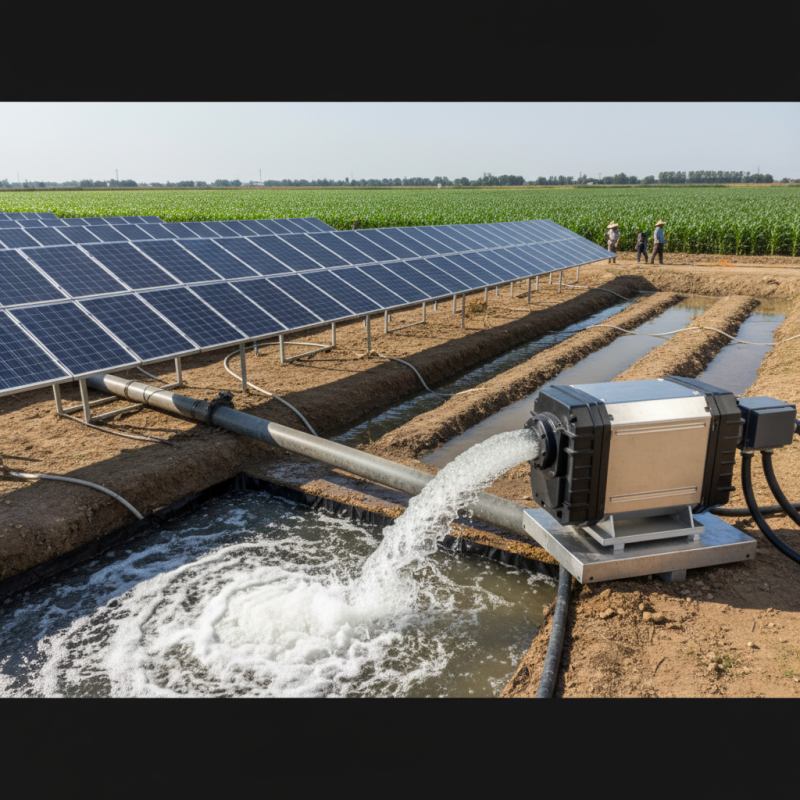
High flow solar pumps are a cutting-edge solution for efficient water management. These systems harness solar energy to power pumps, making them eco-friendly and cost-effective. They are particularly useful in agricultural settings, where water availability is crucial. High flow solar pumps can deliver significant volumes of water quickly, supporting irrigation needs.
Understanding the specific applications of high flow solar pumps is essential. These pumps can be used in remote areas with limited access to electricity. Farmers can benefit from solar pumps to maintain irrigation schedules, reducing dependency on conventional fuels. However, installation requires careful planning. Site assessment is needed to ensure optimal solar exposure and system efficiency.
While these pumps have many advantages, they are not without challenges. Initial costs can be higher than standard electric pumps. Additionally, varying sunlight conditions may affect performance. Users should consider these factors before making a decision. Field experience shows that ongoing maintenance is also critical to ensure longevity.
Adopting new technologies like high flow solar pumps can greatly impact water management; however, evaluation and support are key to success.
Key Components of High Flow Solar Pump Systems
When considering high flow solar pump systems, understanding the key components is essential for maximizing efficiency. Solar panels provide the energy needed to power the pump. The quality of these panels directly influences the system's overall performance. Investing in reliable solar technology is crucial. Not all panels perform equally, especially in varying weather conditions.
The pump itself plays a vital role. High flow pumps must handle significant water volumes. Choose pumps designed for your specific needs. Look for features that enhance durability and corrosion resistance. This choice can impact maintenance needs over time. Additionally, incorporating a controller is important. It optimizes energy use based on sunlight availability, improving efficiency.
Another aspect often overlooked is the piping system. Selecting the right diameter can prevent pressure loss. This affects how effectively water reaches its destination. Installations should be planned carefully to avoid sharp bends. Reflect on these aspects regularly. An efficient setup may require adjustments as conditions change. Addressing these areas can significantly improve water management strategies in various applications.
Benefits of Using High Flow Solar Pumps for Water Management
High flow solar pumps are revolutionizing water management. These systems harness solar energy to provide ample water supply for irrigation and livestock. Their ability to move large volumes of water efficiently can significantly enhance agricultural productivity. Farmers are increasingly relying on these pumps, as they reduce dependency on conventional power sources.
The benefits of using high flow solar pumps extend beyond simple water delivery. They can lower operational costs, minimizing the need for fuel or electricity expenses. Such pumps can also be installed in remote locations, making them invaluable in areas with limited infrastructure. The robustness of these systems often means lower maintenance needs, but they still require careful monitoring. Occasionally, users find themselves grappling with efficiency issues, especially in low sunlight periods.
Ultimately, while the advantages are clear, potential users must remain aware of their specific water requirements and local climate conditions. Tailoring the system to specific needs can enhance positive outcomes. Cultivating knowledge about installation and operation is crucial. Users should consider seeking expert advice to navigate the complexities of solar pump systems effectively.
High Flow Solar Pump Efficiency Comparison
In this chart, we compare the efficiency of high flow solar pumps with conventional pumps across various dimensions, showcasing the benefits of solar pumps in water management.
Maintenance Tips for Optimal Performance of Solar Pumps
Maintaining a solar pump is essential for its efficiency and longevity. Regular checks can prevent larger issues down the road. Start by inspecting the solar panels for dirt or debris. A clean surface allows for maximum sunlight absorption. Use a soft cloth to wipe them down.
Next, monitor the water intake. Ensure there are no blockages in the pump or filters. Clogged parts can lead to overheating and potential failure. Periodic cleaning helps maintain robust water flow. Also, check the connections and cables for corrosion. Electricity and moisture can create problems if left unaddressed.
Consider seasonal maintenance practices as well. In colder months, protect the pump from freezing temperatures. Insulation or proper positioning can help. Analyze performance data regularly to identify any drops in efficiency. If something seems off, investigate immediately. Small issues can escalate quickly in solar systems. Focus on these areas for better performance and reliability.
Energy Efficiency and Cost Savings with Solar Pump Systems
Solar pump systems have gained attention for their energy efficiency and cost savings. According to a report by the International Renewable Energy Agency (IRENA), solar pumps can reduce operating costs by up to 80%. This is primarily due to their reliance on solar energy, which is free and abundant. These systems are particularly useful in remote areas where electricity supply is inconsistent or unavailable.
Implementing solar pumps allows farmers to optimize water management. A study from the Food and Agriculture Organization (FAO) highlights that efficient water usage can increase crop yields by 30%. This is crucial in regions facing water scarcity. However, initial installation costs can be a barrier. Research shows that while investment can be significant, long-term savings make it worthwhile. Lifetime savings can surpass initial costs within a few years.
Despite these advantages, some challenges persist. Not all solar pumps perform equally well. Variability in sunlight can affect efficiency. Additionally, maintenance and proper sizing are critical for optimal results. Investing in a solar pump system requires a thorough understanding of local conditions. Therefore, careful planning and assessment are vital to maximize benefits.
High Flow Solar Pump Tips for Efficient Water Management | Pump Type | Flow Rate (L/min) | Power Consumption (W) | Solar Panel Size (W) | Cost Savings ($/year) |
| Submersible Pump | 100 | 300 | 500 | 150 |
| Surface Pump | 120 | 350 | 600 | 160 |
| Jet Pump | 80 | 250 | 400 | 140 |
| Centrifugal Pump | 150 | 400 | 800 | 200 |