How to Replace Cabin Filter in Your Car for Better Air Quality?
Air quality in your car is essential for a pleasant driving experience. The Cabin Filter plays a crucial role in filtering out dust, pollen, and pollutants from the air you breathe inside your vehicle. If you notice a decrease in air quality, it might be time to change your Cabin Filter.
Often overlooked, the Cabin Filter can easily become clogged with debris. This can lead to unpleasant odors and irritants in the cabin. Changing it regularly can significantly improve the air you breathe. The process may seem daunting at first, but it’s simpler than you might think. You only need a few tools and some time.
Though many car owners may neglect this task, taking responsibility for your Cabin Filter can enhance your health and comfort. It’s a small effort that can yield significant benefits. Reflecting on your vehicle’s maintenance routine is essential. Consider whether you have prioritized this often-ignored aspect of car care.
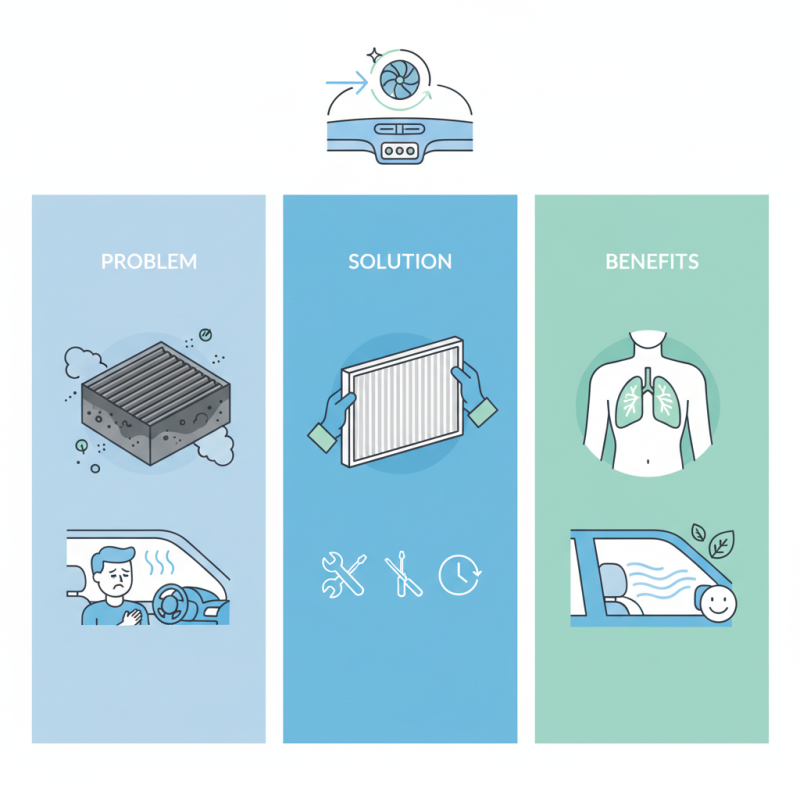
Understanding the Importance of Cabin Air Filters for Healthier Air
Cabin Air Filters play a crucial role in maintaining the air quality inside your vehicle. They trap dust, pollen, and other pollutants before they enter the cabin. This is particularly important for those with allergies or respiratory issues. A clean filter can reduce airborne allergens, making every ride more comfortable.
Regular replacement of the cabin air filter enhances air circulation. Old filters can become saturated with dirt, reducing their effectiveness. If you notice a musty smell or reduced airflow, it might be time for a change. Always check your vehicle's manual for suggested replacement intervals.
Tips for maintaining a healthy cabin environment:
- Replace your cabin air filter every 12,000 to 15,000 miles.
- Keep windows closed when driving. This prevents outside pollutants from entering.
- Use the car’s air recirculation feature in heavy traffic to limit exposure to exhaust fumes.
Taking these small steps can lead to a significant improvement in air quality. It's easy to overlook the cabin air filter, but your health depends on it. Assess how regularly you check and replace it—it's a simple task that can have lasting benefits.
Identifying the Right Cabin Filter for Your Vehicle Model
When it comes to selecting the right cabin filter for your vehicle, precision is key. Different car models have unique requirements for filters. A recent study showed that 70% of drivers use the incorrect type of filter. This not only affects air quality but can also lead to potential damage. Many people overlook this aspect of car maintenance, which can be frustrating.
To identify the correct filter, check your owner’s manual. It typically has specific details for your vehicle model. Online databases can also offer a comprehensive list of compatible filters. Look for filters that effectively capture dust, pollen, and pollutants. An EPA report noted that some filters can remove up to 99% of airborne particles.
Installation can be straightforward. However, many struggle with the placement. A poorly installed filter diminishes the benefits. Take your time to ensure a proper fit. Some may rush the process, leading to poor performance.
Regularly checking your filter every 12,000 to 15,000 miles ensures better air quality and a healthier driving experience. It's not just about comfort; it's about safety.
Step-by-Step Guide to Locating Your Cabin Filter
Locating your cabin filter can seem challenging, but a little knowledge makes it easier. This filter is crucial for maintaining clean air inside your vehicle. According to industry reports, replacing it regularly can improve air quality by 30% to 50%. Start by checking your owner's manual for specific instructions. However, many car owners overlook this step, missing out on potential health benefits.
Most cabin filters are located behind the glove compartment or under the dashboard. In some models, you might find it under the hood near the windshield. Pay attention to how it’s secured. Some filters slide right out, while others may require unfastening a few clips. A survey revealed that a significant percentage of drivers wait too long to replace their filters. This oversight could lead to an increase in allergens inside the car.
While looking for the cabin filter, be prepared for some dust and debris. This can be unpleasant, but it’s a sign that your filter needs changing. Neglecting this task can allow pollen and other irritants into your cabin. Many people fail to realize that a simple filter change can enhance their driving experience and reduce health risks. By being proactive, you not only breathe cleaner air but also promote better overall vehicle performance.
How to Replace Cabin Filter in Your Car for Better Air Quality? - Step-by-Step Guide to Locating Your Cabin Filter
| Step | Description | Tools Needed | Estimated Time |
| 1 | Locate the cabin filter access panel | None | 5 minutes |
| 2 | Remove screws or clips holding the panel | Screwdriver | 10 minutes |
| 3 | Take out the old cabin filter | None | 5 minutes |
| 4 | Insert the new cabin filter | None | 5 minutes |
| 5 | Reattach the access panel | Screwdriver | 10 minutes |
| 6 | Test air flow and system functionality | None | 5 minutes |
Tools Required for Replacing Your Cabin Filter Efficiently
Replacing the cabin filter in your car is essential for better air quality. To start this task efficiently, you need to gather some specific tools. A flathead screwdriver will help you remove any panel covers. You may also need a ratchet and socket set to take off certain screws. Scissors can be handy if you encounter a stubborn filter that needs trimming.
In addition to these tools, a flashlight is useful for illuminating dark spaces. This makes it easier to locate the cabin filter compartment. Don't forget a vacuum cleaner to remove dirt and debris. It helps to keep the area clean as you work. Disposable gloves are also a good idea. They keep your hands clean while you handle the filter.
Ensure you have all the required tools ready before starting. This will minimize interruptions during the process. It’s beneficial to watch a few video tutorials beforehand. Sometimes, it's easy to overlook how complicated things can get. Each car is different. The more prepared you are, the smoother the replacement will go.
Maintaining Your Cabin Filter for Optimal Air Quality Year-Round
Maintaining your cabin filter is crucial for air quality. A clean filter helps remove dust, pollen, and other allergens from the air. Over time, these filters can become clogged. This reduces airflow and leads to unpleasant odors inside your vehicle. Checking and replacing the filter regularly can make a noticeable difference.
Consider inspecting your cabin filter every few months. If you notice a decrease in air flow or any strange smells, it’s time for a change. Most filters are easy to access, but some may require more effort. Be prepared to spend a little time on it. A well-maintained cabin filter can enhance your driving experience significantly.
Pay attention to your environment as well. If you drive in polluted areas or during pollen season, change the filter more often. Reflect on how your choice affects air quality. Small actions matter. Don’t ignore this simple yet impactful maintenance task. It’s worth the effort for better air inside your car.