
7 Tips for Buying Exothermic Welding Powder
Buying Exothermic Welding Powder is a small purchasing decision with consequences that can last for decades. A sound weld depends on more than price: the charge must suit the conductor size, mold design, and connection type. Moisture control matters, too. A damp or poorly stored package can create uncertainty right where a reliable bond is needed.
Infrastructure reports help explain why careful sourcing matters. The International Energy Agency’s Electricity Grids and Secure Energy Transitions (2023) estimates that 80 million kilometres of grids may need to be added or replaced by 2040. That figure describes grid infrastructure, not demand for welding powder. Still, it points to the scale of long-lived electrical connections being built and maintained. For grounding applications, IEEE Std 837-2014 sets qualification requirements for permanent connections used in substation grounding systems. Buyers should therefore check whether a product’s documentation and intended application align with relevant project requirements.
The details are practical: confirm charge size, conductor compatibility, packaging condition, batch identification, and storage instructions. Ask for technical data and traceability records, not just a low quotation. A cheaper package may be a sensible choice. Only if its performance and documentation fit the job. This guide’s seven tips focus on those checks, helping buyers compare suppliers without treating every powder as interchangeable. One caution remains: a datasheet cannot replace a qualified installer’s judgment or the project specification. When product claims are vague, pause and verify them. That extra call can prevent a costly mismatch.
Understand How Exothermic Welding Powder Works
Exothermic welding powder is a measured reactive charge, not ordinary filler metal. In a common copper process, aluminum reduces copper oxide, releasing heat and producing molten copper and aluminum oxide slag. The liquid copper fills the mold cavity and solidifies around prepared conductors, creating a metallurgical joint without an external power supply. Chemistry varies by application, so charges are not interchangeable.
Temperature explains why clean setup matters. NIST’s Chemistry WebBook gives copper’s melting point as 1,357.77 K, or about 1,085°C. The reaction must create enough heat to melt copper, while the mold contains the liquid metal and slag. Check that the charge designation matches the conductor material, size, and mold. Small mismatches matter. Damp molds, dirty conductor surfaces, or an incorrect charge can compromise the connection; follow the process instructions and use suitable protective equipment.
The finished joint depends on more than powder chemistry. IEC 62561-1:2023 specifies performance requirements for metallic connecting components used in lightning protection systems, including electrical and mechanical properties. That is useful context, but it does not certify every powder or installation. Inspect the product’s technical documentation, storage conditions, and compatibility information before buying. I would also check whether instructions clearly explain conductor preparation and mold use. Those details are easy to overlook, and they affect the result.
Match the Powder to the Conductor and Connection
Match the powder charge to the conductor material, size, and connection geometry—not just the mold label. A powder intended for copper may not suit a different conductor or a copper-to-steel connection. Check the manufacturer’s technical specification for approved conductor combinations and charge size. A loose fit or an oversized conductor can change the weld cavity and produce an uneven joint. Small differences matter.
Conductor size is only part of the match. Solid and stranded conductors can behave differently in the mold, so confirm the connection type and strand configuration before purchase. The Copper Development Association identifies annealed copper as 100% IACS conductivity at 20°C, a useful reference when comparing copper conductor specifications. But conductivity alone does not verify a sound weld. IEEE Std 837-2014 sets qualification criteria for permanent grounding connections, including electrical and mechanical performance. Use those criteria to guide supplier questions, not as a substitute for checking compatibility. I would also verify the powder lot and instructions; I’ve seen careful selections go wrong when the conductor details were assumed rather than measured. Not always obvious. A quick check of conductor diameter, material, and connection drawing can prevent a mismatched charge from reaching the job site.
7 Tips for Buying Exothermic Welding Powder - Match the Powder to the Conductor and Connection
| Tip | What to Match | Selection Guidance | What to Verify Before Buying |
|---|---|---|---|
| 1. Identify the conductor materials | Conductor material and material combination | Choose a powder system specified for the exact combination, such as copper-to-copper or copper-to-steel. Different base metals require compatible connection procedures. | Confirm that the product documentation explicitly lists both materials. Do not assume a copper-to-copper charge is suitable for copper-to-steel work. |
| 2. Match conductor size and construction | Wire or cable size, strand count, and conductor shape | Selection depends on the conductor dimensions and how it sits in the connection mold. Solid conductors, stranded cables, rods, and flat conductors may require different mold configurations. | Use the specified conductor-size range and connection chart. Do not choose a charge by wire gauge alone. |
| 3. Specify the connection geometry | Connection type and mold cavity | Common configurations include cable-to-cable, cable-to-ground rod, cable-to-steel surface, and cable-to-rebar. The connection shape affects the mold and charge selection. | Match the powder selection to the exact connection drawing and compatible mold cavity, not just to the conductor material. |
| 4. Select the charge size from the system chart | Charge size for the approved mold and conductor combination | Charge amounts are application-specific. The mold design, conductor dimensions, and connection geometry all influence the required charge. | Follow the manufacturer’s charge chart for the exact mold and connection. Avoid estimating or substituting a charge based only on another job’s requirements. |
| 5. Check the intended electrical application | Grounding, bonding, or other specified electrical connection | Use a connection system designed and documented for the project’s electrical and mechanical requirements. The suitability of a connection depends on the complete tested procedure, not powder alone. | Review applicable project specifications, installation instructions, and required inspection or testing criteria. |
| 6. Check packaging and storage condition | Sealed packaging, lot identification, and storage instructions | Exothermic welding materials should be kept dry and handled according to their product instructions. Moisture or damaged packaging can compromise safe, consistent use. | Inspect packages for damage or signs of moisture, check lot and date information where provided, and store the material as directed. |
| 7. Confirm procedure and safety requirements | Training, mold condition, and job-site controls | Use the specified powder only with its compatible mold and documented procedure. Exothermic welding involves high temperatures and requires appropriate personal protective equipment and fire precautions. | Ensure workers are trained, the mold is clean and in good condition, and the work area follows the product instructions and site safety rules. |
Check Product Quality, Specifications, and Packaging
When buying exothermic welding powder, start with the product documents, not the price alone. Confirm the powder suits your conductor size, connection type, and mold system. Compare the stated charge size and reaction guidance with the job specification. Request a current technical data sheet, safety data sheet, and lot identification. Small details matter. Terms such as “standard grade” do not establish suitability by themselves.
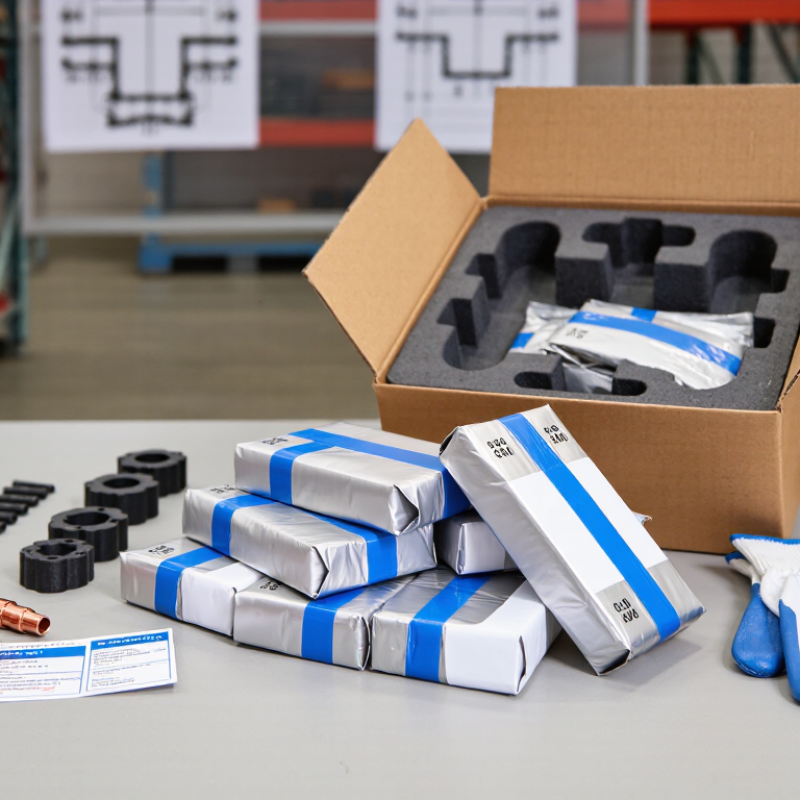
Check that the package is sealed, dry, and clearly labeled. Look for a product name or type, lot number, net weight, and storage instructions. Dampness, torn seals, or powder leaking inside a carton are reasons to pause and contact the supplier. Keep packages away from moisture and follow the stated storage conditions. A neat box is reassuring, but it cannot prove the powder’s quality.
Before ordering in volume, compare the documents and packaging details with the actual installation requirements. If specifications are missing or inconsistent, ask for clarification rather than guessing. That small delay can prevent a mismatched charge or wasted material. A checklist helps, though it may not catch every issue; review unusual site conditions with a qualified welding professional.
Evaluate Supplier Reliability and Safety Documentation
When buying exothermic welding powder, assess supplier controls as carefully as price and delivery time. Ask for a current safety data sheet, a lot-specific certificate of analysis, batch traceability, and written storage and handling instructions. Check that hazard classifications and emergency measures match across the label, safety data sheet, and shipment. Paperwork matters.
NFPA’s 2020 report, Structure Fires Started by Hot Work, estimated 4,580 hot-work-related structure fires annually in the United States, based on 2013–2017 data. This figure covers hot work broadly, not exothermic welding powder alone, but it underscores the value of credible safety controls.
Ask how the supplier investigates complaints, handles damaged containers, and communicates specification changes. Request test records that identify the batch, method, and acceptance limits; a generic certificate may not establish that a shipment meets its stated specifications.
I would still compare a sample shipment with its documents, even when the supplier seems established. That check can feel fussy. Yet a missing batch link is hard to fix at the job site.
Compare Costs, Storage Needs, and Delivery Options
When comparing exothermic welding powder, look beyond the price printed on the carton. A low unit cost may hide minimum-order quantities, handling charges, or expensive freight. Compare the total delivered cost per weld, using the correct powder charge and any required accessories. Check the details. Powder that does not match your conductor and mold can cost more through wasted material and rework. It is tempting to choose the cheapest offer. I would pause there.
Storage needs affect the real cost, too. Ask the supplier for the product’s storage conditions and shelf-life guidance, then follow the manufacturer’s instructions. Keep containers sealed and store them in a dry, controlled area when specified. Check batch numbers and dates when stock arrives. Older stock is not automatically unusable, but guessing is a poor inventory plan. A simple stock log helps prevent forgotten cartons at the back of a shelf.
Delivery options matter when a crew has a scheduled installation. Confirm current stock, dispatch times, shipping charges, and whether partial deliveries are available. Ask how damaged or delayed shipments are handled, and inspect packaging on arrival. For remote sites, allow extra time; estimates can slip. Compare suppliers using the same quantities, delivery location, and product specifications. That comparison may take a few minutes, but it gives a clearer picture than a price list alone.
7 Tips for Buying Exothermic Welding Powder
Compare Costs, Storage Needs, and Delivery Options
Use this checklist to compare supplier quotes. Bars count the specific details to verify in each category—not market prices or supplier ratings. Confirm product-specific storage and shipping requirements in the supplier’s documentation.
