Top 10 Commercial Outdoor Lighting Solutions for Your Business?
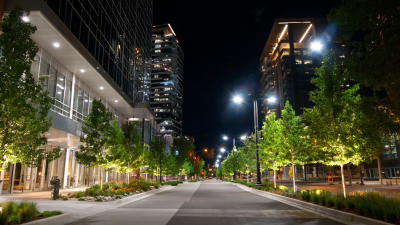
In today’s competitive business environment, effective Commercial Outdoor Lighting is essential. According to a report by the Illuminating Engineering Society, businesses can increase foot traffic by up to 35% with adequate lighting. Well-designed outdoor lighting enhances safety and creates an inviting atmosphere, encouraging customers to return.
However, many businesses overlook the importance of a comprehensive outdoor lighting strategy. Poor lighting can lead to safety hazards and deter potential patrons. A survey from the National Retail Federation indicates that over 30% of retail theft occurs in poorly lit areas. This highlights the need for a reliable lighting solution to protect both customers and property.
Investing in the right Commercial Outdoor Lighting solutions is not just about aesthetics. It involves selecting energy-efficient options that reduce costs and environmental impact. Yet, with so many choices, businesses often face challenges in making informed decisions. Understanding the latest technologies and trends in outdoor lighting will empower businesses to enhance their visibility and safety effectively.
Top 10 Commercial Outdoor Lighting Solutions for Your Business
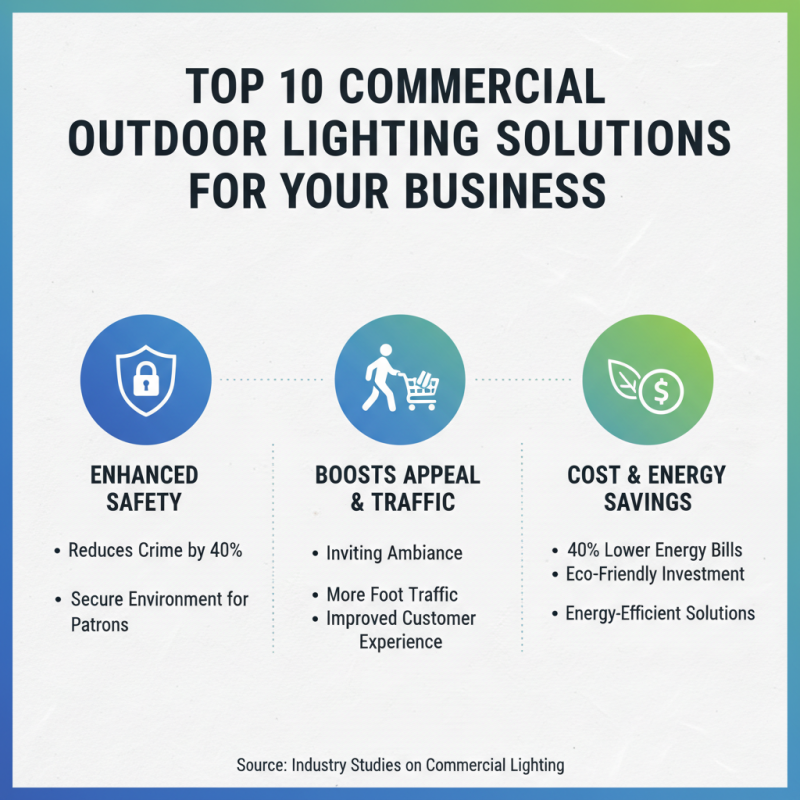
Choosing the right outdoor lighting for your business can significantly impact both safety and aesthetics. Studies show that well-lit environments can reduce crime rates by up to 40%. Furthermore, the right lighting enhances customer experience, bringing in more foot traffic. Using energy-efficient lighting can lower energy costs by 40%, making it an excellent investment.
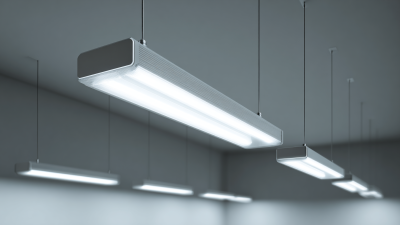
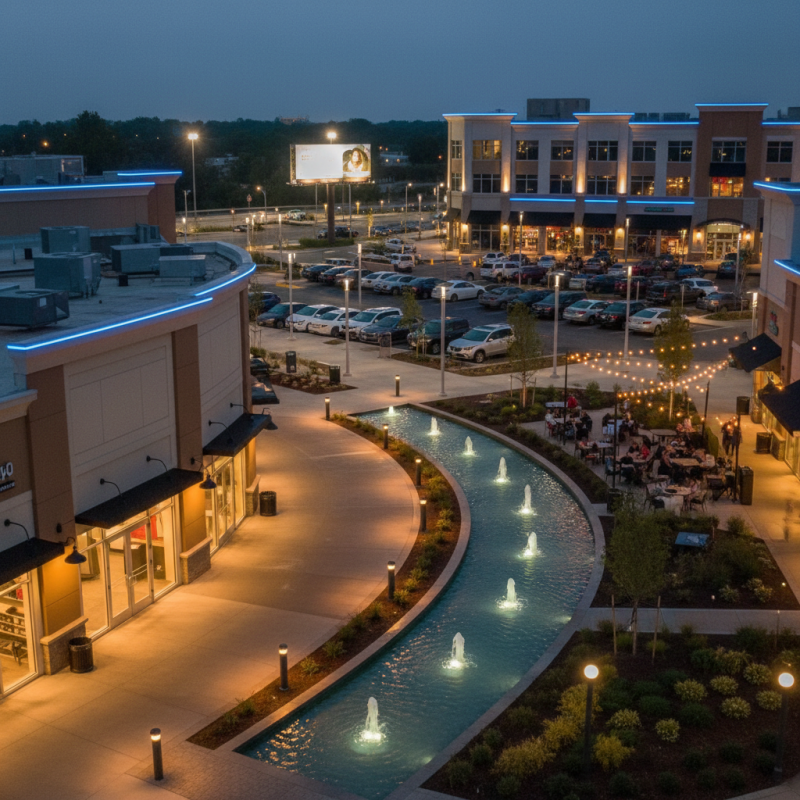
When planning your outdoor lighting, consider LED fixtures. They last longer and consume less energy than traditional bulbs. This not only saves money but also reduces maintenance costs. Additionally, think about creating different lighting layers. Pathway lights, wall sconces, and spotlights can guide customers and showcase your business's features.
Tips: Assess your property’s unique needs. Each business may require a different lighting strategy. For an extra touch, incorporate smart lighting systems. They offer flexibility in dimming or color adjustments, enhancing the overall ambiance. Remember, poor lighting can create shadows and blind spots. Regularly review and adjust your lighting plan to ensure it meets safety and aesthetic standards effectively.
Understanding the Importance of Outdoor Lighting for Commercial Spaces
Outdoor lighting plays a crucial role in the success of commercial spaces.
Well-designed lighting enhances security, boosts visibility, and increases the aesthetic appeal of a property.
Customers feel safer and more attracted to a business that is well-lit. A good outdoor lighting solution illuminates pathways and highlights key areas.
When choosing outdoor lighting, consider the specific needs of your space.
Think about the layout and traffic patterns. Use warm lighting for inviting atmospheres.
Apply brighter lights for security-sensitive areas. Ensuring even light distribution can reduce dark spots and hazards.
Tips: Assess your property at night. Identify areas that require extra lighting.
Experiment with different styles. Utilize energy-efficient options to save costs over time.
Regular maintenance is key. A burned-out bulb can diminish safety and charm.
Stay ahead by reviewing your lighting setups annually. Adjust as your business evolves.
Evaluating Energy-Efficient Outdoor Lighting Options and Their Benefits
Selecting the right outdoor lighting can significantly impact a business. Energy-efficient solutions are ideal for minimizing costs and maximizing visibility. According to the U.S. Department of Energy, outdoor lighting accounts for over 30% of total energy use in commercial areas. Businesses can save significantly by switching to LED systems. These systems use up to 75% less energy than traditional options.
When evaluating these options, consider lumens per watt. This metric indicates the efficiency of lighting solutions. A higher lumen output means brighter areas with less energy consumption. A study by McKinsey shows that companies investing in energy-efficient lighting can reduce electricity costs by 40% or more annually. Furthermore, maintaining optimal visibility not only enhances safety but also improves customer experience.
Despite these advantages, many businesses overlook the importance of lighting design. Choosing a lighting system without adequate planning can lead to dark spots or overly bright areas. These mistakes can diminish the effectiveness of your investment. It's essential to conduct a site assessment. This step ensures you address specific needs and maximize the benefits of your lighting choice.
Key Features to Look for in Commercial Outdoor Lighting Solutions
When considering commercial outdoor lighting solutions, focus on specific features for optimal performance.
Brightness and energy efficiency are essential. According to the U.S. Department of Energy,
LED lights can reduce energy use by up to 75%. This significant energy saving translates to lower operational costs over time,
making LEDs a top choice.
Durability matters. Outdoor lighting fixtures must withstand harsh weather conditions. Look for products rated for extreme temperatures and moisture resistance.
The average lifespan of a good outdoor fixture is around 50,000 hours. This longevity means less frequent replacements, contributing to reduced waste.
Tips: Think about the lighting design. Is it functional? Does it enhance safety? Geographical areas may require different lighting levels.
For instance, parking lots need brighter lights for visibility.
Another aspect is the control systems available.
Smart lighting technology can adjust brightness based on activity. A report by the Energy Savings Trust recommends integrating motion sensors,
further optimizing energy consumption.
Reflecting on installation and maintenance also matters.
Poorly placed lights can create dark spots or glare, reducing safety.
Commitment to quality installation is crucial for long-term benefits.
Comparative Analysis of LED vs. Traditional Outdoor Lighting Technologies
When choosing outdoor lighting for your business, consider the benefits of LED versus traditional options. LEDs are energy-efficient, lasting up to 25 times longer than incandescent bulbs. This longevity reduces maintenance costs and increases reliability. In contrast, traditional lighting systems consume more energy and need regular replacement, a burden for any outdoor setting.
Tip: Assess your specific outdoor area. LEDs shine in environments requiring consistent illumination, like pathways or parking lots. However, traditional lighting may be suitable for ambiance or historical aesthetics, though it comes with higher operational costs.
A potential downside of LEDs is their high initial purchase price. Businesses may hesitate to invest upfront, despite long-term savings. Navigating this decision requires weighing immediate costs against future benefits. Some users report a learning curve when adapting to LED systems' different light quality. Careful consideration of the right option will enhance your outdoor space's efficiency and appearance.
Tip: Conduct a light audit. Evaluate current lighting performance and identify areas needing improvement. Determine the right balance between style and functionality for your outdoor lighting needs.
Top 10 Commercial Outdoor Lighting Solutions
This chart compares the energy efficiency and average lifespan of various outdoor lighting solutions commonly used in commercial settings. The data highlights the advantages of LED technology over traditional options.
Conclusion
Commercial outdoor lighting plays a crucial role in enhancing the safety, security, and aesthetic appeal of business spaces. The article explores the top 10 commercial outdoor lighting solutions, emphasizing their importance in creating a welcoming environment for customers while ensuring compliance with safety standards.
It discusses the benefits of energy-efficient options, highlighting the long-term cost savings and environmental impact. Key features such as durability, brightness, and ease of installation are considered essential in selecting the right lighting solutions. Additionally, a comparative analysis of LED versus traditional lighting technologies provides valuable insights into efficiency and performance. Through case studies, the article showcases successful implementations of commercial outdoor lighting that have improved both functionality and design in various business contexts.