
Top Permanent Hair Removal Machines for Global Buyers
Choosing among the top permanent hair removal machines takes more than comparing prices or power ratings. Global buyers must consider treatment technology, operating costs, service access, and the needs of their intended clients. Permanent Hair Removal is commonly associated with long-term hair reduction, but results differ by device, treatment plan, skin tone, and hair characteristics. No machine guarantees identical outcomes for every person.
This guide examines common options, including diode laser, alexandrite, Nd:YAG, and intense pulsed light systems. It highlights practical specifications such as wavelength, spot size, pulse settings, cooling, and expected treatment speed. These details matter in a busy clinic, where consistent performance and manageable maintenance can affect daily operations. A large screen may look impressive. It is not enough.
Buyers should also review manufacturer documentation, operator training, warranty terms, and the availability of replacement parts. Safety features and clear instructions deserve close attention, especially when equipment will be used by multiple practitioners. Requirements can vary between markets, so purchasers should confirm that a device and its intended use meet applicable local standards before buying. A supplier’s polished brochure is useful, but it cannot answer every question. Ask for evidence, and compare claims carefully.
There is no universal best choice. A compact system may suit a small practice, while a high-throughput platform may fit a larger clinic. Even a strong machine can disappoint if staff lack training or clients receive unrealistic expectations. Some comparisons are imperfect, because manufacturers report specifications differently. This overview offers a practical starting point, not a substitute for professional assessment or careful due diligence.
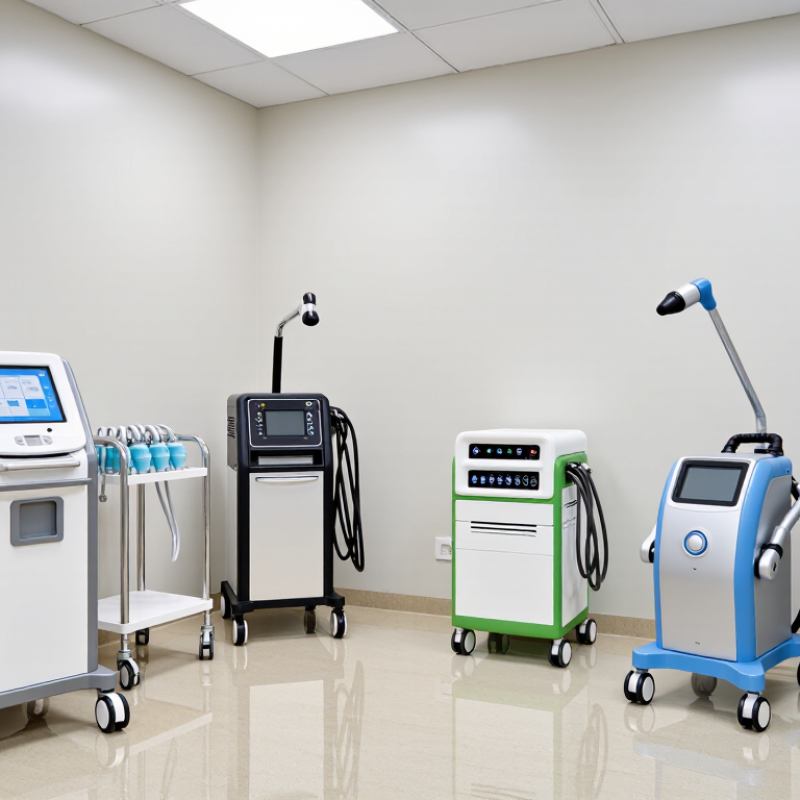
Understanding Permanent Hair Removal Machines and Their Applications
Permanent hair removal machines are designed to reduce unwanted hair by targeting follicles. Laser devices deliver a focused wavelength, while intense pulsed light (IPL) uses a broader range of light. Both rely on pigment absorbing energy, so results can vary with hair color, skin tone, and treatment settings. Neither guarantees that every hair will disappear permanently; long-term reduction is a more realistic expectation.
Applications range from the upper lip and underarms to larger areas such as legs and backs. Hair grows in cycles, so several sessions are usually needed, spaced according to professional guidance. A small test area can help assess comfort and skin response before treating a larger zone. Gray, blonde, or red hair may respond less reliably because it contains less suitable pigment. Device choice matters. So does operator training.
Tips: Check the machine’s intended skin and hair ranges, cooling method, adjustable settings, and service support. Use protective eyewear and follow the operating instructions. Do not treat irritated or recently tanned skin without qualified advice. Keep clear session records; progress may be uneven, and that can be frustrating. A careful consultation is more useful than promises of instant results.
Top Permanent Hair Removal Machines for Global Buyers - Understanding Permanent Hair Removal Machines and Their Applications
“Permanent hair removal” is often used as a general market term. Laser and intense pulsed light (IPL) treatments are generally described as providing long-term or permanent hair reduction; electrolysis can permanently remove treated follicles. Results and suitability depend on the device, operator, hair and skin characteristics, and local regulations.
| Technology or machine type | Light source or method | Common applications | Important suitability notes | Buyer considerations |
|---|---|---|---|---|
| Alexandrite laser | A 755 nm laser wavelength | Laser hair reduction on suitable skin and hair combinations; often used for larger treatment areas. | Typically most suitable for lighter skin with dark hair. Greater caution is needed with darker or recently tanned skin because of increased risk of pigment changes or burns. | Check adjustable parameters, cooling, treatment-spot options, operator training, and local device authorization. |
| Diode laser | Commonly around 800–810 nm; specifications vary by device. | Long-term hair reduction on areas such as the legs, arms, underarms, and back, when indicated for the individual. | Can be used across a range of skin types with appropriate device settings and expertise. Suitability is not guaranteed by wavelength alone. | Compare cooling performance, handpiece ergonomics, pulse controls, service availability, and documented safety training. |
| Long-pulsed Nd:YAG laser | A 1064 nm laser wavelength | Hair reduction for appropriately assessed darker skin types and selected body areas. | Often preferred over shorter-wavelength hair-removal lasers for darker skin, but treatment still requires careful assessment, suitable settings, and trained operation. | Confirm that the device supports the intended pulse durations, cooling method, and treatment protocols for the target population. |
| IPL system | Broad-spectrum, non-laser light; filters select parts of the emitted spectrum, which varies by system. | Hair reduction in professional settings or at home, depending on device classification and intended use. | Results and suitable users depend on the specific device. Many systems are less effective on very light hair and may not be appropriate for darker skin tones or tanned skin. | Review filter options, skin-tone sensors, treatment-window size, flash-life claims, user instructions, and whether the device is professional-use or home-use. |
| Electrolysis: thermolysis, galvanic, or blend | A fine probe delivers heat, electrical current, or a combination to treat individual follicles. | Individual hairs, smaller areas, and hair colors that respond poorly to light-based methods; treatment can be performed on a wide range of skin and hair colors by a trained practitioner. | Follicles are treated one at a time, so larger areas can require substantial time and multiple appointments. Outcomes depend on technique and follow-up. | Assess practitioner training, hygiene and probe protocols, current controls, service support, and suitability for the expected treatment volume. |
Global Purchasing Checklist
- Verify device registration, intended use, labeling, and import requirements in each destination market.
- Request technical specifications, safety documentation, operator training materials, and maintenance schedules.
- Confirm electrical compatibility, consumable availability, warranty terms, repair turnaround, and language support.
- Compare total cost of ownership, including installation, training, service, replacement parts, and consumables.
- Require appropriate eye protection, skin assessment, contraindication screening, and trained operation for light-based systems.