Top Pfc Capacitor Options for Global Buyers 2026
As industries worldwide continue to evolve, Pfc capacitors play a vital role in improving power factor correction in electrical systems. These capacitors ensure efficient energy use and reduce operational costs for businesses. Understanding the best options available in the market is crucial for global buyers, particularly in 2026.
Global manufacturers are innovating to meet the growing demand for reliable Pfc capacitors. Factors such as capacitance range, voltage ratings, and environmental durability significantly influence buyer choices. By evaluating these parameters, buyers can make informed decisions that enhance productivity and energy efficiency.
Despite the advancements in capacitor technology, certain challenges remain. There are varying standards across countries, which can complicate the selection process. Some options may not meet specific regional compliance standards. Hence, it is essential for buyers to conduct thorough research. This will help ensure the selected Pfc capacitor aligns with their unique operational requirements and regulatory frameworks. Maintaining a critical perspective in this selection process can lead to better investment choices.
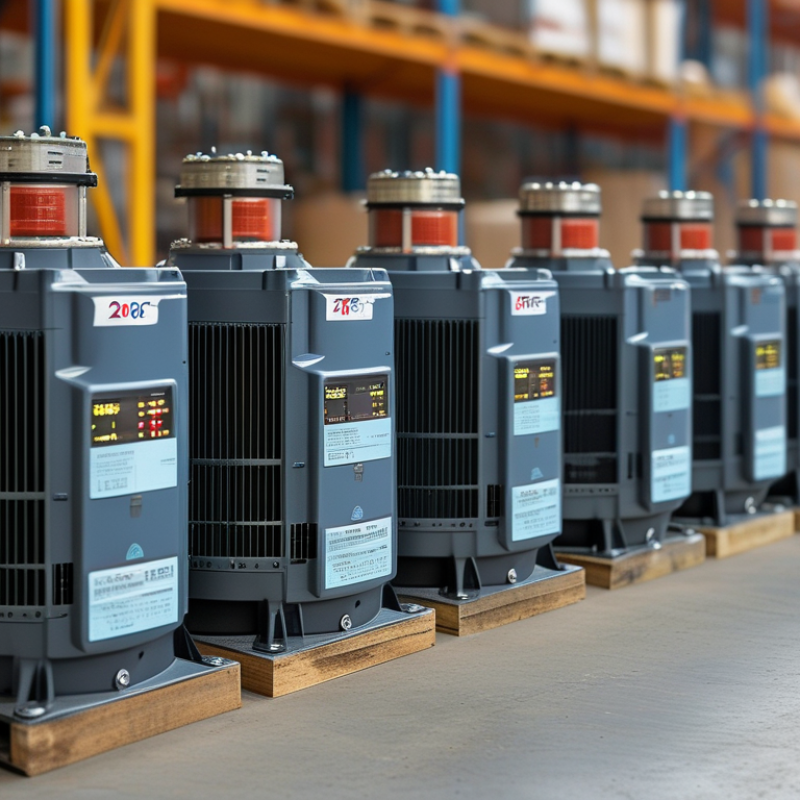
Pfc Capacitor Market Overview: Trends and Growth Projections for 2026
The PFC capacitor market is witnessing significant growth as global trends shift towards energy efficiency. In 2026, industry reports anticipate a surge in demand, particularly driven by renewable energy projects. The expanding electric vehicle market also plays a vital role in this growth. Analysts project a compound annual growth rate (CAGR) of approximately 7% through 2026.
Innovations in manufacturing processes are addressing the increasing performance demands. For instance, advancements in materials lead to higher thermal stability and efficiency. This growth is not without its challenges. Supply chain disruptions and fluctuating raw material prices often impact production. Quality control remains a critical issue, affecting many manufacturers. As companies navigate these obstacles, strategic investments in R&D are essential for staying competitive in this evolving market.
Global PFC Capacitor Market Overview 2026
This chart displays the projected growth in the PFC capacitor market for various regions by the year 2026. The Asia-Pacific region is expected to lead in market size, followed by North America and Europe.
Key Factors Driving Demand for Pfc Capacitors Globally
Power factor correction (PFC) capacitors have become increasingly important as energy demands grow. Many industries are adopting these capacitors to improve energy efficiency. The global shift towards renewable energy sources also drives the need for PFC capacitors. As companies seek to improve sustainability, the demand for these components will rise in 2026.
One key factor influencing PFC capacitor demand is energy regulation. Governments worldwide are implementing stricter energy efficiency standards. This means businesses must invest in technologies that reduce waste and optimize performance. Many industries face pressure to meet these regulations. Failure to comply can result in fines and increased operational costs.
Tips: Consider the installation environment for PFC capacitors. Different locations may have unique challenges, such as temperature variations or humidity levels. Conduct thorough assessments before making a decision. Always consult experts for insights into specific needs. This approach ensures the best performance from your investment. Also, review energy loss reports regularly. Identifying areas for improvement can enhance system reliability over time.
Top Industries Utilizing Pfc Capacitors: Applications and Market Segments
Power factor correction (PFC) capacitors play a crucial role in various industries. They enhance energy efficiency, reduce electricity costs, and improve overall system performance. The utility sector is one of the largest users of PFC capacitors. A report by Research and Markets predicts that the global power factor correction market will grow from $1.4 billion in 2021 to $2.0 billion by 2026, marking a significant increase in demand.
Manufacturing is another key industry leveraging PFC capacitors. In factories, these components help to stabilize the power supply. This is essential for machinery that operates continuously. According to a 2023 industry analysis from GlobalData, approximately 60% of manufacturing facilities now incorporate PFC solutions. This trend reflects a growing awareness of energy management techniques to minimize operational costs.
The commercial sector also increasingly utilizes PFC capacitors. Retail and office buildings benefit from reduced reactive power and improved voltage stability. A study by Frost & Sullivan shows that building owners can cut energy costs by up to 30% using PFC devices. However, it’s vital for these sectors to address potential downsides. Not all installations lead to immediate savings. Some require careful assessment, as improper sizing or application can lead to inefficiencies.
Leading Pfc Capacitor Manufacturers and Their Competitive Strategies
In the competitive landscape of power factor correction (PFC) capacitors, manufacturers employ various strategies to maintain their edge. Many focus on enhancing product efficiency while reducing costs. Innovation in materials is crucial. Companies often explore new compounds for better performance and longevity.
Customization is another important tactic. Some manufacturers offer tailored solutions to meet specific client needs. This approach helps in building long-term relationships and trust. Additionally, adopting sustainable practices can draw environmentally conscious buyers. However, not every company successfully integrates these strategies. Many still grapple with outdated processes and limited market reach.
Marketing and brand visibility also play vital roles. Some companies invest heavily in online presence. Others rely on traditional channels. Yet, it's clear that a balanced approach is necessary for reaching diverse customers. Understanding global market trends is essential but often overlooked. Manufacturers sometimes misjudge consumer preferences, leading to missed opportunities. The future will demand agility and innovation from all players in this industry.
Top Pfc Capacitor Options for Global Buyers 2026
| Manufacturer | Country | Capacity (μF) | Voltage Rating (V) | Temperature Range (°C) | Competitive Strategy |
| Manufacturer A | Germany | 100 | 400 | -40 to 85 | Cost Leadership |
| Manufacturer B | USA | 220 | 450 | -55 to 105 | Differentiation |
| Manufacturer C | China | 470 | 500 | -20 to 70 | Innovation |
| Manufacturer D | Japan | 330 | 450 | -30 to 85 | Sustainability |
| Manufacturer E | South Korea | 150 | 370 | -40 to 90 | Customer Focus |
Emerging Technologies and Innovations in Pfc Capacitor Design and Functionality
Innovation in power factor correction (PFC) capacitors is crucial for today's energy-efficient solutions. Emerging technologies are reshaping the design and functionality of these components. For instance, advanced materials like polymer films are enhancing performance while reducing size. According to research by MarketWatch, the global PFC capacitor market is projected to reach $2 billion by 2026. This growth is a testament to the rising demand for energy savings across various sectors.
Furthermore, smart capacitors are gaining traction, integrating IoT technologies. This allows for real-time monitoring and adjustment. As energy systems become more complex, such innovations are necessary. A report from ResearchAndMarkets indicates that smart PFC devices can improve efficiency by up to 30%. However, these technologies also pose challenges. There are concerns about reliability and integration with legacy systems.
Moreover, sustainability is becoming a focal point. Manufacturers are sourcing eco-friendly materials, aligning with global sustainability goals. Yet, the balance between performance and environmental impact requires careful consideration. Designers must reflect on whether current innovations can meet future energy demands effectively. This dialogue is essential for the ongoing evolution of PFC capacitors.