How to Use Polyurethane Expanding Foam Effectively?
Polyurethane Expanding Foam is a versatile material widely used in construction and home improvement projects. Its ability to fill gaps and provide insulation makes it a popular choice among DIY enthusiasts. However, to achieve the best results, users must understand its properties and application techniques.
When using Polyurethane Expanding Foam, one must prepare the surface correctly. Clean areas where the foam will be applied. Ensure they are free of dust and moisture. A clean surface allows for better adhesion and performance. Users often overlook this step, leading to unsatisfactory results.
Moreover, applying the foam correctly is crucial. Hold the canister upright and apply in short bursts. Overuse can cause messy applications. Understanding the expansion characteristics of the foam is essential. It expands rapidly, so lower is often better. Many find it challenging to control the foam, leading to unintended excess. Learning from these experiences can significantly improve future applications.
Understanding Polyurethane Expanding Foam: Composition and Types
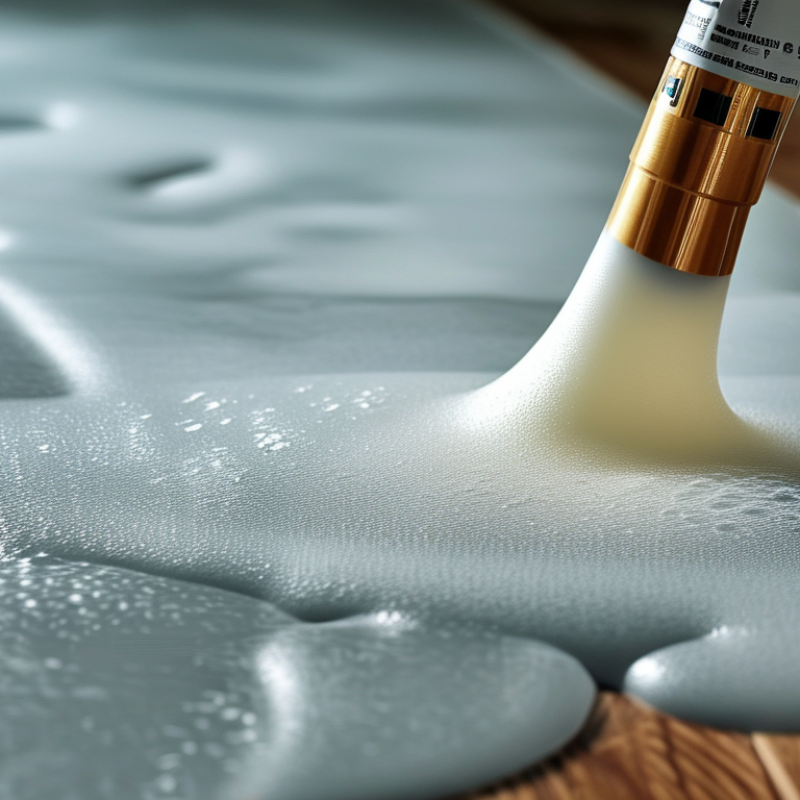
Polyurethane expanding foam is a versatile material used in various applications. Understanding its composition can enhance its effectiveness. This foam consists primarily of polyols and isocyanates. When mixed, they create a chemical reaction that leads to expansion. This property makes it ideal for insulation, sealing gaps, and even soundproofing.
There are different types of polyurethane foam available. Closed-cell foam is dense and provides high insulation values. Its compact structure makes it water-resistant. Open-cell foam, on the other hand, is softer and lighter. It absorbs sound well but is not suitable for moisture-prone areas. Knowing which type to choose can affect the durability and performance of your project.
Applying polyurethane foam can be tricky. It expands significantly, so careful application is crucial. Overflow can create a mess, requiring a lot of clean-up. Users often underestimate this expansion. It’s common to apply too much foam, leading to awkward shapes. Through experience, you’ll learn the right amount needed for each gap. Understanding the types and their proper applications can ultimately lead to successful projects.
Essential Safety Precautions When Using Polyurethane Foam
When using polyurethane expanding foam, safety is paramount. This foam can be hazardous if not handled correctly. First, ensure you're in a well-ventilated area. The fumes can be toxic and overwhelming. A face mask is essential. It protects you from inhaling harmful particles. Gloves are another must-have. They prevent skin contact, which can cause irritation.
Always wear goggles. They shield your eyes from splashes. Even a small drop can cause irritation or damage. Consider wearing long sleeves and pants. It's a simple step to protect your skin. Before starting, read the product label carefully. Understanding instructions can prevent accidents and unwanted reactions.
Disposing of leftover foam can be tricky. Avoid throwing it in regular trash. Follow your local regulations for hazardous materials. A responsible approach shows maturity and awareness. Recognizing potential risks demonstrates your commitment to safety. Take your time and ensure you are prepared. Even small oversights can lead to significant issues.
Step-by-Step Guide to Proper Application Techniques
Polyurethane expanding foam is a versatile material used in various applications. Effective use of this foam requires precise techniques. Start by ensuring the surface is clean and dry. This improves adhesion and performance. Wear gloves and safety goggles to protect yourself during application.
One tip is to shake the canister well before use. According to a report by the Building Materials Research Institute, proper mixing enhances the foam's strength by 30%. Apply foam in beads or small sections. This approach reduces excess expansion, which may cause messy results.
Allow the foam to cure fully. This can take up to 24 hours. Regular checks during this time can help you catch any issues early. If you notice uneven expansion, consider adjusting your technique for future applications. Also, remember that temperature affects curing times. Cooler conditions can slow down the process.
Overall, the key is practice. Each application may not meet your expectations initially. Review your technique after each project to improve. Embrace the learning process, and soon, you’ll achieve efficient and effective use of polyurethane foam.
Common Mistakes to Avoid When Using Expanding Foam
Using polyurethane expanding foam can be rewarding, but common mistakes can lead to problems. One frequent error is applying too much foam at once. The foam expands significantly, often exceeding the intended area. A small amount goes a long way, and overdoing it creates messy results.
Another pitfall occurs when people forget to prepare the surface. For good adhesion, surfaces should be clean and dry. Dust, oil, or moisture can affect how well the foam bonds. Applying foam on dirty surfaces leads to peeling or failure to stick.
Safety precautions are also essential. Not using protective gear can result in irritation or allergic reactions. Foam can adhere to skin and clothing quickly. It's crucial to wear gloves and goggles while working. Taking a moment to plan can prevent these mistakes and ensure a successful project.
Tips for Cleaning Up and Storing Unused Foam Products
Using polyurethane expanding foam can be a game changer for many DIY projects, but proper cleanup and storage are crucial for safety and effectiveness. After you've finished using the foam, you will often have some leftover. Managing unused foam products can be tricky. Here are some tips to make the process smoother.
Always store unused foam in a cool, dry place. High temperatures can cause the foam to expand uncontrollably, making it unusable. Consider investing in a proper storage container to minimize exposure to air and moisture. Keeping the can upright is essential. This position helps prevent the nozzle from clogging, ensuring it's ready for the next use.
Cleaning up after you've used the foam can be challenging. Use gloves to protect your hands. If foam spills occur, act quickly; it’s much easier to remove when it's still wet. Rubbing alcohol can be effective for cleaning surfaces. Test it on a small area first to avoid damage. Be careful not to let any leftover foam harden on tools or other surfaces. It can be a headache to remove later. If you find dried foam, consider using a utility knife or a scraper carefully.
Polyurethane Expanding Foam Usage and Cleanup Tips