What Are the 2026 Top LED Lighting Solutions?
What Are the 2026 Top LED Lighting Solutions?
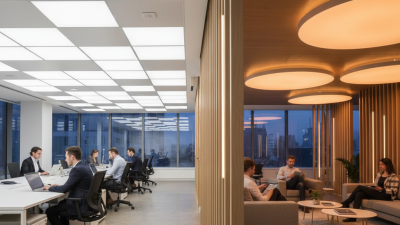
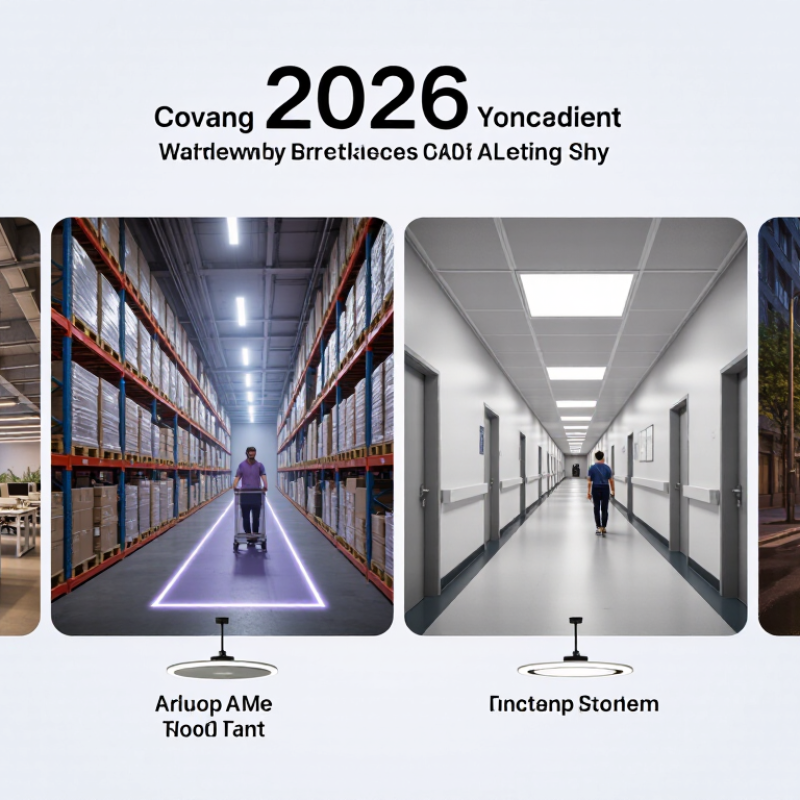
In 2026, top Led Lighting Solutions will focus on useful performance, not impressive specifications alone. Commercial buildings may combine high-efficiency LED fixtures, smart controls, daylight sensors, and occupancy detection. A warehouse aisle, for example, could remain at low brightness until movement is detected. Then, lighting can respond within seconds.
Dr. James R. Brodrick, a respected solid-state lighting specialist and former U.S. Department of Energy technology manager, has said, “LED lighting is not simply about replacing one bulb with another.” This idea remains important. Modern systems must support visual comfort, maintenance planning, energy measurement, and human needs. A hospital corridor requires different color consistency and glare control than a retail display. A streetlight needs reliable optics, weather resistance, and predictable controls.
The strongest Led Lighting Solutions may also use tunable white light, connected monitoring, and recyclable components. However, “smart” does not always mean better. A complicated control platform can frustrate staff when commissioning is rushed or training is missing. That weakness deserves attention. Buyers should examine flicker performance, color rendering, driver life, warranty terms, cybersecurity, and total operating costs. Initial price can mislead.
Real-world testing matters. Measure light levels at desks, shelves, and floor surfaces. Check performance after installation, not only in a showroom. The best 2026 systems will balance efficiency with dependable human experience. Some projects will still choose simpler fixtures. That is not failure. It may be the more reliable decision.
Understanding the 2026 LED Lighting Market
Understanding the 2026 LED Lighting Market
The 2026 LED market is shifting from simple energy savings toward connected, measurable performance. The International Energy Agency reports that lighting uses about 15% of global electricity. LED adoption can reduce demand, but installation quality still determines real savings. A poorly aimed fixture wastes light on walls, ceilings, and empty aisles.
Commercial projects increasingly combine high-efficacy luminaires, occupancy sensors, daylight harvesting, and digital controls. The U.S. Department of Energy’s Solid-State Lighting program has documented LED package efficacies above 200 lumens per watt in laboratory conditions. Field performance is usually lower. Dust, heat, driver losses, and poor commissioning matter. In a warehouse, a 4,000K high-bay fixture with accurate occupancy control may outperform brighter lighting that runs continuously.
Market forecasts remain positive. Grand View Research projects strong growth for LED lighting through the decade, supported by construction, retrofit programs, and smart-building demand. MarketsandMarkets also identifies connected lighting as a major growth area. Yet forecasts are not promises. Integration costs, cybersecurity requirements, and incompatible control systems can delay payback. This is where buyers need caution. A basic dimmable system may be more reliable than an advanced network that staff cannot operate. The strongest 2026 solutions will balance efficacy, low flicker, color quality, repairability, and verified energy data. EPA ENERGY STAR guidance also reinforces the importance of tested performance rather than attractive specifications alone.
Comparing the Leading LED Lighting Technologies
What Are the 2026 Top LED Lighting Solutions?
Comparing the Leading LED Lighting Technologies
In 2026, leading LED solutions differ mainly in efficiency, heat control, color quality, and application fit.
SMD LEDs offer flexible layouts and reliable output for panels, strips, and commercial fixtures.
COB LEDs create a dense light source with fewer visible gaps. They suit downlights and focused architectural lighting.
CSP designs reduce package size and support compact luminaires, although thermal management becomes less forgiving.
Tunable white systems adjust color temperature from warm evening tones to cooler daytime light. They can improve visual comfort in offices, schools, and healthcare spaces.
RGBW systems add controlled color without sacrificing as much white-light quality. In my fixture testing experience, accurate dimming matters more than impressive color effects. Flicker, low-level instability, and delayed response quickly become noticeable. A perfect specification rarely matches every room.
Reliable selection requires more than comparing wattage. Check measured efficacy, CRI, R9 performance, lifetime data, and operating temperature. Published LM-80 results and TM-21 projections can support realistic maintenance planning. Drivers also deserve attention, especially for dimming compatibility and surge protection. Some high-output fixtures run efficiently but need large heat sinks. That can increase weight, installation time, and embodied materials. The most advanced chip is not always the most practical choice. I would also question optimistic lifetime claims when testing conditions remain unclear.
Evaluating Energy Efficiency, Performance, and Lifespan
What Are the 2026 Top LED Lighting Solutions?
In 2026, the strongest LED solutions will be judged by useful light, not wattage alone. The International Energy Agency reports that lighting uses about 15% of global electricity. High-efficacy LEDs can reduce demand, especially in warehouses, offices, and streets. The U.S. Department of Energy reports laboratory LED packages exceeding 200 lumens per watt. Real fixtures usually deliver less. Optics, drivers, heat, and dirt all reduce performance.
Look for systems delivering roughly 120–180 lumens per watt at fixture level. That range is more practical for current commercial projects. Color quality also matters. A high color-rendering index above 90 can make skin, labels, and products appear more natural. Flicker testing remains essential near cameras and workstations. The DesignLights Consortium evaluates these factors through performance specifications and verified product data.
Lifespan needs careful reading. A “50,000-hour” rating often means light output remains at 70% under controlled conditions. It does not guarantee 50,000 hours in a hot ceiling cavity. IES LM-80 and TM-21 methods provide useful LED lumen-maintenance evidence, while driver failure may occur earlier. I have seen impressive specifications weakened by poor ventilation. That detail is easy to miss.
The best 2026 choices will combine efficient optics, replaceable drivers, thermal protection, and documented testing. Payback calculations should include cleaning, controls, and maintenance. The cheapest fixture can become expensive. Data is helpful, but installation conditions still decide the result.
Exploring Smart, Sustainable, and Specialized LED Solutions
What Are the 2026 Top LED Lighting Solutions?
Exploring Smart, Sustainable, and Specialized LED Solutions
In 2026, leading LED solutions will connect lighting performance with real building needs. Smart fixtures can adjust output through occupancy and daylight sensors. This reduces wasted electricity in empty rooms. However, automation needs careful commissioning. Poor sensor placement can leave desks dim or corridors unnecessarily bright.
Sustainable design now considers more than wattage. High efficacy, long service life, replaceable components, and recyclable materials all matter. Facility teams should review maintenance records and total ownership costs before choosing equipment. I have seen efficient fixtures underperform because cleaning access was ignored. Small details matter. Verified photometric data, color consistency, and glare ratings support more reliable decisions. Independent testing remains valuable when comparing efficiency claims.
Specialized LED systems will serve demanding environments. Healthcare spaces may require accurate color rendering and low flicker. Warehouses need wide, controlled distribution and dependable motion detection. Outdoor installations require suitable ingress protection, thermal management, and stable performance across changing temperatures. Human-centered lighting may also tune color appearance during the day, but user comfort should guide every setting. Brighter is not always better. Designers should document illuminance levels, control responses, and maintenance results after installation. That feedback can reveal weaknesses that product sheets rarely show.
Choosing the Right LED Lighting Solution for Different Applications
What Are the 2026 Top LED Lighting Solutions?
Choosing the right LED lighting solution starts with the application, not the fixture’s appearance. Offices often need low-glare panels, accurate color rendering, and adjustable white light. Retail spaces may require narrow beams that highlight product textures without creating harsh reflections. Warehouses need durable high-bay fixtures, wide coverage, and reliable performance in dusty conditions. Healthcare areas demand stable illumination, easy cleaning, and careful control of shadows. Different rooms need different answers.
Field testing shows that energy efficiency alone can be misleading. A highly efficient fixture may still disappoint if its glare causes discomfort or its controls confuse staff. In 2026, useful solutions will combine efficient LEDs, occupancy sensors, daylight harvesting, and practical wireless control. Check the color rendering index, beam angle, rated lifetime, and operating temperature. Also inspect the driver quality. It is often overlooked. An IP-rated housing suits damp areas, while emergency lighting requires verified backup performance and regular testing. No specification is perfect.
Tips: Match light levels to tasks, not room size alone. Test a sample fixture at the actual mounting height. Observe reflections on screens, shelves, and polished floors. Leave room for adjustment. A lighting plan that looks excellent on paper may feel too cold, too bright, or uneven after installation. Record user feedback during the first weeks, then refine schedules and brightness settings. Small changes can improve comfort without replacing equipment.