What Is a Hydrocell Golf Cart Battery?
A Hydrocell Golf Cart Battery is a term shoppers may encounter when comparing replacement power for an electric golf cart. The name alone does not confirm its chemistry, voltage, or maintenance needs. Those details can vary by product, so the battery label and manufacturer’s specifications matter more than the wording on a sales page.
Small details count. A battery must match the cart’s required voltage and fit its tray, cables, and charging system. Capacity, often listed in amp-hours, can affect how far the cart travels between charges. Chemistry also matters: lead-acid and lithium batteries have different charging requirements, care routines, and costs. Never assume a charger is compatible just because its plug fits.
This guide explains what the term may mean and which specifications to check before buying. It also looks at charging, upkeep, expected performance, and common replacement mistakes. For example, a cart that slows on a familiar hill may need more than a new battery; worn connections or an unsuitable charger can also play a part. A little diagnosis helps.
There is no universal answer for every cart. Check the owner’s manual, compare the battery’s full data sheet, and ask a qualified dealer when specifications are unclear. That step can prevent an expensive mismatch. It may feel tedious, but guessing is worse.
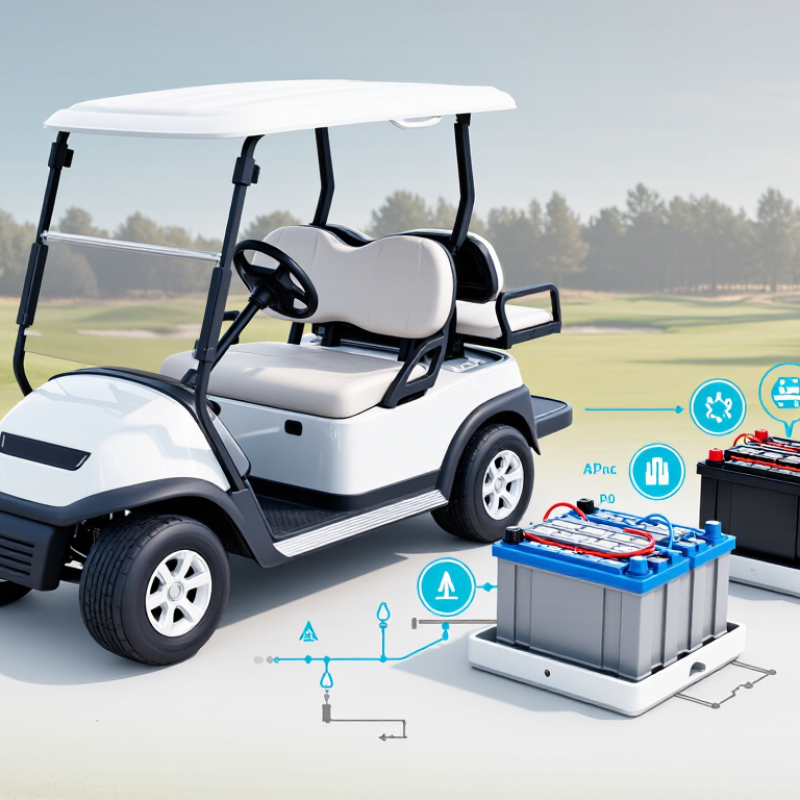
What Defines a Hydrocell Golf Cart Battery?
A hydrocell golf cart battery is generally a deep-cycle lead-acid battery with liquid electrolyte inside its cells. That electrolyte helps chemical reactions store and release power. The battery is designed to provide steady energy over a longer period, rather than a brief burst of starting power. In a golf cart, this supports repeated trips across a course or neighborhood.
What defines a hydrocell battery is its liquid-filled cell design and the care it may require. In serviceable models, water levels need checking, and only distilled water should be added when the manufacturer’s instructions call for it. Low electrolyte can expose internal plates and shorten battery life. The term “hydrocell” is not used consistently, though, so check the battery label and manual before assuming its chemistry or maintenance needs. A small detail, but an important one.
Tips: Keep terminals clean and dry. Charge the battery after use, and inspect it in good light. Do not guess about water levels; follow the manual. Even careful owners miss things sometimes.
What Is a Hydrocell Golf Cart Battery? — What Defines a Hydrocell Golf Cart Battery?
| Dimension | What It Means | Typical Characteristics |
| Term and battery type | “Hydrocell” is not a universally standardized battery chemistry name. In golf-cart discussions, it often refers to a flooded lead-acid battery with liquid electrolyte. | Check the battery’s specification label to confirm its chemistry and maintenance requirements. |
| Electrochemistry | Lead plates react with an electrolyte made primarily of sulfuric acid and water to store and deliver electrical energy. | Designed for repeated charging and discharging when used as a deep-cycle battery. |
| Electrolyte and vents | The electrolyte is liquid and the case is vented so gases produced during charging can escape. | Requires suitable ventilation and careful handling; the electrolyte is corrosive. |
| Nominal voltage | Individual deep-cycle lead-acid batteries commonly have a nominal rating of 6, 8, or 12 volts. | Multiple batteries are connected in series to provide the voltage required by the cart. |
| Cart battery-bank voltage | Golf-cart electrical systems commonly use 36- or 48-volt battery banks. | The number and voltage of individual batteries depend on the cart’s system design. |
| Capacity | Capacity is usually stated in amp-hours (Ah) at a specified discharge rate, often the 20-hour rate. | Capacity varies by battery size and design; compare ratings measured at the same rate. |
| Watering and maintenance | Water may be lost during charging, so electrolyte levels need periodic inspection. | When required, add distilled water according to the battery instructions. Do not overfill, and never add water to a sealed battery. |
| Charging | Charging must follow the battery’s voltage and charging specifications. | Use a compatible charger and avoid prolonged undercharging or overcharging, which can shorten battery life. |
| State-of-charge checks | Voltage can provide an estimate of charge, while electrolyte specific gravity can help assess individual cells in serviceable flooded batteries. | Readings depend on temperature and battery condition; use the battery maker’s procedures and suitable safety equipment. |
| Advantages | Flooded deep-cycle batteries are a well-established option for golf carts. | They are rechargeable and serviceable, but require more routine care than sealed battery types. |
| Safety and installation | Charging can release hydrogen gas, and battery acid can cause burns or damage. | Keep the area ventilated, avoid sparks and flames, wear appropriate eye and hand protection, and secure batteries upright. |
In short: A “hydrocell” golf-cart battery usually means a flooded, liquid-electrolyte lead-acid deep-cycle battery, but the term can vary. Confirm the chemistry, voltage, capacity, and maintenance instructions on the battery label before selecting or servicing one.
How Its Internal Components Store and Deliver Power
A hydrocell golf cart battery stores energy in chemical form. In a typical liquid-electrolyte lead-acid design, each cell contains positive and negative lead plates. The plates sit in an electrolyte made from sulfuric acid and water. Porous separators keep them apart while allowing ions to move. That separation matters.
When the cart is switched on, electrons travel from the battery through cables and the motor. Inside each cell, chemical reactions maintain that flow. Several cells are connected to provide the voltage a cart needs. The battery’s capacity depends on its design and condition, not just its size. A quick look at the casing cannot reveal everything.
Charging reverses the discharge reaction and restores the plates’ chemical state. In vented designs, some water can be lost during charging, so owners should follow the manual’s inspection and refill instructions. The term “hydrocell” may describe different constructions, so check the battery label before assuming it has accessible liquid. I used to think the electrolyte did most of the work; the plates and their condition are just as important. Dust, loose connections, and corrosion around the terminals can also reduce power delivery.
How a Hydrocell Battery Differs from Other Golf Cart Batteries
A Hydrocell golf cart battery is a deep-cycle battery described by a term that does not identify one universal chemistry. Check the specification sheet before assuming it is flooded lead-acid, sealed lead-acid, or lithium. Chemistry determines charging limits, maintenance needs, weight, and expected service life.
Compared with a conventional flooded lead-acid battery, a liquid-electrolyte Hydrocell model may need periodic fluid checks and careful charging. Some designs are sealed and require no water top-ups. That difference matters in a cart shed: removable caps and level marks offer clues, but the manual is decisive. AGM and gel batteries also use lead-acid chemistry, yet their electrolyte is absorbed or immobilized. Lithium batteries use different chemistry and typically include a battery management system.
For a useful comparison, check usable capacity, voltage, cycle-life rating, charge time, and weight—not just the Hydrocell label. A heavier battery can affect handling, while an incompatible charger can shorten service life. Ask for the recommended charge profile and maintenance schedule. Small details matter. Published cycle-life figures also depend on discharge depth, temperature, and charging habits, so treat them as test conditions, not guarantees.
What Affects Its Performance and Service Life
What Is a Hydrocell Golf Cart Battery?
What Affects Its Performance and Service Life
A Hydrocell golf cart battery is generally a deep-cycle battery that stores energy in a liquid electrolyte. Its performance depends on how well it supplies steady power during repeated starts, climbs, and long rides. Battery capacity, cart weight, terrain, and driving habits all matter. Steep hills and frequent acceleration draw more energy than smooth, level routes.
Charging habits have a major effect on service life. Recharge the battery after use, and avoid leaving it deeply discharged for long periods. For serviceable models, check electrolyte levels and use distilled water when needed; never fill above the recommended mark. Keep terminals clean and connections snug. Corrosion or a loose cable can cause sluggish starts and uneven charging. Small details matter.
Temperature also plays a part. Heat can speed battery wear, while cold weather may reduce the power available for a trip. Store and charge the battery in a dry, ventilated area, following its instructions. A weakening battery may take longer to charge or lose range sooner than expected. That clue is useful, though it is not a diagnosis. Load testing can help distinguish battery wear from a charging-system problem. Real service life varies, and even careful maintenance cannot prevent every failure.
How to Charge and Maintain a Hydrocell Battery
What Is a Hydrocell Golf Cart Battery?
How to Charge and Maintain a Hydrocell Battery
“Hydrocell” may describe a product design, not a universal battery chemistry, so check the label before charging. Match the charger to the battery’s voltage and chemistry, then follow its manual. Park on a dry, ventilated surface and inspect cables for fraying or corrosion. Start charging after use rather than leaving the pack partly discharged for long periods. The easy mistake is rushing.
For context, the U.S. Department of Energy’s 2022 Grid Energy Storage Technology Cost and Performance Assessment gives lead-acid systems a typical round-trip efficiency of about 70–80%. That grid-scale figure is not a Hydrocell-specific test, but it shows why charging losses matter. Use the charger’s full cycle, and avoid interrupting it repeatedly. If the battery is flooded lead-acid, check electrolyte levels as directed and use distilled water only; never open a sealed unit. Keep vents clear. Small habits matter.
Tips: Check the charger display after plugging in, and let the battery cool before charging if it feels warm. Store it charged, keep terminals clean and dry, and arrange periodic checks if the cart sits unused. I would still verify the manual before adding water; battery designs differ.
What Is a Hydrocell Golf Cart Battery? How to Charge and Maintain It
Typical charging-voltage ranges for a conventional flooded 6-volt lead-acid golf cart battery are shown below. Values vary by battery design, charger, and temperature.
Use a charger compatible with your battery’s voltage and type. For flooded batteries, check electrolyte levels regularly and add distilled water after charging when needed; keep plates covered without overfilling.